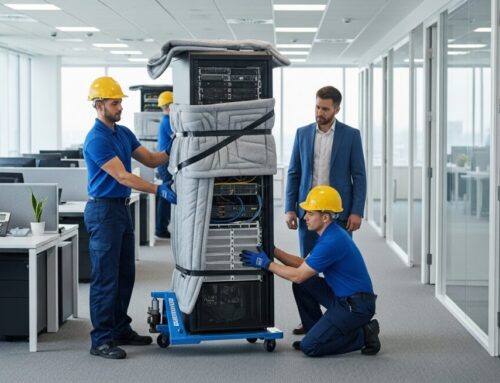
Selecting Warehouse Moving Companies for Commercial Relocation

Moving a warehouse is a high-stakes operation that involves heavy machinery, dense inventory, and tight timelines. Unlike a household move, a commercial relocation demands specialized logistics, strict safety protocols, and minimal downtime. Choosing the right warehouse moving companies for commercial relocation requires a methodical approach that goes beyond comparing price quotes. This article provides a structured framework for evaluating moving partners, planning the transition, and executing a seamless warehouse move that protects assets and keeps your business operational.
Understanding the Scope of a Warehouse Move
A warehouse relocation is not simply a larger version of a residential move. It involves palletized goods, racking systems, forklifts, and often sensitive equipment that requires dismantling and reassembly. The complexity increases when inventory is spread across multiple zones, temperature-controlled areas, or hazardous material sections. Warehouse moving companies for commercial relocation must coordinate with facility managers, IT teams, and logistics coordinators to ensure every item is accounted for and placed correctly in the new space.
Many businesses underestimate the time required for a full warehouse relocation. A typical move can take several days to weeks, depending on the volume of goods and the distance between facilities. The best commercial moving services offer pre-move consultations to assess the layout, inventory density, and any special handling needs. They also create a timeline that aligns with your business cycles, such as avoiding peak shipping periods or scheduling the move over a holiday weekend to reduce operational disruption.
Another critical factor is the structural differences between the old and new warehouse. Ceiling height, column spacing, dock door locations, and floor load capacity all affect how racking and equipment can be arranged. Professional warehouse moving companies for commercial relocation evaluate these factors during the planning phase to avoid costly mistakes during the actual move.
Key Services Offered by Specialized Movers
Not all moving companies are equipped to handle the demands of a commercial warehouse. The following services distinguish specialized warehouse moving companies for commercial relocation from general movers:
- Industrial Rigging and Heavy Equipment Transport: Moving large machinery like forklifts, conveyors, and industrial presses requires specialized rigging equipment, flatbed trucks, and certified operators.
- Inventory Management and Barcode Tracking: Professional movers use digital tracking systems to log every pallet, carton, or piece of equipment, providing real-time visibility throughout the move.
- Racking Dismantling and Reinstallation: Bolted and structural racking systems must be taken apart, labeled, and reassembled to exact specifications in the new facility.
- Hazardous Material Handling: Warehouses storing chemicals, flammable goods, or other dangerous materials require movers with OSHA and DOT compliance training.
- Temporary Storage Solutions: When the new facility is not ready, or when inventory needs to be staged, climate-controlled storage units provide a secure intermediate solution.
These services are often bundled into a comprehensive relocation package. However, some businesses may only need partial assistance, such as moving heavy machinery while handling inventory internally. The best warehouse moving companies for commercial relocation offer modular service options that can be customized to fit your specific needs and budget.
How to Evaluate and Select a Moving Partner
Selecting the right mover begins with a request for proposal (RFP) that outlines your inventory volume, equipment list, timeline, and any special requirements. At least three warehouse moving companies for commercial relocation should be invited to conduct an onsite walkthrough. During this visit, the moving company’s estimator will assess the scope of work and provide a detailed quote.
When evaluating quotes, look beyond the bottom line. A low estimate may indicate that the mover has omitted critical services such as packing supplies, travel time, or liability coverage. Request a line-item breakdown that includes labor hours, equipment rental, transportation, insurance, and any potential surcharges for stairs, long carries, or after-hours work. Commercial moving services often include a guaranteed price clause that protects you from surprise charges as long as the scope does not change.
Check references from businesses similar to yours in size and industry. Ask about the mover’s punctuality, damage rates, and responsiveness during the move. A reputable company will provide testimonials, case studies, and even arrange a call with a past client. Additionally, verify that the mover carries adequate insurance, including cargo liability and general liability, to cover potential damage to goods or property.
Questions to Ask During Interviews
Prepare a list of questions to ask each candidate. Inquire about their experience with warehouse moves specifically, rather than general commercial relocations. Ask how they handle inventory discrepancies, what protocols they have for fragile or high-value items, and how they communicate progress during the move. The answers will reveal whether the mover has the systems and discipline needed for a complex project.
Another important consideration is the moving company’s capacity to handle your timeline. Some warehouse moving companies for commercial relocation operate with a small fleet and may not have the bandwidth to complete a large move in a single weekend. Confirm that they have sufficient labor and equipment to meet your schedule without causing delays to your operations.
Planning and Preparation Steps
A successful warehouse relocation requires detailed planning that begins weeks or months before moving day. Start by conducting a full inventory audit. Tag every item with a unique identifier and record its location in the current facility. This audit serves as the baseline for the moving company’s tracking system and helps identify items that can be discarded, donated, or sold before the move.
Next, create a floor plan for the new warehouse. Work with your operations team to determine where each rack section, machine, and work station will be placed. Share this plan with the moving company so they can stage equipment and prioritize unloading in the correct order. A well-organized floor plan reduces rework and gets your warehouse operational faster.
Communicate the move schedule to all stakeholders, including employees, suppliers, and customers. If the move will cause a temporary shutdown, notify clients in advance and adjust delivery commitments. For businesses that cannot afford any downtime, consider a phased move where non-essential inventory and equipment are relocated first, followed by critical operations during a short window.
In our guide on commercial relocation services for businesses, we explain how to coordinate multiple moving parts without losing productivity.

Executing the Move Day Operations
On moving day, the warehouse moving companies for commercial relocation will arrive with a team that includes a project manager, crew leads, and specialized technicians. The project manager acts as your single point of contact and oversees all activities, from loading to transportation to unloading. A pre-move briefing should be held to review the schedule, safety protocols, and communication channels.
Inventory is loaded according to the unloading plan. Items that need to go to the far end of the new warehouse are loaded first, while items needed immediately are loaded last. This staging strategy prevents double handling and reduces the time required to set up the new facility. Professional commercial moving services use color-coded labels and zone maps to ensure each pallet lands in its designated location.
Throughout the move, the project manager provides regular updates, including photos of loading progress and any incidents that arise. If damage occurs, it is documented immediately and reported to the client. A good mover will have a claims process that is transparent and efficient, minimizing friction if issues arise.
Post-Move Setup and Inspection
After all items are unloaded, the moving team assists with reassembly of racking, reconnection of equipment, and placement of inventory. This phase is just as important as the loading phase because it determines how quickly your warehouse can resume normal operations. Warehouse moving companies for commercial relocation should provide a final walkthrough to confirm that everything is where it should be and that no items are missing.
Conduct a post-move inspection with your team and the project manager. Verify that all equipment is functioning, that no damage occurred during transit, and that the inventory count matches the pre-move audit. If discrepancies exist, address them immediately while the moving team is still on site.
Finally, update your internal records with the new warehouse layout and location data. This information is vital for inventory management systems, safety inspections, and future moves. A well-documented post-move process also helps your team settle in faster and reduces the learning curve for new warehouse staff.
For businesses that handle specialized items such as medical supplies or high-value electronics, consider services like those offered by Doctors Home for expert handling of sensitive equipment during relocation.
Frequently Asked Questions
How far in advance should I book warehouse moving companies for commercial relocation?
Book at least 4 to 6 weeks before your target move date. For large or complex moves, 8 to 12 weeks is recommended to allow time for planning, site surveys, and scheduling.
Can I move inventory myself while hiring movers for equipment?
Yes. Many warehouse moving companies for commercial relocation offer partial service packages. You can move palletized goods internally while hiring professionals for heavy machinery, racking, and sensitive items.
What insurance coverage do I need for a warehouse move?
At minimum, the moving company should carry cargo liability insurance covering the value of your goods. You may also need general liability and workers’ compensation coverage. Consult your insurance broker to determine if additional coverage is required for high-value inventory.
Will the moving company dismantle and reassemble my racking systems?
Most specialized warehouse moving companies for commercial relocation include racking dismantling and reinstallation as part of their service. Confirm this in the contract, as some movers subcontract racking work to third parties.
How do I minimize downtime during the move?
Plan the move during off-peak hours or over a weekend. Use a phased approach to relocate non-critical items first, and keep essential operations running until the last possible moment. Communicate with customers and suppliers to manage expectations.
Choosing the right warehouse moving companies for commercial relocation is an investment in your business continuity and operational efficiency. By evaluating movers based on their specialized services, references, and planning capabilities, you can execute a move that protects your assets and gets your warehouse back to full productivity with minimal disruption. A well-planned relocation not only safeguards your inventory but also sets the stage for improved workflows and growth in your new facility.