Self Pack Moving Companies Pros and Cons: A Guide

You have decided to handle the packing yourself to save money, but you still want a moving truck and a crew to load everything. This hybrid approach is offered by self pack moving companies, and it sits between a full service move and a DIY rental truck. Understanding the self pack moving companies pros and cons can help you decide if this option is right for your upcoming relocation.
Many people assume that hiring movers means paying for a full service package that includes packing, loading, transport, and unloading. However, the moving industry has evolved to offer flexible tiers. Self pack moving companies provide the labor for the heavy lifting and driving while leaving the detailed packing work to you. This arrangement appeals to budget-conscious families who want professional muscle without paying for packing materials and labor. Before you book, it is essential to weigh the trade-offs carefully.
What Exactly Are Self Pack Moving Companies?
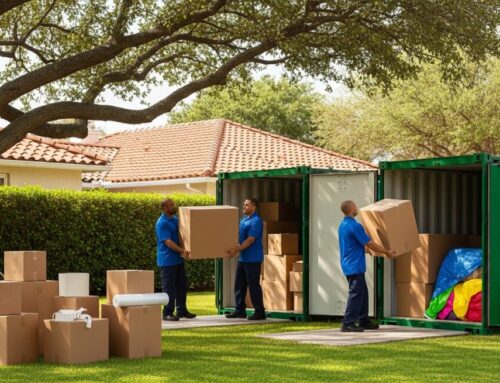
A self pack moving company sends a truck and a professional crew to your home, but you are responsible for boxing up all your belongings. The movers handle loading the boxes and furniture onto the truck, securing the load, driving to your new home, and unloading everything. Some companies also offer partial services, such as providing packing supplies or offering to pack fragile items for an additional fee. This is a middle ground between a full service move and a rental truck where you do everything alone.
These services are especially popular for local moves and short-distance relocations where the risk of damage during transit is lower. However, many long-distance moving companies also offer self pack options. The key distinction is that you are not paying for the packing labor, which can reduce your overall moving cost by 20 to 40 percent compared to a full service move. For families on a tight budget, this saving can be significant.
When you compare self pack moving companies to full moving service providers, the difference is clear. Full service movers send a team that does everything from wrapping dishes to disassembling furniture. With a self pack option, you retain control over how items are packed, which materials are used, and the timeline for packing. This can be a comfort if you have specific organizational preferences or sentimental items you want to handle personally.
The Pros of Choosing Self Pack Moving Companies
The most obvious advantage is cost savings. By eliminating the packing labor from your moving quote, you can redirect that money toward other expenses like security deposits, utility setup fees, or new furniture. For a typical three-bedroom home, full service packing can add $1,000 to $2,500 or more to the bill. Self packing cuts that expense entirely.
Another major benefit is control. You can pack at your own pace over several days or weeks, ensuring each box is properly labeled and organized. You decide which items go together, what to donate, and what needs special protection. This reduces the anxiety of strangers handling your most fragile keepsakes. You also know exactly how your belongings are packed, which can provide peace of mind.
Flexibility with materials is another pro. You can source free boxes from local stores, use suitcases and bins you already own, and avoid paying premium prices for moving company boxes. This further reduces your out-of-pocket costs. Additionally, you can pack items you consider high-value or irreplaceable yourself, ensuring they are handled with extra care.
Finally, self pack moves often have more flexible scheduling. Because the moving company is only providing the truck and loading crew, they may have more availability than full service teams. This can be helpful during peak moving season when full service movers are booked weeks in advance.
The Cons of Choosing Self Pack Moving Companies
The biggest downside is the physical and time commitment required from you. Packing an entire household is a massive task that can take weeks. Underestimating the time needed is a common mistake. You will need to source boxes, tape, bubble wrap, markers, and labels. You will also need to disassemble furniture, drain appliances, and prepare specialty items like televisions and artwork. If you have a full-time job or children, finding the hours to pack can be exhausting.
There is also the risk of inadequate packing leading to damage. Professional movers are trained to wrap items securely and use the right materials. When you pack yourself, you might use too little padding or stack heavy items on top of fragile ones. If something breaks during transit, the moving company may deny the claim because they did not pack the item. Most self pack moving contracts include a clause that limits the company’s liability for items they did not pack. This means your homeowner’s insurance or a separate moving insurance policy may be your only recourse.
Another con is the potential for hidden fees. Some self pack moving companies charge extra for stairs, long carries, bulky items, or if your boxes are not properly sealed. You might also face additional charges if the crew has to wait while you finish packing. It is critical to read the fine print and ask about all potential fees before signing a contract.
Finally, you sacrifice the convenience of a full service move. Instead of relaxing while professionals handle everything, you will be tired, stressed, and potentially rushed. If you are moving long distance and the truck arrives at your new home before you finish packing, you could face delays or extra storage fees.
How to Decide Between Self Pack and Full Service Moving
Your decision should hinge on three factors: budget, time, and temperament. If you have a tight budget but a flexible schedule and a willingness to work hard, self pack moving companies are an excellent choice. You save money while still getting professional loading and driving. If you have a generous budget, a busy schedule, or a low tolerance for stress, a full moving service is likely worth the extra cost.

Consider the distance of your move. For local moves, the risk of damage from self packing is lower because the items are in transit for a shorter time. For cross-country moves, the vibration and handling are more intense, and professional packing may be worth the investment. Also consider the value of your belongings. If you own expensive antiques, artwork, or electronics, professional packing provides better protection and insurance coverage.
Another factor is your physical ability. Packing requires lifting, bending, climbing stairs, and carrying boxes. If you have health limitations or a large home, the physical toll may outweigh the savings. You can also use a hybrid approach: pack the easy items yourself and hire the moving company to pack the kitchen, fragile items, or specialty pieces. Many companies offer partial packing services that allow you to customize the level of help.
Tips for a Successful Self Pack Move
If you decide to go with a self pack moving company, preparation is key to avoiding problems. Start packing as early as possible. Begin with rooms you use least, such as guest rooms, storage areas, and seasonal clothing. Aim to have at least 90 percent of your items packed before moving day. The crew should only need to load boxes and furniture, not wait for you to finish wrapping dishes.
Use quality packing materials. Invest in sturdy boxes, bubble wrap, packing paper, and strong tape. Avoid overloading boxes; keep them under 50 pounds each. Label every box clearly with its contents and destination room. This will speed up unloading and help you find essentials quickly. Create an inventory list with photos of valuable items for insurance purposes.
Communicate with your moving company ahead of time. Ask about their policies on box weight limits, labeling requirements, and any items they will not load. Confirm whether they provide blankets and straps for furniture protection or if you need to supply your own. Get written estimates and clarify what is included in the price. For more details on what movers typically expect, you can read our guide on whether moving companies pack your belongings.
Finally, prepare a “first night” box with essentials: toiletries, a change of clothes, medications, phone chargers, snacks, and important documents. Keep this box with you in your car so it is not lost among the loaded items. This small step can make your first night in the new home much more comfortable.
Frequently Asked Questions
Are self pack moving companies cheaper than full service movers?
Yes, typically by 20 to 40 percent. You save the cost of packing labor and materials. However, you must factor in your time, the cost of buying boxes and supplies, and the potential for damage claims if your packing is insufficient.
Will the moving company provide packing supplies?
Some self pack moving companies sell packing supplies separately. Others expect you to supply your own boxes and materials. Ask when you request a quote. You can also buy boxes from hardware stores, online retailers, or free from local businesses.
What happens if I am not finished packing when the movers arrive?
Most companies charge an hourly waiting fee if the crew has to wait for you to finish packing. To avoid this, set a firm deadline and stick to it. If you are running behind, consider hiring a task rabbit or asking a friend to help you finish.
Does the moving company insure items I packed myself?
Coverage is limited. Most moving companies offer basic liability coverage that is very low (often 60 cents per pound per item). This does not adequately cover a broken plate or a damaged television. You should purchase additional moving insurance or check your homeowner’s policy for coverage during a move.
Can I pack everything myself, including furniture?
You pack the boxes, but the movers usually handle furniture disassembly and reassembly. Confirm this with your company. Some self pack services include furniture disassembly, while others charge extra or expect you to do it yourself.
Making the Right Choice for Your Move
Self pack moving companies offer a valuable middle path that balances cost and convenience. For many families, the savings are worth the extra effort. By packing your own belongings, you keep more money in your pocket and maintain control over how your items are handled. However, the trade-off is your time, energy, and increased responsibility for damage prevention.
Before committing, get quotes from at least three companies and compare their terms. Ask about their claims process for customer-packed boxes and whether they offer partial packing services. Weigh the self pack moving companies pros and cons against your personal circumstances. A successful move is not just about the destination; it is about the journey and the peace of mind you feel along the way. If you have the stamina and the schedule to pack thoroughly, self pack moving can be a smart, budget-friendly solution. If the thought of boxing your entire home fills you with dread, a full moving service may be the better investment. Either way, the goal is to start your new chapter with less stress and more confidence. Learn more