Moving Container Costs Complete Pricing Guide
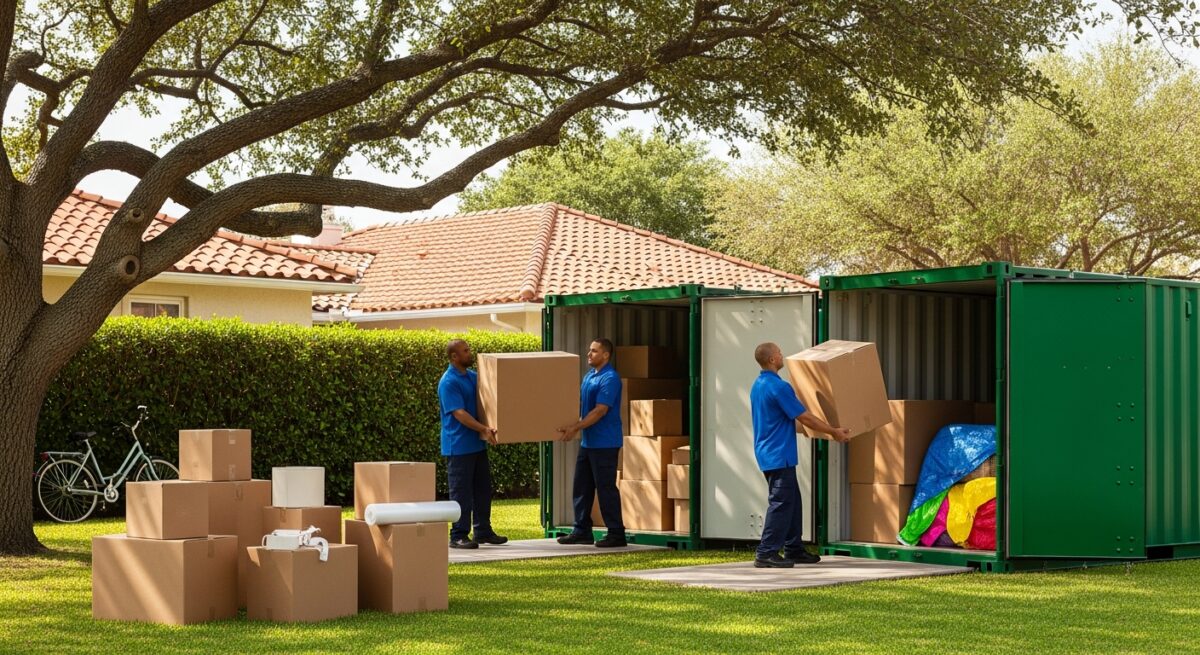
Planning a move often brings the question of how to transport belongings without breaking the bank. Portable moving containers offer a flexible middle ground between full-service movers and a DIY truck rental, but their pricing can feel like a puzzle. This guide breaks down every factor that influences moving container costs, from rental duration to delivery fees, so you can budget with confidence and avoid surprise charges. Whether you are considering upack moving cost or pack rat storage cost, understanding the full picture helps you choose the right container size and service level for your specific move.
How Moving Container Pricing Works
Unlike traditional moving companies that charge by the hour or by weight, container companies typically use a flat-rate model based on container size, rental period, and distance. The base price usually includes delivery of the container to your home, a set number of days for you to load it, and then pickup and transport to your new location. However, storage time beyond the included window, fuel surcharges, and additional mileage can all add to the final bill. Most providers offer an online quote tool where you enter your origin and destination zip codes, estimated move date, and container quantity to see a preliminary price.
It is important to note that quoted rates often exclude taxes, permits, and optional insurance. Some companies also charge a refundable deposit to cover potential damage to the container. The total cost can vary significantly between providers, which is why comparing quotes from at least three companies is a smart first step. For a deeper look at how different services stack up, see our Portable Moving Container Cost Comparison Guide for side-by-side rate analysis.
Key Factors That Affect Container Costs
Several variables determine what you will ultimately pay for a moving container. Understanding these factors helps you tailor your choices to fit your budget.
Container Size and Quantity
Most companies offer two or three container sizes. A small unit (roughly 8 feet long) works for a studio apartment or a few rooms of furniture. A medium container (12 to 16 feet) suits a one-bedroom or small two-bedroom home. Large containers (20 feet or more) accommodate a three-bedroom house or larger. Choosing the right size is critical: too small means you need a second container (doubling the base cost), while too large means you pay for unused space. Many movers underestimate their needs, so take a careful inventory before selecting a size.
Rental Duration and Storage Fees
The base rental period is typically 7 to 30 days, depending on the provider. If your move requires more time for packing, unpacking, or a gap between closing dates, daily or weekly storage fees apply. These fees range from $30 to $100 per day, so extending your rental by even a week can add hundreds of dollars to your total. Some companies offer a lower rate for longer-term storage if you keep the container on their property rather than at your home.
Distance and Fuel Surcharges
Local moves (under 50 miles) are usually the cheapest because the transport distance is short. Long-distance moves factor in mileage, fuel costs, and driver time. Some providers add a flat fuel surcharge that fluctuates with diesel prices, while others build it into the per-mile rate. If you are moving across the country, expect the transport fee to be the largest line item on your invoice. Comparing upack moving cost for cross-country routes against pack rat storage cost can reveal which company offers better rates for your specific distance.
Delivery and Pickup Logistics
Delivering a container to a residential street versus a narrow driveway or a rural property can affect pricing. Some companies charge extra for permits required to place a container on a public street. If your home has limited access, you may need to coordinate with the provider to ensure the delivery truck can maneuver safely. Always confirm the drop-off and pickup fees during the quoting process, as some providers include one free delivery but charge for the second.
Comparing Major Container Providers
Three major players dominate the portable moving container market: U-Haul U-Box, PODS, and Pack Rat (also known as Zippy Shell in some regions). Each has a different pricing structure and service area. U-Haul U-Box tends to be the most budget-friendly option for short moves, with container rental starting around $150 per month plus a delivery fee. However, U-Box containers are smaller (about the size of a large cargo van), so you may need multiple units. PODS offers larger containers and a broader service network, with typical costs ranging from $300 to $800 per month depending on size and distance. Pack Rat sits between the two in price, often offering competitive rates for mid-range distances.
When evaluating pack rat storage cost, remember that the company frequently runs promotions for first-time customers, such as a free month of storage or discounted delivery. Similarly, upack moving cost through U-Pack (which uses a trailer concept rather than a container) can be lower for long hauls because you only pay for the space you use. Always read the fine print on cancellation fees, overweight charges, and insurance requirements before booking.
Hidden Costs to Watch For
Even with a quoted price, several hidden costs can inflate your final bill. Being aware of these helps you ask the right questions upfront.

- Overweight charges: Containers have a weight limit (usually 2,000 to 4,000 pounds). Exceeding it can trigger fees of $50 to $200 per 1,000 pounds over the limit.
- Redelivery fees: If you change your mind about the drop-off location after the container is dispatched, you may be charged a redelivery fee.
- Disallowed items removal: If you pack hazardous materials (paint, propane, cleaning chemicals), the company may remove them at your expense.
- Step fees: Some providers charge extra if the container must be placed on a slope or requires stairs for loading.
- Insurance deductibles: Basic coverage is often minimal. Full-value protection may cost extra but is worth considering for valuable items.
Before signing a contract, request a full breakdown of all potential fees. A reputable company will provide a detailed invoice that lists the base rate, storage days, transport charges, and any optional services you select. This transparency is a hallmark of professional service providers like those promoted through Moving.Homes, where guaranteed pricing and no hidden fees are standard.
Tips to Reduce Your Container Costs
You can lower your moving container expense with a few strategic choices. First, book your container as early as possible. Most companies offer lower rates for advance reservations, and last-minute bookings often come with a premium. Second, choose a flexible delivery window. If you can accept the container on a weekday rather than a weekend, you may save on delivery fees. Third, pack efficiently to avoid needing a second container. Use all vertical space inside the container and disassemble large furniture to maximize capacity.
Another cost-saving tactic is to coordinate your move during the off-peak season (October through April). Demand for containers drops in colder months, and providers frequently offer discounts to keep their fleets moving. Finally, consider sharing a container with a neighbor or friend if you are both moving in the same direction. Some companies allow you to split the cost of a larger container, reducing your individual expense significantly.
When a Container Makes Financial Sense
Portable containers are not always the cheapest option. For a small local move, renting a truck and doing the driving yourself may cost less. However, containers shine in three scenarios: long-distance moves where you want to avoid driving a truck, moves with a gap between closing dates (because you can store the container at the depot), and moves that require flexible loading times (you can pack at your own pace over several days). If any of these apply to you, the convenience and flexibility of a container often justify the higher cost compared to a truck rental.
Frequently Asked Questions
How much does a moving container typically cost for a one-bedroom apartment?
For a one-bedroom apartment moving 1,000 miles, expect to pay between $1,500 and $2,500 for a medium container, including delivery, one month of storage, and transport. Local moves may cost $300 to $600.
Is upack moving cost cheaper than PODS?
U-Pack often offers lower rates for long-distance moves because you pay only for the linear feet of trailer space you use. For shorter moves, PODS may be more cost-effective due to lower delivery fees.
What is the average pack rat storage cost per month?
Pack Rat storage fees typically range from $150 to $350 per month for a single container, depending on size and location. Promotional discounts can reduce this by 20-30%.
Can I keep a container for more than 30 days?
Yes, most companies offer extended storage, but daily fees apply after the initial rental period. Some providers have a maximum rental limit of 90 to 180 days.
Do I need to be home for container delivery?
No, but you must provide clear access instructions. The driver will place the container in a spot you designate, and you can load it at your convenience.
Understanding moving container costs empowers you to make an informed decision that balances your budget with your timeline. By comparing quotes, accounting for all potential fees, and choosing the right size and rental period, you can keep your relocation affordable and stress-free. Whether you are moving across town or across the country, the portable container model offers a practical solution that puts you in control of your move.