A Strategic Guide to Commercial Relocation Services for Businesses

Moving a business is not simply a logistical challenge, it is a strategic operation with profound implications for productivity, finances, and company culture. A poorly executed commercial move can lead to extended downtime, damaged equipment, lost revenue, and frustrated employees. Conversely, a meticulously planned relocation, facilitated by professional commercial relocation services, can serve as a catalyst for growth, efficiency, and a refreshed corporate identity. This guide delves into the comprehensive world of business moving, outlining the critical steps, services, and strategic considerations that separate a disruptive event from a transformative opportunity.
Understanding the Scope of Commercial Relocation
Commercial relocation encompasses far more than transporting desks and chairs. It is the coordinated transfer of all business assets, infrastructure, and operations from one location to another. This includes office furniture, IT and telecommunications systems, specialized equipment, inventory, and often, sensitive data. The scale can vary dramatically: from a small startup moving to its first real office, to a corporate headquarters shifting across the country, to a medical practice relocating delicate instruments. Each scenario demands a unique approach, but all share common core objectives: minimizing operational interruption, protecting assets, and ensuring a seamless transition for staff and clients. The complexity inherent in these moves is why a specialized approach is non-negotiable. For a deeper dive into the initial planning stages, our resource on planning your business move provides a foundational framework.
Key Services Offered by Professional Commercial Movers
Reputable commercial relocation companies provide a suite of services designed to manage every facet of the move. Understanding these services allows you to select the right partner and build a customized moving plan.
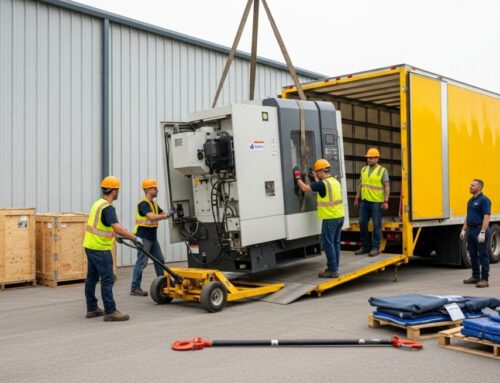
A full-service commercial mover typically offers pre-move planning and consultation, which is the most critical phase. This involves a detailed site survey, inventory assessment, and the creation of a comprehensive project plan with timelines and responsibilities. The physical move includes professional packing using commercial-grade materials, secure transportation with specialized vehicles, and careful loading and unloading. Many firms provide disassembly and reassembly services for modular furniture and workstations. A crucial differentiator is IT and electronics relocation, which involves handling servers, computers, phones, and other sensitive technology with proper protocols to prevent damage and data loss. Post-move, services often include unpacking, placement according to a floor plan, debris removal, and even storage solutions for items not immediately needed.
Specialized Moving Considerations
Certain business types require hyper-specialized handling. Law firms and financial institutions need secure, chain-of-custody moves for confidential files. Medical and dental practices must relocate expensive, calibrated, and often sterile equipment in compliance with health regulations. Laboratories face the challenge of moving sensitive instruments and potentially hazardous materials. Retail stores need strategies for moving inventory and fixtures with minimal closure time. A qualified commercial mover will have experience and protocols for these niche requirements, often including dedicated teams and specialized packing materials.
The Strategic Planning Process: A Phased Approach
Success in commercial relocation is 90% planning and 10% execution. Adopting a phased, strategic approach is essential. The process should begin the moment a relocation is confirmed, ideally with a lead time of several months for larger moves.
The first phase is initiation and assessment. This involves forming an internal move committee with representatives from key departments (IT, HR, Facilities, Management). Together, you will define the project’s scope, budget, and goals. The next step is selecting the right commercial relocation partner. This requires thorough vetting: checking licenses and insurance, reviewing case studies and references, and obtaining detailed, written proposals. Once a partner is chosen, the detailed planning phase begins. This collaborative effort produces a master move schedule, communication plans for staff, floor plans for the new space, and a detailed inventory. A critical component is the IT and telecom migration plan, which must be coordinated with your providers to ensure connectivity is established at the new location before the move date. For a comprehensive look at developing this strategy, consider reviewing our guide on office relocation services as a strategic guide.
To manage the myriad of tasks, a structured checklist is invaluable. Key action items often include:
- Notify stakeholders: Inform employees, clients, vendors, and service providers of the new address and moving timeline.
- Manage address changes: Update business licenses, bank accounts, insurance policies, and marketing materials.
- Plan for data backup: Ensure all company data is fully backed up prior to any equipment being moved.
- Coordinate with building management: Arrange freight elevator access, loading dock times, and parking at both locations.
- Labeling system: Implement a color-coded or numbered labeling system for boxes and furniture corresponding to the new office floor plan.
Cost Factors and Budgeting for Your Business Move
The cost of commercial relocation services is highly variable, influenced by numerous factors. Understanding these helps in creating an accurate budget and avoiding surprise expenses. Primary cost drivers include the distance of the move (local vs. long-distance), the volume and weight of items being moved, the need for specialized packing or equipment (like crane services for heavy items), the complexity of access at both locations (stairs, elevators, distance from truck to door), and the level of service required (full-service packing vs. labor-only). Additional costs often arise from storage needs, insurance beyond the mover’s basic coverage, IT reconfiguration services, and potential overtime charges for moves outside standard business hours.
When obtaining quotes, insist on a detailed, in-person survey. Beware of estimates given solely over the phone. A reputable company will provide a binding or not-to-exceed estimate, which offers greater financial predictability. It is also prudent to budget for incidental costs like new security badges, updated signage, and a contingency fund (typically 10-15% of the move budget) for unforeseen issues. To begin understanding potential costs for your specific project, you can always get a free moving quote from vetted professionals.
Minimizing Downtime and Ensuring Business Continuity
The single greatest cost of a business move is often operational downtime. A strategic move plan prioritizes continuity above all else. Tactics to achieve this include executing the move over a weekend or holiday, performing a phased move where non-essential departments or equipment are moved first, or utilizing a “hot cut” strategy for IT where systems are migrated and brought online in a coordinated, rapid sequence. Communication is the backbone of continuity. Employees should receive clear, frequent updates about the timeline, their responsibilities, and what to expect on move day and the first week in the new space. Designating a point of contact within the moving company and within your own team ensures issues are resolved swiftly.
Frequently Asked Questions
How far in advance should we start planning a commercial move?
For a small office (under 5,000 sq. ft.), start planning 3-4 months in advance. For mid-size to large offices, 6-12 months of lead time is recommended, especially if build-outs or significant IT work is required at the new location.
What insurance should a commercial mover carry?
At a minimum, they must have cargo insurance and general liability insurance. Verify their coverage limits and ask about options for full-value protection, which covers the actual replacement cost of damaged items, unlike released value protection which offers minimal compensation based on weight.
Who is responsible for moving employee personal items?
This should be clarified in the moving contract. Typically, commercial movers handle company-owned assets. A policy should be communicated to employees regarding personal items like plants, decorations, or reference books. Some companies allow a single box per employee, packed and labeled by the employee.
Can we have employees pack their own workstations?
While it may seem cost-effective, having employees pack is generally not advised. It leads to inconsistent packing quality, improper labeling, and potential damage. It also consumes valuable employee work time. Professional packers are faster, more efficient, and assume liability for items they pack.
What happens to old furniture and equipment we don’t want to move?
Many commercial relocation services offer asset disposition services. They can arrange for the responsible donation, recycling, or liquidation of unwanted items. This should be planned well in advance of the move date.
A commercial relocation, when approached with strategic rigor and the right professional partnership, is more than a change of address. It is an opportunity to streamline operations, revitalize workspace design, and boost employee morale in a new environment. By investing in comprehensive planning and expert commercial relocation services, you protect your business assets, safeguard your productivity, and position your company for its next chapter of success. The goal is not just to move, but to move forward.