Smarter Business Relocation Services for Companies and Offices

Relocating a business is one of the most complex operations a company can undertake. Unlike a residential move, which involves personal belongings and a single household, a corporate relocation demands the seamless transfer of office furniture, sensitive technology, critical files, and an entire workforce’s productivity. A single misstep can lead to costly downtime, lost data, or damaged equipment. This is why professional business relocation services for companies and offices have become an essential investment for organizations planning a move. By partnering with experienced business relocation movers, companies can reduce risk, maintain operational continuity, and return to full productivity faster than if they attempted a DIY approach.
The decision to move offices often stems from growth, lease expiration, or the need for a more strategic location. However, the logistics involved can overwhelm internal teams who are already focused on core business activities. This article provides a comprehensive guide to understanding what business relocation services entail, how to plan a successful move, and why hiring specialized professionals is critical. Whether you are moving a small startup or a large corporate headquarters, this guide will help you navigate the process with confidence.
What Are Business Relocation Services for Companies and Offices?
Business relocation services for companies and offices encompass a wide range of specialized tasks designed to move an entire workplace from one location to another with minimal disruption. These services go far beyond simply loading boxes onto a truck. They include strategic planning, inventory management, IT and technology disconnection and reconnection, furniture disassembly and reassembly, secure document handling, and even employee relocation assistance. A reliable business relocation service acts as a project manager, coordinating every aspect of the move so that your team can focus on running the business.
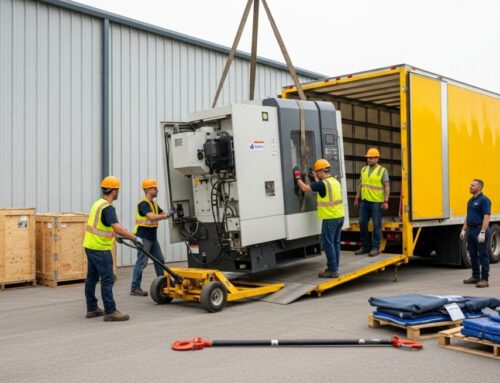
Corporate moves require a different skill set than residential moves. Business relocation movers are trained to handle heavy office furniture, delicate electronics, and large quantities of boxes efficiently. They understand the importance of labeling and organization, and they use specialized equipment like furniture dollies, pallet jacks, and protective padding to prevent damage. Moreover, these professionals often work after hours or over weekends to avoid interrupting business operations. Choosing the right partner can mean the difference between a move that takes a weekend and one that drags on for weeks.
Key Components of a Professional Office Move
A successful office relocation involves several interconnected phases. Each phase requires careful planning and execution. Below are the core components that a comprehensive business relocation service should address.
Pre-Move Planning and Audit
Before any physical moving begins, a thorough assessment of the current office is essential. This includes creating a detailed inventory of all assets, from desks and chairs to servers and printers. Professional movers will conduct a site survey to understand the layout, identify potential challenges such as narrow hallways or stairs, and determine the amount of labor and equipment needed. During this phase, the relocation team will also review the new space to plan the layout and ensure that furniture and equipment will fit properly. This pre-move audit is critical for developing an accurate timeline and budget.
IT and Technology Relocation
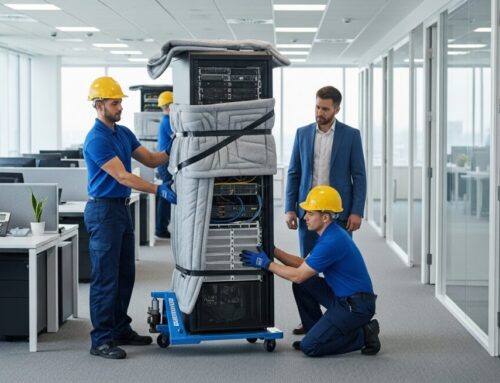
One of the most sensitive aspects of any office move is the relocation of IT infrastructure. Servers, network equipment, and workstations contain irreplaceable data and are often expensive to replace. A specialized business relocation service includes IT relocation experts who can safely disconnect, transport, and reconnect your technology. They will label every cable, back up critical data, and test systems after the move to ensure everything is functioning correctly. This service minimizes downtime and protects your company from data loss.
Furniture and Equipment Handling
Office furniture is often bulky, heavy, and difficult to move without proper training. Business relocation movers use systematic techniques for disassembling modular workstations, wrapping desks and chairs in protective materials, and reassembling them in the new location. They also handle specialized equipment such as copiers, printers, and lab equipment with care. Using the right packing materials and techniques prevents scratches, dents, and breakage, preserving the value of your assets.
Document and File Management
Many businesses still rely on physical files and records. Moving these documents securely requires careful packing, labeling, and often secure transportation for sensitive information. Professional movers can provide locking file carts and secure storage options. Some services also offer document scanning and digital archiving as part of the relocation process, which can help reduce physical storage needs in the new office. This is particularly valuable for businesses transitioning to a paperless environment.
How to Choose the Best Business Relocation Mover
Selecting the right moving partner is perhaps the most important decision you will make during your office relocation. Not all moving companies are equipped to handle the complexities of a corporate move. Here are key factors to consider when evaluating potential providers.
First, look for experience. Ask how many office moves the company has completed and whether they have handled businesses of your size and industry. A mover that specializes in corporate relocations will have a proven track record and references you can check. Second, verify licensing and insurance. Professional business relocation movers should carry liability insurance and workers’ compensation coverage to protect your assets and their employees. Third, request a detailed written estimate that outlines all costs, including labor, materials, transportation, and any additional fees. Avoid movers who provide vague quotes or pressure you into signing a contract without a clear scope of work.
Additionally, consider the range of services offered. The best providers offer end-to-end solutions, including packing, IT support, furniture installation, and even storage if needed. A single point of contact simplifies communication and accountability. Finally, read online reviews and ask for testimonials from past clients. A reputable mover will be transparent about their performance and happy to share feedback. For a deeper look at how to approach the entire process, you can read A Strategic Guide to Commercial Relocation Services for Businesses which covers additional planning strategies.

Steps to Plan a Successful Office Relocation
Planning an office move requires a structured approach. Follow these steps to ensure a smooth transition.
- Form a relocation committee. Assign a project manager and team members from key departments such as IT, HR, and facilities. This team will coordinate with the moving company and make decisions.
- Set a realistic budget and timeline. Include costs for movers, packing materials, IT setup, and potential downtime. Establish a timeline that allows for contingencies.
- Conduct a space audit of the new location. Measure doorways, elevators, and room dimensions to ensure furniture and equipment will fit. Plan the floor layout in advance.
- Communicate with employees early and often. Provide clear instructions on how to pack personal items, label boxes, and prepare for the move day. Address any concerns about commuting or parking at the new location.
- Schedule IT disconnection and reconnection carefully. Coordinate with your IT team and the movers to minimize downtime. Plan for a full system test before employees return to work.
- Execute the move during off-hours. Most corporate moves happen over a weekend or overnight to avoid disrupting normal business operations. Confirm this with your mover.
- Conduct a post-move inspection. Walk through the new office with the moving crew to verify that everything is in its proper place and that no damage occurred. Address any issues immediately.
Following these steps will reduce confusion and help your team settle into the new space quickly. Remember that flexibility is key. Unexpected challenges may arise, such as elevator outages or delayed deliveries, so build buffer time into your schedule.
Cost Considerations for Corporate Relocation
The cost of business relocation services for companies and offices varies widely based on several factors. The size of your office, the distance of the move, the amount of specialized equipment, and the level of service you choose all impact the final price. On average, a local office move can cost anywhere from a few thousand dollars for a small space to tens of thousands for a large corporate headquarters. Long-distance moves add transportation and fuel costs.
To get an accurate estimate, provide the moving company with a detailed inventory of items to be moved. Be upfront about any heavy or fragile items that require special handling. Many reputable movers offer a free on-site survey to provide a binding quote. Avoid companies that give estimates over the phone without seeing your office. Also, consider the cost of packing materials, storage if needed, and any additional services like IT support. While it may be tempting to choose the cheapest option, remember that a low price often reflects lower quality service. Investing in experienced business relocation movers can save you money in the long run by preventing damage and reducing downtime.
Frequently Asked Questions
How far in advance should I book business relocation services?
It is recommended to book your moving company at least 4 to 6 weeks before your desired move date. For large corporate moves or relocations during peak season (summer months), booking 8 to 12 weeks in advance is wise. This ensures availability and allows ample time for planning and preparation.
Can we stay open during the move?
Most businesses choose to move during off-hours, such as evenings or weekends, to remain operational during regular business hours. A professional relocation team can work around your schedule. However, some disruption is inevitable. Plan for at least one day of reduced productivity for packing and one day for the physical move and setup.
What is the difference between a commercial mover and a residential mover?
Commercial movers specialize in moving offices, warehouses, and other business environments. They have experience handling heavy furniture, IT equipment, and large volumes of items. Residential movers focus on household goods. Using a residential mover for a corporate relocation can lead to inefficiencies and potential damage. Always choose a mover with commercial experience.
Do I need to provide packing materials?
Most full-service business relocation movers provide all necessary packing materials, including boxes, tape, bubble wrap, and furniture pads. These materials are often included in the service package or available for an additional fee. Confirm with your mover what is included in your quote.
How do I protect sensitive data during a move?
Work with your IT department to back up all critical data before the move. Use secure, encrypted drives or cloud storage for backup. If you have physical documents containing sensitive information, consider using locked containers and a chain of custody protocol. Discuss data security procedures with your moving company to ensure they have protocols in place.
For businesses needing to finance their relocation or purchase new equipment, exploring options like vehicle and equipment financing can help manage upfront costs. Many companies use these services to fund moving trucks, new office furniture, or technology upgrades without straining their cash flow.
Final Thoughts on Office Relocation
Relocating your office is a significant undertaking, but with the right business relocation service, it does not have to be overwhelming. By understanding the scope of work, choosing experienced professionals, and following a structured plan, you can minimize disruption and protect your investment. Remember that the goal is not just to move items from point A to point B, but to ensure that your team can resume work quickly and efficiently in the new space. A well-executed move can even boost morale by providing a fresh, modern environment for your employees. Take the time to research your options, ask the right questions, and partner with a mover who understands the unique demands of corporate relocation. Your business deserves a move that is as strategic and professional as the work you do every day.