How to Choose Heavy Equipment Moving Services
Moving large machinery and industrial equipment is not a task for a standard moving crew. It requires specialized knowledge, powerful tools, and a deep understanding of safety protocols. Whether you are relocating a manufacturing plant, upgrading a construction fleet, or moving a single piece of medical imaging equipment, the stakes are high. A mistake can lead to costly damage, project delays, or serious injury. This is where professional heavy equipment moving services become indispensable. They provide the expertise and hardware necessary to transport items weighing thousands of pounds from one location to another, ensuring your operations resume with minimal downtime.
Many business owners and facility managers underestimate the complexity of moving heavy assets. It is not simply a matter of lifting and loading. The process involves route surveys, load calculations, disassembly and reassembly, specialized rigging, and compliance with transportation regulations. Attempting a do-it-yourself approach with a standard forklift or trailer often leads to disaster. By engaging a qualified heavy equipment moving company, you invest in a process that protects your capital assets and keeps your project on schedule. This article will walk you through the critical factors to consider when selecting a provider, the steps involved in a professional move, and how to prepare for a seamless transition.
What Defines a Professional Heavy Equipment Moving Company?
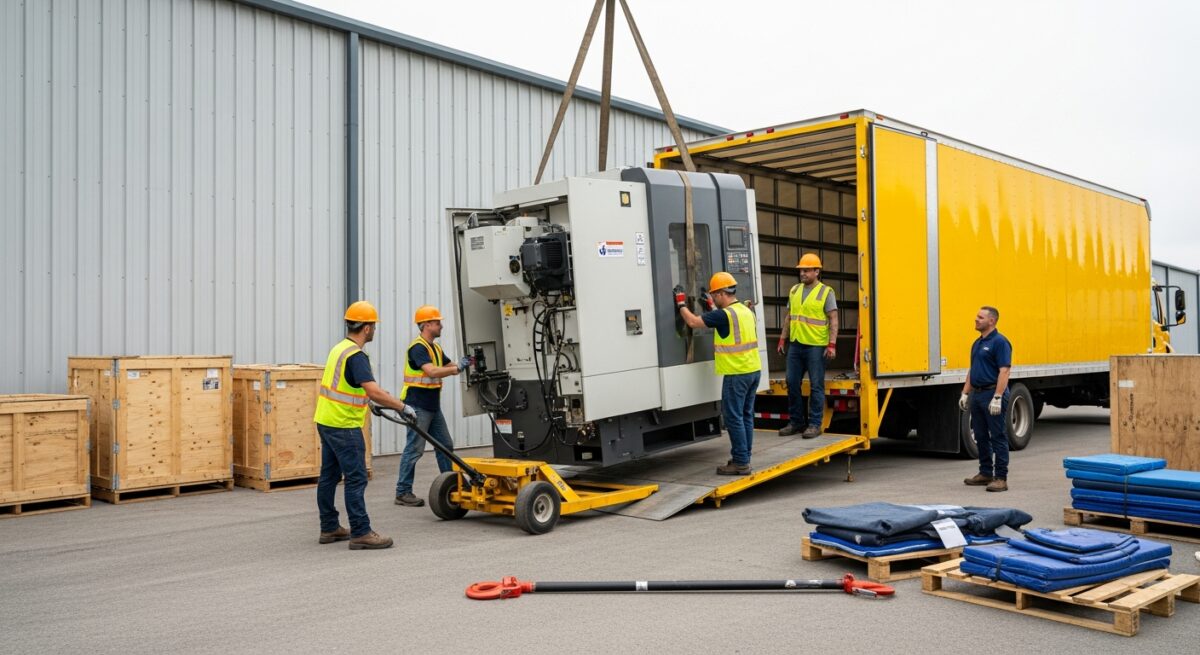
Not all moving companies are equipped to handle industrial machinery. A legitimate industrial equipment movers provider brings a specific set of capabilities to the table. The first differentiator is the availability of specialized equipment. This goes far beyond a standard flatbed truck. You should expect to see tools like hydraulic gantry systems, lowboy trailers, cranes with various tonnages, air skates, and rollers. The company must have the right gear to lift, load, and secure your specific type of machinery, whether it is a CNC lathe, a bulldozer, or a large generator.
Another defining trait is rigorous safety and insurance coverage. Reputable heavy equipment moving services carry comprehensive liability and cargo insurance. This protects your equipment during transit and covers potential damage to the facilities involved. Furthermore, their crew members should have formal training in rigging, crane operation, and OSHA safety standards. Ask for proof of insurance and certifications. A professional company will readily provide these documents. They also conduct a pre-move site survey to identify obstacles like low doorways, weak flooring, or power lines that could complicate the move. This upfront planning is the hallmark of a service that prioritizes safety and precision over speed.
Key Services Offered by Industrial Equipment Movers
When you hire a specialist, you are paying for more than just transportation. The scope of work typically includes several critical phases. Understanding these services helps you evaluate quotes and ensure nothing is overlooked. Here are the core offerings you should expect from a full-service heavy equipment moving company:
- Rigging and Lifting: This involves using cranes, hoists, and slings to safely lift and position equipment. The team calculates load weights and center of gravity to prevent tipping or structural stress.
- Disassembly and Reassembly: Many large machines must be partially broken down to fit through doorways or onto trailers. Professional movers handle the removal of components like arms, booms, or guards and then reassemble the equipment at the destination.
- Loading and Unloading: This step uses lowboy trailers, flatbeds, or step-deck trailers. The crew secures the load with chains and binders, ensuring it does not shift during transit.
- Freight Management and Logistics: For long-distance moves, the company handles route planning, permits for oversized loads, and coordination with local authorities to ensure compliance with weight and dimension regulations.
Each of these services requires a dedicated team of specialists. Do not assume that a general moving company can handle these tasks. Always verify that the provider has specific experience with your type of machinery. For example, moving a stamping press requires different rigging techniques than moving a mobile crane. A specialized mover will ask detailed questions about your equipment before providing a quote.
How to Evaluate and Select a Provider
Choosing the right partner for your heavy equipment move is a decision that impacts your budget, timeline, and safety record. Start by creating a shortlist of companies that have verifiable experience with your industry. If you are in the oil and gas sector, look for movers who have handled drilling equipment. If you run a food processing plant, find a company familiar with sanitary stainless steel machinery. Online reviews and testimonials are useful, but direct references are better. Ask the provider for contact information from three recent clients with similar projects.
Next, request an on-site inspection. A reputable heavy equipment moving company will insist on visiting your facility to assess the machinery and the path of travel. This inspection allows them to identify potential issues such as low ceilings, narrow corridors, or weight limits on the loading dock. During this visit, they can also discuss the need for temporary structural supports or specialized lifting points. A quote provided without a site visit is often unreliable and may lead to change orders later. Compare the scope of work and the line-item pricing from at least three providers. The cheapest quote is not always the best value, especially if it lacks adequate insurance or uses outdated equipment.
Finally, evaluate their communication and project management approach. A successful move requires coordination between your team, the mover, and sometimes the building management. The provider should assign a dedicated project manager who will be your single point of contact. This person should provide a timeline, a list of required preparations on your end, and a clear chain of command. During the move, you need to know who to call if a problem arises. Professional industrial equipment movers pride themselves on clear, consistent communication throughout the process.
The Step-by-Step Process of a Heavy Equipment Move
Understanding the typical workflow helps you prepare and reduces the risk of surprises. While every project is unique, most heavy equipment moving services follow a structured sequence. The first stage is planning and preparation. This includes the site survey, obtaining necessary permits for oversized loads, and scheduling any utility disconnects. You may need to clear the work area of debris and ensure that access paths are unobstructed. The moving company will create a lifting plan that specifies crane positions, rigging points, and safety zones.
The second stage is the physical preparation of the equipment. This often involves draining fluids like hydraulic oil and coolant to prevent spills during transport. Loose parts are removed and packed separately. The machine is then cleaned to remove grease and debris, which makes handling safer and easier. The rigging crew attaches lifting points according to the manufacturer’s specifications. They use spreader bars and slings to distribute the weight evenly, protecting the machine’s frame from damage.

Once the equipment is rigged, the actual lift and loading occurs. This is the most critical phase. The crew uses cranes or gantries to lift the machine off its foundation. They then guide it onto the trailer, positioning it correctly for weight distribution. The machinery is securely chained down using multiple tiedowns. For over-dimensional loads, the driver will have a route plan that avoids low bridges and weight-restricted roads. After transport, the unloading and final placement stage begins. The equipment is set in its new location, leveled, and reassembled. The moving company then tests basic functions to ensure everything is in working order before they leave the site.
Cost Factors and Budgeting for Your Move
The cost of heavy equipment moving services varies widely based on several variables. The weight and dimensions of the machinery are the primary drivers. Heavier and larger items require more powerful cranes and larger trailers, which increase costs. The distance of the move also matters. Local moves are typically billed by the hour, while long-distance moves are priced by the mile. Another significant factor is the complexity of the route. Moving equipment from a ground-level loading dock is cheaper than extracting a machine from a basement or a rooftop.
Additional services like disassembly, reassembly, and crating will add to the total. You should also account for permit fees for oversized loads, which can range from a few hundred to several thousand dollars depending on the state and the route. Some movers charge a travel time fee for the crew, especially for remote locations. To avoid surprises, ask for a detailed written estimate that breaks down all these components. A trustworthy heavy equipment moving company will be transparent about their pricing and will explain any potential for additional charges. Remember that investing in a thorough, well-planned move is far more cost-effective than dealing with equipment damage or workplace injuries later.
For a broader perspective on what professional movers offer and how to evaluate their services, you can refer to our comprehensive guide on Moving Services Explained: What Movers Really Offer. This resource helps you understand the full range of capabilities you should expect from a moving partner.
Frequently Asked Questions
What types of equipment can be moved?
Professional heavy equipment moving services can handle a vast array of items. This includes construction machinery like excavators and bulldozers, manufacturing equipment such as presses and conveyor systems, agricultural machinery like combines and tractors, and medical imaging devices like MRI machines. The key is that the mover has the correct rigging and trailers for the specific weight and dimensions.
How far in advance should I book a heavy equipment move?
You should book at least four to six weeks in advance for most projects. Complex moves involving multiple pieces of equipment or special permits may require two to three months of lead time. Booking early ensures that the mover can reserve the necessary equipment and crew for your dates.
Do I need to prepare the equipment before the movers arrive?
Yes, in most cases. You should drain all fluids (oil, coolant, hydraulic fluid) to prevent leaks and spills. Disconnect power sources and remove any loose or fragile attachments. The moving company will provide a detailed checklist of what you need to do during the pre-move inspection.
How is the insurance handled during the move?
The moving company should carry both liability insurance and cargo insurance. Liability insurance covers damage to your facility, while cargo insurance covers damage to the equipment itself during transit. You should ask for a certificate of insurance before the move begins and verify the coverage limits. You may also want to check if your own business insurance provides additional coverage.
Can equipment be stored temporarily during the move?
Many heavy equipment moving companies offer temporary storage solutions. This is useful if there is a gap between the move-out and move-in dates. The equipment is typically stored in a secured, fenced yard or a warehouse. Ask about storage fees and security measures if this service is needed.
Final Considerations for a Successful Move
Relocating heavy machinery is a high-stakes operation that demands professional execution. The right heavy equipment moving services do more than just transport your assets. They provide peace of mind, protect your investment, and keep your project on schedule. By focusing on safety, specialized equipment, and clear communication, you can avoid the common pitfalls that plague industrial relocations. Start your search early, verify credentials, and demand a detailed plan. A reliable provider will treat your equipment with the same care and precision that you do. With the right partner, your move can be a seamless step forward for your business. Learn more