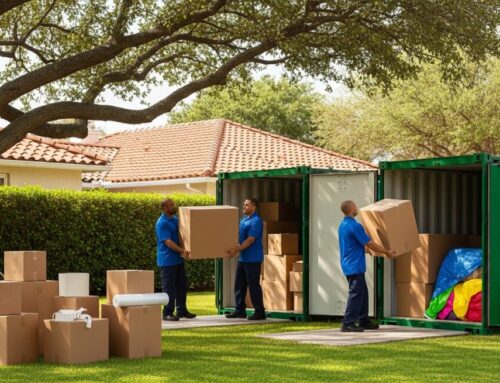
Moving Container Costs: What to Expect Before Booking

Planning a move often involves weighing convenience against cost, and portable moving containers have become a popular middle ground. They offer more flexibility than a full-service mover and less stress than a rental truck. However, the final price can be a moving target if you do not understand the pricing structure. Before you reserve a unit, it is critical to break down the moving container costs and what factors will actually determine your final bill. This guide walks through every fee, hidden charge, and strategic decision that influences the total cost of your relocation.
The Core Pricing Model of Moving Containers
Unlike traditional movers who charge by the hour or by weight, portable storage and moving container companies typically use a flat-rate pricing model based on the container size and the duration of your rental. This model makes budgeting easier, but it also includes several variables that can increase the price. The base rate usually covers delivery of the container to your current home, a set period for you to load it, pickup, transport to a warehouse or your new home, and a second rental period for unloading.
Most companies offer two or three container sizes, and the cost scales with the space you need. For example, a small 8-foot container might be suitable for a studio apartment, while a 16-foot container works for a two-bedroom home. The base price also depends heavily on the distance of your move. Local moves, typically within 50 miles, cost significantly less than long-distance or cross-country transport. When evaluating moving container cost, always ask for a quote that separates the rental fee from the transportation fee, as fuel surcharges can sometimes be added later.
Base Rental vs. Transportation Fees
It is important to understand that the “rental” portion of your payment covers the container itself and the time you have it. The “transportation” portion covers the truck and driver that brings the container to you and later hauls it to its final destination. For long-distance moves, the transportation fee is often the largest part of the bill. Some companies bundle these into one price, while others itemize them. If you are moving across the country, the transportation fee can be several thousand dollars, regardless of how long you keep the container at your house.
To get an accurate picture of portable storage pricing, request a quote for the exact zip codes of your origin and destination. A quote that only covers the rental period without the transport leg is incomplete. Many providers also charge a “trip fee” or “logistics fee” for the driver’s time, which is non-negotiable. Knowing this upfront helps you compare apples to apples when shopping between companies.
Key Factors That Influence Your Final Bill
Several elements beyond the base rate can cause your final cost to rise or fall. Being aware of these factors before you sign a contract can save you from surprise charges. Here are the primary variables that affect moving pod pricing and overall container rental expenses.
- Distance of the Move: Local moves (under 50 miles) are priced by the day. Long-distance moves are priced by the mile plus fuel surcharges. The further the container travels, the higher the transport cost.
- Container Size: Larger containers cost more to rent and more to transport because they take up more space on the truck. Choose the smallest size that fits your belongings to save money.
- Rental Duration: Most companies include a set number of days (e.g., 30 days for long-distance). Exceeding this limit incurs a daily or weekly fee, which can add up quickly.
- Storage Requirements: If you need the container stored at a warehouse before delivery, you will pay monthly storage fees. Some companies include a month of free storage; others charge from day one.
- Accessibility and Placement: If the driver cannot easily park the container on your street or driveway due to permits or obstacles, you may face an additional placement fee or have to pay for a parking permit yourself.
These factors mean that two people moving the same distance could pay very different prices based on how long they take to load and where they place the container. For example, keeping a container for 60 days instead of 30 days could add several hundred dollars to your total. Similarly, choosing a size that is too large wastes money on both rental and transport. It is always wise to overestimate slightly, but be realistic about your volume of belongings.
Hidden Fees and How to Avoid Them
While moving containers are often advertised as a budget-friendly option, hidden fees can turn a good deal into an expensive headache. The most common surprise charges include delivery and pickup windows that expire, overweight container fees, and charges for placing the container on certain surfaces like asphalt or gravel. Many companies have strict weight limits for each container size. Exceeding that limit by even a few hundred pounds can trigger a significant overweight penalty because it requires special permits or a heavier truck.
Another hidden cost involves the condition of the container. If you damage the interior or exterior, you may be charged for repairs. While normal wear and tear is expected, scratches, dents, or broken locking mechanisms are not. To avoid these charges, inspect the container thoroughly when it arrives and document any existing damage with photos. Finally, do not forget about the cost of packing supplies. While the container rental might seem affordable, you still need boxes, tape, bubble wrap, and furniture pads. These supplies are not included in the rental price and can add another $100 to $300 to your total moving budget.
Before you book, ask the company for a complete list of potential fees. Specifically, ask about cancellation fees, change-of-delivery-date fees, and fees for requesting the container be moved to a different location after it has been dropped off. A reputable company will provide a transparent breakdown of moving container cost without ambiguity. If a representative hesitates to answer these questions, consider that a red flag.
Comparing Moving Containers to Other Moving Methods
To determine if a moving container is the right choice, you must compare its cost and convenience to alternatives like full-service movers and DIY truck rentals. Full-service movers charge a premium for labor, packing materials, and transportation. They can cost two to three times more than a container for a long-distance move. However, they save you the physical effort of loading and unloading. In our guide on long-distance moving containers: cost and options guide, we explain how the middle-ground approach of containers often provides the best balance of cost and control.
On the other end of the spectrum, a rental truck is usually the cheapest option upfront. You pay a daily rate plus mileage, and you do all the driving and loading. However, you must factor in fuel costs, insurance, and the physical toll of driving a large vehicle. For long distances, the fuel cost alone can rival the transport fee of a container. Additionally, you are responsible for the truck’s condition and timeline. A moving container removes the driving burden while still allowing you to control the packing process. This makes it an appealing option for those who want to save money but do not want the stress of piloting a 26-foot truck across state lines.
When to Book for the Best Price
Timing plays a major role in moving container pricing. The moving industry peaks from May through September, and prices during these months can be 20% to 50% higher than during the off-season. If you have flexibility, scheduling your move in the fall or winter can lead to significant savings. Additionally, booking your container at least four to six weeks in advance often locks in a lower rate and guarantees availability. Last-minute bookings, especially during peak season, may come with a premium charge or limited container sizes.
Another timing factor is the day of the week. Moving on a Monday or Tuesday is typically cheaper than moving on a Friday or Saturday. Since container companies schedule deliveries and pickups based on their fleet availability, mid-week dates are often less competitive. You can also save money by choosing a longer initial rental period if you are confident you need the time. Some companies offer discounts for 30-day or 60-day rental packages compared to paying by the day. Planning your timeline carefully can reduce your overall portable storage pricing by a substantial margin.
Insurance and Liability Considerations
When you rent a moving container, your belongings are not automatically covered for damage during transport. Most companies provide basic liability coverage that is very limited, often covering only a fraction of your item’s value. To fully protect your possessions, you need to review your homeowner’s or renter’s insurance policy. Many policies extend coverage to items in transit, but the limits vary. If your policy does not provide adequate coverage, you may need to purchase additional moving insurance from a third-party provider.
The container company itself will usually offer a damage waiver or valuation coverage. This is not the same as full replacement insurance. Valuation coverage often pays out based on the weight of the item, not its actual value. For high-value items like electronics, art, or antiques, this is insufficient. Before you load the container, take a detailed inventory and photograph your valuables. This documentation is essential if you need to file a claim. Understanding the insurance options and limitations is a crucial part of evaluating moving pod pricing because the cheapest quote may leave you financially exposed.
Frequently Asked Questions
How much does a moving container typically cost for a local move?
For a local move under 50 miles, a small container typically costs between $100 and $300 per month for the rental, plus a delivery and pickup fee that ranges from $50 to $150. Total cost for a local move is usually under $500.
What is the average cost for a long-distance move using a container?
For a move of 1,000 miles or more, the total cost including transport and rental can range from $1,500 to $4,000. The exact price depends on the container size, distance, and rental duration. Cross-country moves at the higher end of this range are common.
Are there weight limits for moving containers?
Yes, most containers have a weight limit between 2,000 and 5,000 pounds depending on the size. Exceeding this limit results in an overweight fee, which can be several hundred dollars. It is important to estimate your load weight accurately.
Can I keep the container longer than the rental period?
Yes, most companies allow you to extend your rental for a daily or weekly fee. The cost for extra days typically ranges from $5 to $20 per day. Always confirm the extension rate before your initial rental period ends.
Do I need a permit to place a container on the street?
In many cities, yes. If you plan to place the container on a public street, you typically need a permit from your local municipality. The cost of the permit varies but can be between $25 and $100. Some moving companies can help you obtain this permit for an additional fee.
Final Thoughts on Budgeting for Your Move
Booking a moving container is a strategic decision that requires careful financial planning. By understanding the core pricing model, identifying potential hidden fees, and timing your move wisely, you can keep your costs under control. The flexibility of a container is a major advantage, but that flexibility comes with a price tag that is not always transparent. Always get a written estimate that breaks down every component of the fee, from the rental period to the transport to the storage. If you need to finance the move, consider exploring options like those offered at StartAutoLoan.com to help manage your budget. With the right preparation and a clear understanding of what to expect, you can use a moving container to simplify your relocation without breaking your bank.