Long Distance Moving Containers: Cost and Options Guide
Moving across the country is a major life event. You are leaving behind familiar streets, friends, and routines. The logistics of getting your furniture and boxes from point A to point B can feel overwhelming. Among the many choices you face, one option has grown increasingly popular: moving containers. Unlike a traditional moving truck that requires a driver to stay with your belongings, a container is dropped off at your home, loaded at your pace, and then shipped to your new city. This guide breaks down the costs, the available options, and the key factors you need to consider before booking your move. Whether you are a family downsizing or a professional starting a new job, understanding the nuances of long distance moving containers will help you make a confident decision.
How Moving Containers Work for Cross-Country Moves
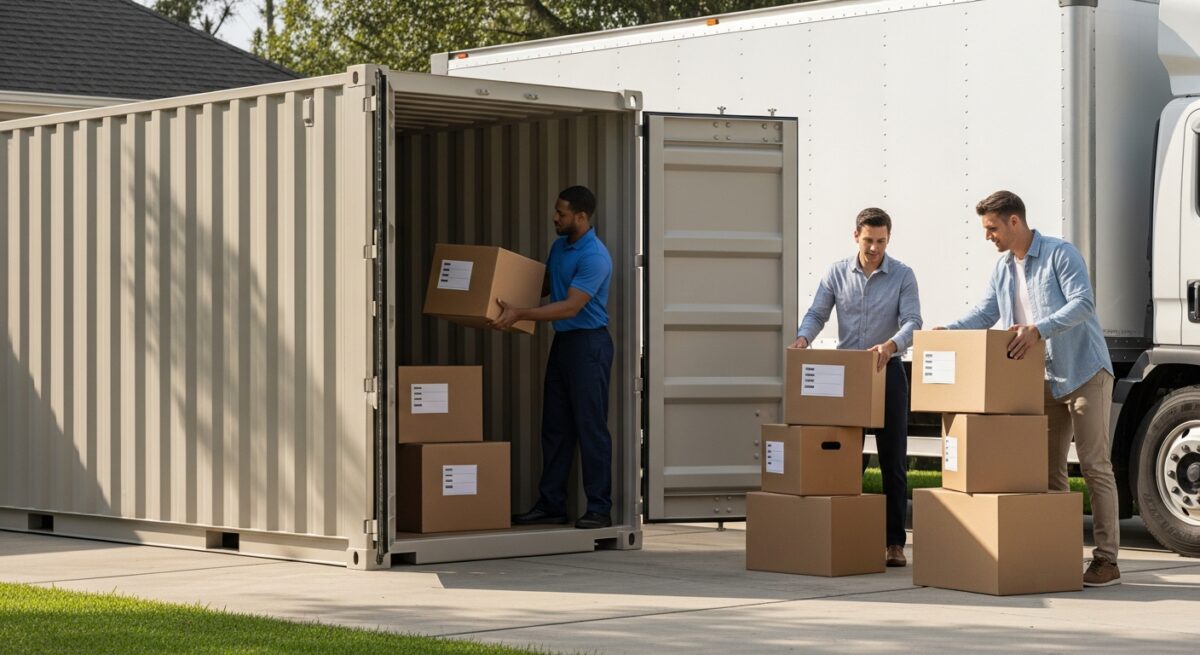
The process is simpler than coordinating a full-service moving crew. First, you select a container size that fits your home. The company delivers the steel container to your driveway or a nearby loading zone. You then have several days to pack it at your own speed. This flexibility is a huge advantage if you have a flexible timeline or need to clean and sell your home before departure. Once you are done, the company picks up the container and transports it via truck, train, or ship to your new city. They deliver it to your new address, and you unload it on your schedule. Some companies offer storage at their facility if your new home is not ready yet. This door-to-door service removes the pressure of driving a massive truck across the country and worrying about fuel costs, tolls, and breakdowns.
Breaking Down the Cost of Long Distance Moving Containers
Pricing for container moves is not a flat fee. Several variables affect the final quote. Understanding these components will help you compare offers and avoid surprise bills. The primary cost drivers include distance, container size, rental duration, and additional services like packing supplies or storage.
Distance and Fuel Surcharges
The farther you move, the higher the transport cost. Most companies charge a per-mile rate that decreases slightly for very long hauls. For a move from New York to Los Angeles (roughly 2,800 miles), you might pay between $0.80 and $1.50 per mile for the container space. Fuel surcharges are often added separately and fluctuate with diesel prices. Always ask for a guaranteed quote that includes estimated fuel costs. Some providers offer a flat rate for popular cross-country routes, which can simplify budgeting.
Container Size and Your Belongings Volume
Container sizes range from a small 8-foot unit (suitable for a studio apartment) to a 16-foot unit (good for a two-bedroom home). Some companies offer a 20-foot or even a 28-foot option. The cost increases with size. A standard 16-foot container for a long distance move typically ranges from $2,000 to $5,000 depending on the route and season. You need to be honest about your volume. Overstuffing a container can damage items, while renting a second container doubles your cost. Most companies provide a virtual survey or a video walkthrough to help you choose the right size. If you are unsure, ask about the option to combine a pod with a small amount of freight on a pallet for odd-sized items.
Rental Period and Storage Fees
One of the biggest cost traps is the rental period. Most companies include a standard window of 30 days for loading, transit, and unloading. If you need more time at either end, daily fees of $20 to $50 per day can add up quickly. If your new apartment closing is delayed by two weeks, you could face an extra $700 in fees. Some companies allow you to store the container at their depot for a monthly fee, which can be cheaper than a separate storage unit. Always clarify the included days and the daily overage charge before signing the contract. For moves with a tight timeline, choose a company that offers a longer included window.
Comparing the Top Long Distance Moving Container Options
Not all container companies are the same. The major players differ in container quality, delivery windows, and customer service. Here is a breakdown of the most common options available for cross-country moves:
- PODS (Portable On Demand Storage): The industry pioneer. They offer multiple container sizes and a large network across the U.S. Their containers are weather-resistant and designed for both storage and moving. They are a strong choice for moves with unpredictable timing because they allow long rental periods. However, their quotes can be higher than newer competitors, and delivery windows can be broad (sometimes a 4-day window).
- U-Pack: A hybrid between a moving truck and a container service. They deliver a trailer (or a ReloCube, which is a smaller container) and you load it. They then drive the trailer to your new city. You pay only for the space you use. This can be cheaper than a dedicated container if you have less than a full load. Their ReloCube is roughly the size of a small bedroom and is great for partial moves.
- 1-800-PACK-RAT: Known for their steel, weather-resistant containers that are made from heavy-gauge steel. They offer a strong focus on security and weather protection. Their containers are often used for moves to humid or rainy climates. They provide a 30-day rental period included in the base price, which is standard. Their customer service is generally well-rated for cross-country moves.
- Local and Regional Providers: Many smaller companies offer container services in specific regions. They might offer lower prices than national brands because of lower overhead. However, their network may not extend to every zip code. If you are moving between two major metropolitan areas, a regional provider can be a hidden gem. Always check their DOT number and insurance coverage.
Each option has trade-offs. PODS offers maximum flexibility and a huge network. U-Pack offers cost savings for partial loads. 1-800-PACK-RAT offers heavy-duty protection. The best choice depends on your specific route, budget, and timeline. For example, if you are moving a three-bedroom house from Chicago to Denver, a standard 16-foot PODS container might be ideal. If you are moving a one-bedroom apartment from Seattle to Portland, a U-Pack ReloCube could save you hundreds of dollars.
Hidden Costs and How to Avoid Them
Even with a quote in hand, there are expenses that can inflate your final bill. Being aware of these will help you budget accurately. The most common hidden costs include:
- Delivery and Pickup Fees: Some companies charge a fee to deliver the container to your home, especially if you live in a rural area or a location with difficult access. Ask if this is included in the quote.
- Permits: If you plan to park the container on a public street, many cities require a permit. The cost ranges from $25 to $150. The moving company usually does not include this in the quote. Check with your local city hall or parking authority.
- Loading and Unloading Labor: You can hire movers to load or unload the container. While convenient, this adds $200 to $600 per move depending on the volume. If you are physically able, doing it yourself saves money. If you need help, schedule it separately through a local labor site or ask the container company if they offer add-on labor.
- Insurance and Valuation: Basic liability coverage is usually included but is very low (often $0.30 per pound per item). This does not cover the full value of your electronics or furniture. You can purchase full-value protection from the container company or through a third-party insurer. This typically costs 1% to 2% of the declared value of your goods. For a household valued at $20,000, that is $200 to $400 extra.
To avoid surprise bills, get every detail in writing. Request a full breakdown of the quote, including taxes, fuel surcharges, and any potential accessorial fees. Compare quotes from at least three providers. Remember that the cheapest quote may not be the best value if it has a short rental window or poor customer reviews.
Step-by-Step Process for Booking a Container Move
Following a structured approach reduces stress and ensures you do not miss critical steps. Here is a straightforward sequence to follow:
- Inventory your home: Walk through every room and estimate your cubic feet of belongings. Use a moving calculator online or ask the container company for a volume guide. This step is crucial for choosing the right container size.
- Get quotes from multiple companies: Contact at least three providers. Provide the same inventory list and dates to each one. Note the base price, included days, and any extra fees. Ask for a guaranteed price that cannot change after booking.
- Check availability and schedule delivery: Popular moving dates (end of the month, summer weekends) book up fast. Reserve your container 4 to 6 weeks in advance. Confirm the delivery window and the pickup date.
- Prepare your loading area: Clear a path in your driveway or coordinate with your landlord for street parking. Ensure the area is level and wide enough for the truck to drop the container. Measure the height of any low-hanging branches or wires.
- Load your container strategically: Place heavy items on the bottom and fragile items on top. Disassemble furniture to save space. Fill gaps with soft items like pillows and blankets. Leave a small aisle if possible for access during unpacking.
- Schedule pickup and track the shipment: Once loaded, call the company to schedule pickup. Most companies provide tracking so you can see where your container is during transit. This is especially reassuring on a long cross-country trip.
- Receive and unload at your new home: When the container arrives, inspect the seal for tampering. Unload within the allowed rental window. If you need additional time, contact the company immediately to avoid overage fees.
Following these steps keeps you organized and in control of the timeline. It also helps you spot potential issues early, such as a container that is too small or a delivery window that conflicts with your closing date.
When a Moving Container Beats a Full-Service Mover
Container moves are not the best choice for everyone, but they shine in specific scenarios. If you have a flexible timeline and want to save money by doing your own packing and loading, a container is ideal. It also works well if you need temporary storage between homes. Full-service movers are better if you have a very tight schedule, a large and complex household with fragile antiques, or if you simply do not want to lift a finger. The cost difference is significant: a full-service long distance move can cost $6,000 to $12,000 for a three-bedroom home, while a container move for the same volume might be $3,000 to $6,000. The trade-off is the labor you provide. For many people, that trade-off is worth the savings and the control over how their items are packed.
Frequently Asked Questions About Long Distance Moving Containers
How far in advance should I book a moving container?
Booking 4 to 6 weeks ahead is standard for long distance moves. During peak season (May to September), booking 8 weeks in advance is safer. Last-minute bookings are possible but may have limited size options and higher prices.
Can I pack my own moving container?
Yes. You are responsible for packing and loading the container. The company will provide a seal for security. You can hire independent movers to help with loading if you prefer. Just ensure they are insured and licensed.
What items are prohibited in a moving container?
Typical prohibited items include flammable liquids, paint, propane tanks, gasoline, ammunition, plants, perishable food, and hazardous materials. Check with your specific company for their full list. Most allow standard household items, furniture, electronics, and clothing.
How long does a long distance container move take?
Transit time depends on the distance and the route. A coast-to-coast move (e.g., New York to California) typically takes 7 to 14 days after pickup. Shorter moves (e.g., 500 miles) can take 2 to 4 days. The company will provide an estimated delivery window when you book.
Are moving containers weatherproof?
Reputable companies use steel containers with rubber seals and ventilation. They are designed to withstand rain, snow, and extreme temperatures. However, they are not climate-controlled unless you specifically request a climate-controlled unit (which is rare for standard moving containers). For sensitive items like electronics or artwork, consider additional packing protection.
Choosing the right container service can transform a stressful cross-country move into a manageable project. By understanding the cost structure, comparing options, and planning your timeline carefully, you can save hundreds of dollars and reduce anxiety. If you are considering a full-service move for comparison, our guide on Affordable Long Distance Moving Companies: How to Save Money provides additional strategies for cutting costs without sacrificing quality. For those who prefer the container route, the freedom to pack at your own pace and the ability to store your belongings if needed make it a compelling choice. Calculate your volume, get your quotes, and schedule your delivery with confidence. Learn more