Unpacking Room by Room: A Family Guide to Settling In
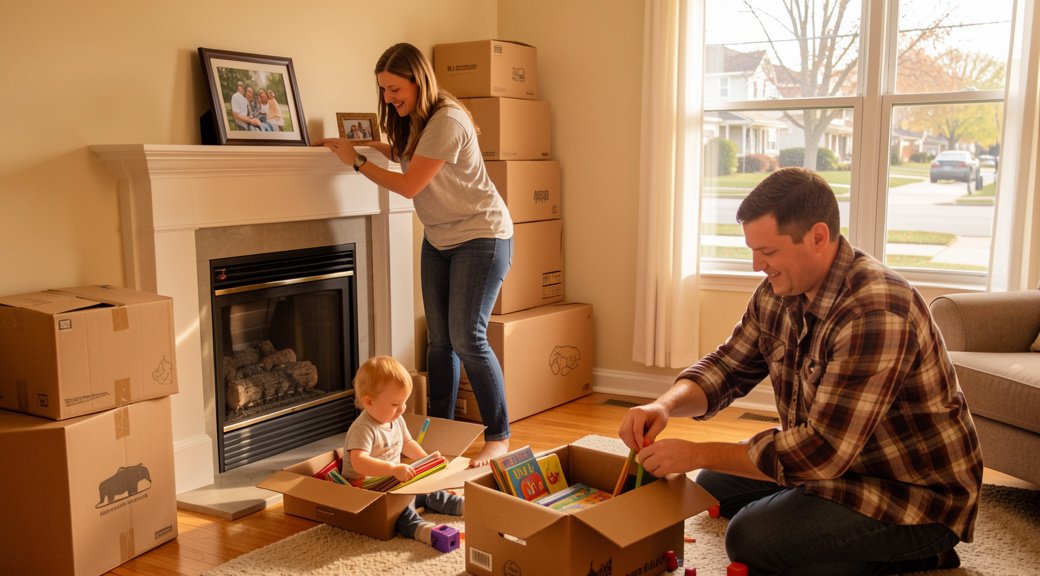
Moving day is finally over. The truck is empty, the boxes are stacked in the right rooms, and the kids are asking for a snack from a kitchen that looks like a cardboard maze. For many families, this moment brings equal parts relief and overwhelm. The truth is that unpacking efficiently can transform the first week in your new home from a chaotic scramble into a smooth transition. A systematic approach is the key to reclaiming your space and your sanity. By tackling each room with a clear plan, you can create a functional home for your family without burning out. This guide walks you through the process of unpacking room by room, offering practical strategies that work for households of any size. For families seeking affordable moving services with expert tips, this method will help you save time and reduce stress.
Why a Room by Room System Works
Unpacking an entire house at once is a recipe for exhaustion. When you try to do everything simultaneously, you end up moving half-empty boxes from one room to another and feeling like you made no progress. The room by room method solves this by creating a series of small, achievable goals. Each completed room gives you a psychological win and a functional space where your family can rest and recharge.
This approach also prevents the common problem of “unpacking paralysis.” When you stand in a room full of boxes, it is easy to waste time deciding where to start. A structured plan removes that indecision. You focus on one space at a time, and you do not move to the next until the current room is fully set up. This creates momentum and ensures that every area of your home gets the attention it deserves.
Preparing Your Unpacking Toolkit
Before you open a single box, gather the tools that will make the process faster and safer. You will need a box cutter or scissors, a trash bag for packing debris, a marker for labeling, and a notepad for a shopping list of items you discover you need. Keep a small first aid kit nearby because paper cuts and scraped knuckles are common during unpacking.
It also helps to have a designated “launch pad” in a central location. This could be a table or counter where you keep your tools, a bottle of water, and a phone charger. When you need to pause and regroup, you can return to this spot without searching for supplies. This simple setup keeps you efficient and reduces frustration.
The Kitchen: First Priority for Family Function
The kitchen is the heart of any family home. It is where meals are prepared, homework is supervised, and morning routines begin. For this reason, it should be the first room you tackle. Start by unpacking the essentials box that you packed separately. This box should contain items like a coffee maker, a kettle, a few plates and cups, utensils, a pan, and basic spices. Set up a temporary counter where your family can eat simple meals while you finish the rest of the kitchen.
Once the essentials are in place, move on to the main boxes. Unpack dishes and glasses first, placing them in cabinets near the dishwasher or sink. Next, handle pots and pans, storing them near the stove. Then organize pantry items, checking expiration dates as you go. Finally, set up small appliances and utensils. This order ensures that the most frequently used items are accessible first. A well-organized kitchen will make your family feel at home almost immediately.
Bedrooms: Creating Restful Spaces for Everyone
After the kitchen, focus on the bedrooms. A good night of sleep is critical for both children and adults who are adjusting to a new environment. Start with the master bedroom because parents need a calm space to recharge. Assemble the bed frame, put on the mattress, and make the bed with fresh sheets. Unpack clothing and hang it in the closet. Set up a small nightstand with a lamp and an alarm clock. This room does not need to be perfect, but it should be comfortable.
Next, move to the children’s bedrooms. Involve your kids in the process as much as their age allows. For younger children, unpack their favorite toys and stuffed animals first to create a sense of familiarity. For older kids, let them decide where to place furniture and how to organize their belongings. This gives them ownership of their new space and reduces anxiety about the move. Make sure each child has a clear path to their bed and a spot for their most cherished items.
Living Room: The Family Gathering Space
The living room is where your family will spend time together after the boxes are gone. However, it does not need to be perfect on day one. Focus on creating a functional seating area where everyone can sit and relax. Arrange the sofa and chairs, set up a coffee table, and plug in a lamp or two. Unpack a few throw pillows and blankets to make the space feel cozy.
Leave the decorative items for later. Artwork, photo frames, and knickknacks can wait until the rest of the house is settled. The priority is to create a space where your family can watch a movie, read a book, or have a conversation. Once the main furniture is in place and the floor is clear of boxes, the living room will feel like a retreat from the unpacking chaos.
Bathrooms: Essential for Daily Routines
Bathrooms are high-traffic areas that need immediate attention. Begin with the master bathroom. Unpack toiletries, towels, and a shower curtain. Set up a caddy or basket with daily essentials like toothbrushes, toothpaste, soap, and shampoo. Make sure the toilet paper is within easy reach. A functional bathroom allows your family to maintain their daily hygiene routines without searching through boxes.
For shared or kids’ bathrooms, follow the same approach. Place a trash can, a bath mat, and a few towels in each bathroom. Store extra supplies like toilet paper and cleaning products in a cabinet or under the sink. Once the bathrooms are set up, your family can take showers and get ready for bed or school without disruption.
Home Office and Kid’s Study Area
If your family includes remote workers or school-aged children, a dedicated workspace is essential. Set up a desk, chair, and lamp in a quiet corner or spare room. Unpack the computer, monitor, and office supplies first. Make sure the internet is connected and that all cables are organized. This space will allow parents to handle work tasks and children to complete homework without distraction.
For younger children, create a small study nook with crayons, paper, and books. Having a designated area for learning helps establish routines and signals that the new home is also a place for productivity. This room does not need to be fully decorated, but it should be functional and comfortable.
Storage Areas and Laundry Room
Storage spaces like closets, the garage, and the laundry room are often overlooked in the rush to set up living areas. However, organizing these spaces early prevents clutter from accumulating later. Start with the laundry room. Set up the washer and dryer, and unpack laundry supplies like detergent, dryer sheets, and a hamper. This simple step will make it easy to keep up with laundry from day one.
Next, tackle storage closets. Sort items into categories like seasonal decorations, extra linens, and cleaning supplies. Use clear bins with labels to keep everything visible and accessible. In the garage, arrange tools, sports equipment, and holiday items on shelves or hooks. A well-organized storage area gives you peace of mind and ensures that you can find what you need when you need it.
Handling the Unpacking Overwhelm
Even with a room by room plan, unpacking can feel overwhelming. It is important to pace yourself and take breaks. Set a timer for 45 minutes of focused work followed by a 15 minute rest. During breaks, step outside, stretch, or have a snack. This rhythm prevents burnout and keeps your energy steady throughout the day.
Another helpful strategy is to set a daily goal. For example, commit to finishing one room per day or unpacking 10 boxes per day. Celebrate each achievement with your family. Order pizza for dinner after the kitchen is done, or plan a movie night after the living room is set up. These small rewards create positive associations with the new home and make the process feel less like a chore.
If you find that certain items have no clear home, resist the urge to shove them into a random closet. Instead, create a “decision box” for items that need more thought. Set the box aside and revisit it after the main rooms are complete. This prevents clutter from forming and gives you time to make intentional choices about where things belong.
Frequently Asked Questions
How long does it take to unpack a house for a family of four?
The timeline varies based on the size of the home and the amount of belongings. On average, a family of four can expect to spend one to two weeks fully unpacking and organizing if they work consistently. Focusing on one room per day can speed up the process.
Should I unpack everything before the movers leave?
No. The movers are there to deliver and place your furniture and boxes. Unpacking is a separate step that you can do at your own pace. Focus on having the movers put boxes in the correct rooms, and then handle the unpacking yourself over the following days.
What if my children refuse to sleep in their new room?
This is common after a move. Let your child bring familiar items like a favorite blanket or stuffed animal into their new room. Spend extra time reading or talking in their room before bedtime. Consistency and patience will help them adjust.
How do I avoid losing important items during unpacking?
Label every box clearly with its contents and destination room. Keep a master list of box numbers and their contents. For important documents and valuables, carry them in a separate bag that you keep with you during the move.
What is the best way to dispose of packing materials?
Break down cardboard boxes and place them in recycling bins. For bubble wrap and packing paper, check if local donation centers or shipping stores will accept them. You can also save some bubble wrap for future use or craft projects.
Making Your New House Feel Like Home
Unpacking is not just about putting things away. It is about transforming a house into a home where your family can thrive. The room by room method helps you make steady progress without sacrificing your well-being. As each space comes together, you will feel a growing sense of ownership and comfort. Remember to involve your family in the process, celebrate small victories, and give yourself grace during the transition. For families seeking professional support, financial planning resources can help you manage moving costs while you focus on settling in. With patience and a clear plan, your new home will soon feel like the place where your family belongs.