Smart Post-Move Unpacking Strategy to Settle Quickly
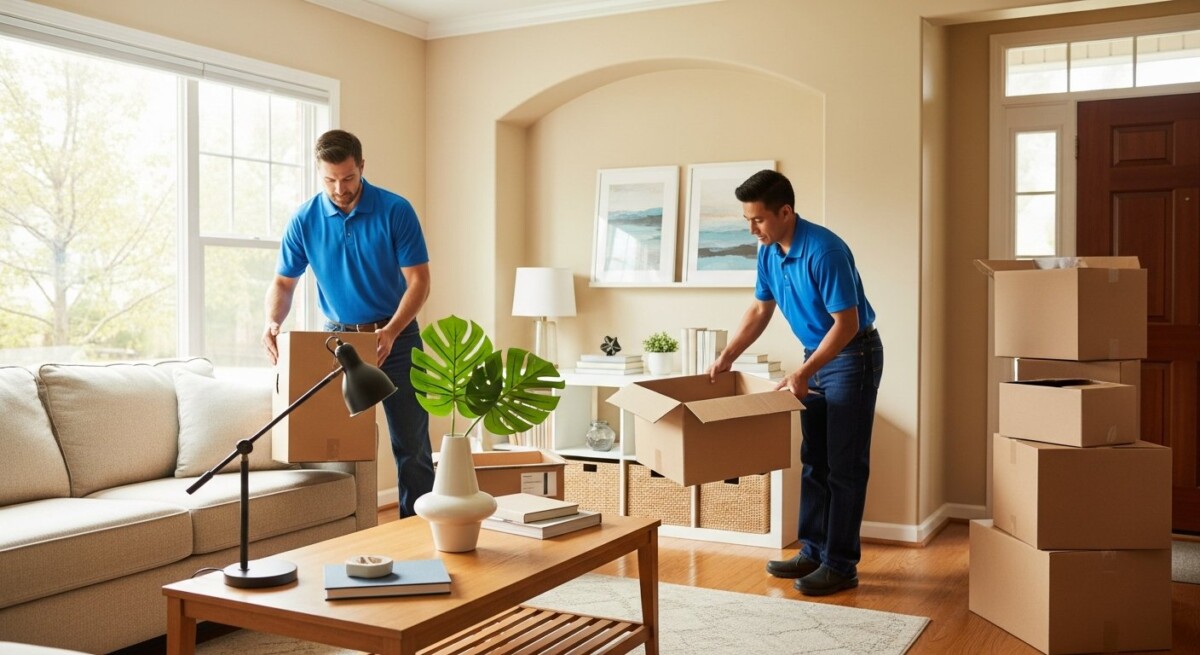
You have just finished the exhausting part of a relocation. The truck is empty, the boxes are stacked in every room, and your family is staring at a mountain of tape and cardboard. That feeling of relief quickly mixes with a new kind of stress. Where do you even begin? Without a plan, unpacking can stretch into weeks of chaos, lost items, and tension. A deliberate post-move unpacking strategy to settle in quickly is not just about speed. It is about reclaiming your sense of home, restoring order, and reducing the mental load that comes with living out of boxes. The goal is to create a functional, comfortable space in the shortest time possible, without burning out or making poor decisions that you will have to redo later.
This guide walks you through a proven system. You will learn how to prioritize rooms, set up daily routines, manage the mess, and avoid the common traps that slow down most people. Whether you are moving alone or with a family, these steps will help you turn your new house into a home within a week, not a month. For additional insight on what professional help looks like, check out our detailed breakdown of Home Unpacking Services: What to Expect After Your Move.
Why a Structured Unpacking Plan Matters
Many people assume that unpacking is a straightforward task. You open a box, take out items, and put them away. But without a strategy, you waste hours shuffling boxes from room to room, searching for the coffee maker or the kids’ pajamas. The lack of a system creates decision fatigue. You stand in the kitchen, holding a spatula, unsure where it should go. That indecision multiplies across hundreds of items, leading to half-empty boxes scattered everywhere.
A structured approach shifts your mindset from reactive to proactive. Instead of asking “What do I unpack next?” you follow a pre-set order that aligns with how you actually live. This method reduces the time you spend living in disarray. It also lowers the emotional toll. Moving is one of life’s most stressful events. Unpacking in a chaotic way prolongs that stress. A smart post-move unpacking strategy to settle in quickly gives you control, which directly improves your mental well-being and your ability to enjoy your new environment.
Phase One: The First 24 Hours
Essentials Box First
Before the move, you should have packed a clearly labeled “Open First” box or suitcase. This container holds everything you need for the first night and the next morning. Think of it as your survival kit. Include toiletries, a change of clothes, medications, phone chargers, a basic tool kit, scissors, snacks, paper plates, cups, and a few towels. If you did not pack this box, stop everything else and gather these items from the other boxes now. You cannot function well without them.
Set up your bed immediately. Make it with fresh sheets and pillows. A good night’s sleep is the foundation for a productive next day. Then, assemble the bathroom essentials. Hang a shower curtain, put out a hand towel, and place your toothbrush and soap where you can reach them without digging through a box. These small wins create a sense of stability. You now have a place to sleep, a place to wash, and a way to eat. Everything else is secondary.
Identify and Fix Critical Issues
Walk through every room with a notepad. Check for problems that will block your progress. Is the internet working? Do you have hot water? Are there any broken locks, leaky faucets, or missing light bulbs? Address these issues on day one. Calling a plumber or electrician later in the week is harder when you are already buried in boxes. Fixing these items now prevents them from becoming excuses to delay the unpacking process.
Phase Two: Room-by-Room Priority System
After the first 24 hours, you need a clear order of operations. Do not try to unpack everything at once. Work through one room at a time, in a sequence that matches your daily routine. This approach prevents the feeling of being overwhelmed and ensures that the most important spaces become functional first.
Here is the recommended priority order for most households:
- Kitchen: This is the heart of the home. Unpacking the kitchen first allows you to prepare meals, which saves money and restores a sense of normalcy. Focus on dishes, cookware, and pantry items. Leave decorative items for later.
- Bedrooms: A comfortable sleeping environment is non-negotiable. Unpack clothes, bedding, and personal items. If you have children, set up their rooms early to help them adjust to the new space.
- Bathrooms: Beyond the essentials you set up on day one, unpack all toiletries, medicine cabinets, and cleaning supplies. A fully stocked bathroom reduces morning stress.
- Living Room and Common Areas: These are the spaces where you relax and gather. Unpack seating, entertainment items, and basic decor. Do not worry about perfect arrangement yet. Function comes first.
- Home Office: If you work from home or need a space for bills and paperwork, set up your desk and computer early. This prevents work disruption.
- Storage Spaces: Garages, basements, and attics should be last. These areas hold seasonal items and things you rarely use. They can wait.
This sequence works because it aligns with Maslow’s hierarchy of needs. You cover the essentials for survival and comfort first. Then you move to productivity and leisure. By the end of the first week, your core living spaces are usable, and you can take your time with the rest.
Phase Three: Unpacking in Batches, Not All at Once
One of the biggest mistakes people make is trying to unpack an entire room in one sitting. You open every box at once, and soon the room looks worse than it did before. Instead, work in focused batches. Take one box at a time. Remove every item and place it in its designated spot. Break down the empty box and remove it from the room immediately. This creates a visible sense of progress and keeps the space tidy.
Use a timer to avoid burnout. Work for 45 minutes, then take a 15-minute break. During the break, hydrate, stretch, or step outside. Unpacking is physical work. Treat it like a workout. If you push too hard, you will make sloppy decisions that you will have to fix later. Pace yourself. A steady, consistent effort over several days is far more effective than a frantic all-nighter.
Managing the Paperwork and Digital Chaos
Moving generates a mountain of paper. Leases, contracts, utility setup confirmations, insurance documents, and change-of-address forms pile up quickly. Do not let these important papers get lost in the shuffle. Set up a simple filing system as soon as you unpack your desk supplies. Use a portable file box or a dedicated drawer. Label folders for categories such as Lease, Utilities, Moving Contract, Insurance, and Medical Records.
Digitize what you can. Scan important documents and store them in a secure cloud folder. This protects you from losing physical copies and makes it easier to find information later. Also, update your address with the post office, your bank, your employer, and all subscription services. Create a checklist and tackle it in one sitting. Getting this administrative work done early prevents missed bills and lost mail.
Involving the Whole Household
Unpacking should not fall on one person’s shoulders. If you live with family or roommates, assign clear responsibilities. Give each person ownership of their own bedroom and one shared space. For example, one person handles the kitchen while another handles the living room. This distributes the workload and builds a sense of shared achievement.
For families with children, make it a game. Give kids a small reward for unpacking their own boxes. Let them arrange their room the way they like, within reason. Giving them control over their space helps them adjust emotionally to the new home. They feel invested in the house, not just dragged along. A collaborative post-move unpacking strategy to settle in quickly turns a chore into a team effort.
Avoiding Common Unpacking Traps
Even with the best plan, certain pitfalls can derail your progress. Awareness is your first defense. Here are the most common traps and how to avoid them:
- Perfectionism: Do not try to arrange furniture and decor perfectly on the first try. Focus on function. You can rearrange later. Getting stuck on where to hang a picture wastes time that could be spent unpacking a box of clothes.
- Overthinking storage: If you cannot decide where an item should live, put it in a temporary bin labeled “Decide Later.” Move on. Do not let one spatula stop the entire kitchen process.
- Keeping too many empty boxes: Break down boxes as you go and stack them neatly. If you let them pile up, they create clutter and a fire hazard. Recycle or donate them as soon as you have a reasonable stack.
- Skipping breaks: Unpacking is physically and mentally draining. Forcing yourself to work through exhaustion leads to mistakes and resentment. Rest is productive.
Avoiding these traps keeps your momentum high. You will finish faster and with less frustration.
When to Call for Professional Help
Sometimes, the sheer volume of unpacking is too much for one person or family to handle in a reasonable time. If you feel overwhelmed, consider hiring professional unpacking services. Many moving companies offer this as an add-on. Trained crews can unpack your boxes, place items in designated rooms, and even remove the packing debris. This service is especially valuable for large homes, families with young children, or anyone with a physically demanding job.
If you are dealing with high-value items like fine art, antiques, or fragile electronics, you might also want expert assistance. Professionals have the tools and knowledge to handle delicate pieces without damage. The cost of these services is often worth the time and stress they save. A smart post-move unpacking strategy to settle in quickly sometimes means knowing when to delegate.
Frequently Asked Questions
How long should it take to unpack after a move?
A reasonable goal is to have your essential living spaces fully functional within three to five days. The remaining boxes (decor, storage, garage) can take one to two weeks. If you are still surrounded by boxes after a month, your strategy needs adjustment.
Should I unpack everything before I start decorating?
Yes, it is better to unpack first and decorate later. Decorating before you know where everything goes often leads to clutter and rearranging. Once all your items are in place, you can see the space clearly and make better design choices.
What is the one thing I should unpack first?
Your bed. A good night’s sleep in your new home sets the tone for the entire unpacking process. Everything else can wait until you are rested.
How do I avoid feeling overwhelmed by the number of boxes?
Focus on one box at a time, not the whole room. Use a timer and take breaks. Celebrate small victories, like finishing the kitchen or clearing a hallway. Progress is cumulative.
Should I buy new organizers before unpacking?
No. Unpack first, then assess what storage solutions you actually need. Many people buy organizers they never use. Live in the space for a week, then make smart purchases.
Final Thoughts on Your Unpacking Journey
Unpacking is the final mile of your moving journey. It is the step where a house becomes a home. By following a deliberate, phased approach, you can avoid the chaos and exhaustion that plagues so many moves. Prioritize your essentials, work room by room, and give yourself permission to rest. A smart post-move unpacking strategy to settle in quickly is not about speed for its own sake. It is about creating a space where you and your family can thrive. If you need extra support, remember that professional help is available. For a free quote on moving or unpacking services, reach out to our team. We are here to make your transition as smooth as possible. Additionally, if you are looking to manage your finances after a move, you can explore options at car loan refinancing to free up monthly cash flow.