House Relocation Costs: Process and Pricing Guide
Moving your entire household is one of the most significant financial and logistical undertakings you will face. Many homeowners underestimate the true cost of relocation, leading to budget overruns and last-minute stress. Whether you are moving across town or across the country, understanding how house relocation services price their work and what each phase of the process entails is essential for a smooth transition. This guide breaks down the typical cost structure and step-by-step process of hiring a professional house relocation company, helping you plan with confidence and avoid common pitfalls.
What Determines the Cost of House Relocation Services?
House relocation services cost and process explained in detail reveals that pricing is far from one-size-fits-all. Moving companies evaluate several variables before providing a quote, and each factor can shift the final price significantly. The most influential elements include the total distance of the move, the volume or weight of your belongings, the time of year, and the specific services you require. For example, a local move of under 50 miles is typically billed by the hour, while a long-distance relocation is priced based on weight and distance. Additional costs often arise from stairs, elevators, long carry distances, and bulky or fragile items like pianos or antiques. According to industry data, the average cost for a local move ranges from $800 to $2,500, while a long-distance move can cost between $2,500 and $10,000 or more depending on these factors.
Breaking Down the House Relocation Process
Professional home relocation services follow a structured workflow designed to protect your belongings and streamline the move. Understanding this process helps you know what to expect at each stage and how to prepare. The typical timeline spans several weeks from the initial consultation to the final delivery of your items.
Initial Consultation and In-Home Estimate
The process begins with a representative from your chosen house relocation company visiting your current home. They will walk through each room, assess the items to be moved, and note any special requirements such as disassembling furniture or handling delicate electronics. This step is critical for providing an accurate binding quote rather than a rough estimate. During this visit, you should discuss access issues like narrow staircases, elevator scheduling, or parking restrictions that could affect the move. A reputable house relocation service will also check for items they cannot transport, such as hazardous materials or perishable food, and advise you on proper disposal or donation.
Pre-Move Preparation and Packing
Once you accept the quote, the company schedules your moving date and begins preparations. If you opt for full packing services, a crew will arrive a day or two before the move with professional-grade boxes, padding, and wrapping materials. They will systematically pack each room, labeling boxes by destination room and contents. For those who prefer to pack themselves, the mover typically provides a checklist and recommendations for supplies. Regardless of the packing method, this phase is when you should finalize your inventory list and ensure valuables like jewelry, important documents, and heirlooms are set aside for personal transport. Many people ask about house relocation services cost and process explained in the context of packing, and it is worth noting that professional packing usually adds 20 to 30 percent to the total moving bill but saves significant time and reduces the risk of damage.
Loading and Transportation
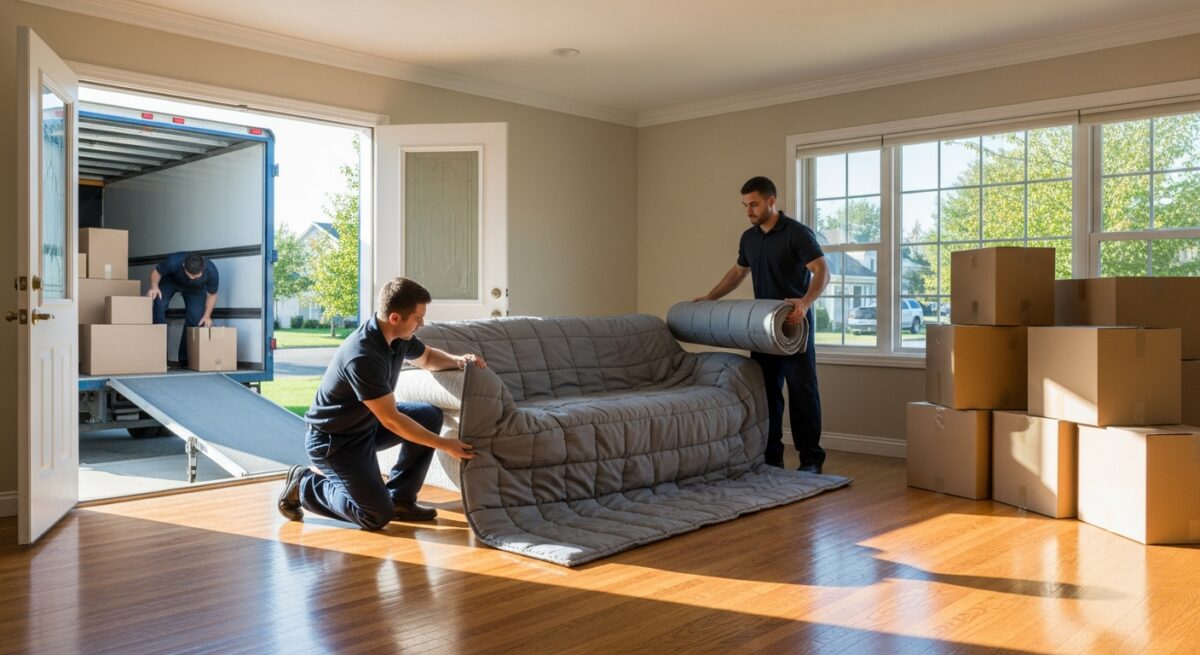
On moving day, the crew arrives with a truck equipped with straps, blankets, and dollies. They load items strategically, placing heavy furniture and appliances at the front and lighter boxes toward the rear. The team will wrap mattresses, protect artwork with specialized covers, and secure everything to prevent shifting during transit. For long-distance moves, the truck may be loaded onto a trailer or container for rail or sea transport. During this phase, you should be present to oversee the process and answer any questions from the movers. If you are moving to a state with specific regulations, such as California or New York, the driver will need to comply with local parking and permitting rules, which your house relocation company should handle on your behalf.
Unloading and Unpacking
Upon arrival at your new home, the crew unloads the truck and places each item in the corresponding room based on your floor plan or the labels on the boxes. If you purchased unpacking services, they will remove wrapping materials, assemble furniture, and dispose of packing debris. This is the moment when you should inspect items for any damage that may have occurred during transit. Most professional movers offer a claims process for damaged goods, so it is important to document any issues before the crew leaves. The entire unloading process for a typical three-bedroom home usually takes four to eight hours.
Common Cost Factors You Should Know
To help you budget accurately, here are the primary cost drivers that most moving companies use to calculate their rates:
- Distance and fuel: Longer routes mean higher fuel costs and more travel time for the crew. Interstate moves also require compliance with federal regulations, which can add administrative fees.
- Weight or volume: Movers weigh the truck before and after loading to determine the total weight. Heavier loads require more labor and larger vehicles, increasing the price.
- Labor and time: Hourly rates for local moves vary by region but typically range from $80 to $150 per hour per mover. Peak season (May through September) commands higher rates due to demand.
- Specialty items: Pianos, pool tables, safes, fine art, and large sculptures require extra equipment, packing, and insurance. Expect surcharges of $100 to $500 per item.
- Storage services: If your new home is not ready on moving day, you may need temporary storage. Climate-controlled storage adds $100 to $300 per month depending on the unit size and location.
Understanding these factors allows you to request a detailed breakdown from any house relocation company and compare quotes with full transparency. Remember that the lowest quote is not always the best value; a slightly higher price often includes better insurance coverage and more experienced crews.
How to Get Accurate Quotes and Avoid Surprise Fees
Securing a reliable estimate requires more than just a phone call. You should request an in-home survey whenever possible, as virtual estimates can miss important details like narrow hallways or third-floor walkups. Once you receive written quotes from at least three companies, compare them line by line. Look for items such as fuel surcharges, travel fees, packing materials, and valuation coverage. The Federal Motor Carrier Safety Administration mandates that interstate movers provide a written estimate and a copy of their “Your Rights and Responsibilities” booklet. If a company gives you a quote over the phone without seeing your belongings, consider that a red flag. In our guide on commercial relocation services for businesses, we explain how to vet companies for reliability and transparency. The same principles apply to residential moves: check online reviews, verify licensing, and ask for references.
Insurance and Liability Protection
Protecting your belongings during a move is a top concern. House relocation services offer two primary types of liability coverage: Released Value Protection and Full Value Protection. Released Value Protection is included at no extra cost but only covers 60 cents per pound per item. For a 50-pound box, that means a maximum payout of just $30, regardless of the item’s actual value. Full Value Protection costs more but requires the mover to repair, replace, or reimburse you for the current market value of any lost or damaged item. If you own high-value items like jewelry, collectibles, or expensive electronics, you may need to purchase additional third-party insurance. Car shipping or auto transport services are often handled separately and may require their own insurance policy. Discuss your coverage options with your mover during the estimate phase so you can make an informed decision.
Frequently Asked Questions
How far in advance should I book a house relocation service?
Most professional movers recommend booking four to eight weeks ahead of your desired move date. During peak season, popular companies may be fully booked two to three months in advance.
Can I negotiate the moving quote?
Some movers are open to negotiation, especially if you are flexible with your dates or willing to pack your own belongings. However, be wary of companies that drastically reduce their price, as this may indicate corners being cut on insurance or crew quality.
What items are typically excluded from moving services?
Standard exclusions include hazardous materials (paint, propane tanks, cleaning chemicals), perishable food, plants, and pets. Some movers also refuse to transport firearms or valuable documents unless specially arranged.
How are disputes resolved if my items are damaged?
You should file a claim in writing within 30 days of delivery, though some companies require notification within 24 hours. Keep all packing materials and photos of the damage. If the mover fails to resolve the claim, you can file a complaint with the FMCSA or your state’s consumer protection agency.
Does moving affect my homeowners insurance?
Yes, your current policy typically covers your belongings while they are in your home but may not cover them during transit. Check with your insurance agent to see if you need a rider or separate moving insurance.
House relocation services cost and process explained thoroughly gives you the power to plan effectively and avoid common mistakes. By understanding the pricing structure, preparing for each phase of the move, and asking the right questions, you can reduce stress and protect your budget. Whether you choose a full-service mover or a hybrid approach with some DIY packing, the key is to start early and communicate clearly with your chosen house relocation company. The investment in professional help pays for itself in time saved, reduced physical strain, and peace of mind.