Handling Large Furniture: A Professional Moving Service Guide
Moving a grand piano, a solid oak armoire, or a bulky sectional sofa can transform a simple relocation into a daunting logistical puzzle. These items are not just heavy, they are often fragile, oddly shaped, and emotionally valuable. Attempting to move them without the right knowledge, equipment, or manpower is a leading cause of personal injury, property damage, and moving day disasters. Understanding the specialized approach required for heavy item moving is the difference between a seamless transition and a costly, stressful ordeal. This guide delves into the professional strategies and critical considerations for safely relocating your largest possessions, whether you choose the DIY route or enlist expert furniture movers.
The Unique Challenges of Large Furniture Moving
Large furniture presents a distinct set of challenges that go beyond simple weight. First, there is the issue of bulk and balance. A tall bookcase or a wide dresser has a high center of gravity, making it prone to tipping, especially when navigating stairs or uneven surfaces. Second, many large pieces are constructed from materials that are susceptible to damage, such as solid wood that can crack, glass that can shatter, or veneers that can peel. Third, the geometry of your home becomes a critical factor. Tight corners, narrow hallways, and small doorframes can create insurmountable obstacles for an item that seemed manageable in an open room. Finally, the sheer physical demand cannot be overstated. The risk of back strains, muscle pulls, and crushed fingers is significant for the unprepared. A professional furniture moving service is trained to assess and mitigate each of these challenges systematically, using techniques developed over countless moves.
Pre-Move Preparation: Assessment and Planning
Successfully moving a large item begins long before moving day. The first and most crucial step is a thorough assessment. Measure the item’s height, width, and depth at its widest points. Then, measure every pathway it must travel: doorways, hallways, stairwells, and elevators. Remember to account for the space needed for movers to grip and tilt the item. This exercise will immediately tell you if the piece can physically exit its current room and enter its new one. Next, assess the item’s construction. Are legs removable? Does it disassemble in any way? Consult the original assembly instructions if available. For complex or high-value items, such as a pool table or a antique wardrobe, consulting a specialist is a wise investment. This planning phase also includes gathering the right tools: furniture dollies, moving straps (forearm and shoulder), furniture blankets, plastic wrap, and a set of basic tools for disassembly. Proper preparation transforms an impossible task into a manageable one.
Professional Techniques for Safe Handling and Transport
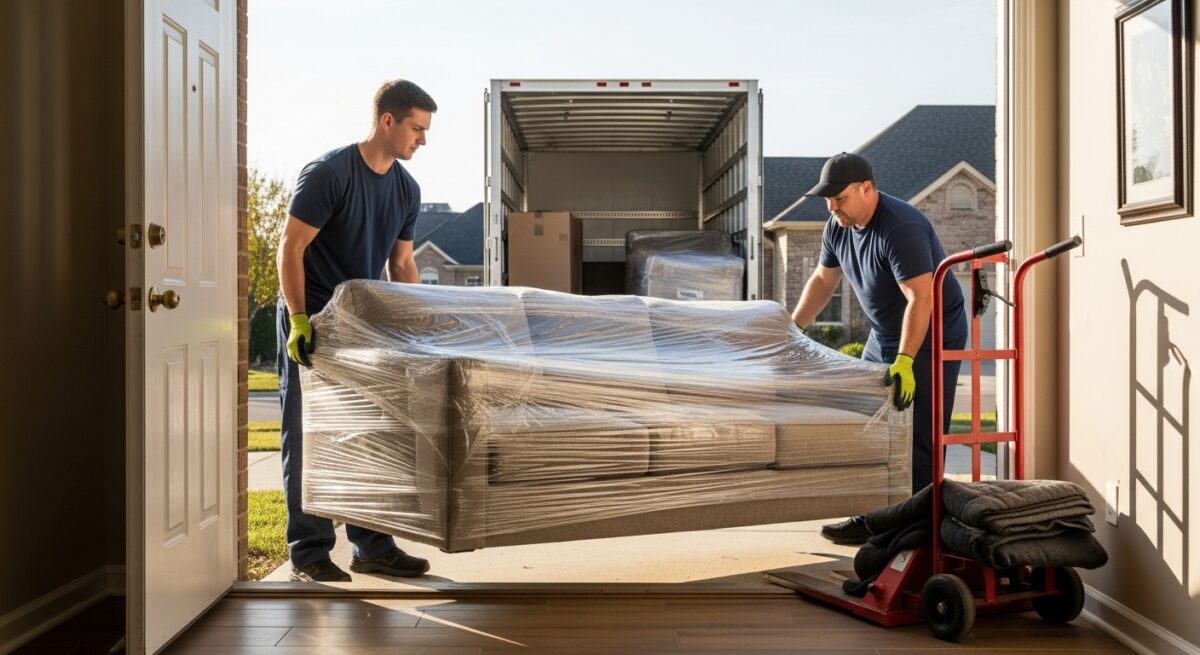
Professional furniture movers rely on a combination of equipment, technique, and teamwork. The core principle is to never rely on brute strength alone. Leverage and distribution of weight are key. For moving large items within a home or onto a truck, a quality appliance dolly is indispensable. These dollies are designed with stair-climbing capabilities and straps to secure the load. Moving straps are another game-changer. Shoulder straps allow two people to carry a heavy, bulky item like a mattress or a table with the weight distributed across their core, not just their arms and back. The process of “walking” a tall item, such as a bookcase, is a specific skill: one person guides the top while others support the base, tilting it slightly onto a dolly. Padding is non-negotiable. Wrap every surface with moving blankets and secure them with plastic wrap, which prevents the blankets from slipping and adds a layer of protection against scratches and dings. For the ultimate in safety and efficiency, many homeowners find that hiring professional moving services is the most reliable way to ensure these techniques are applied correctly, eliminating personal risk and guaranteeing the safe transport of prized belongings.
Disassembly and Reassembly Strategies
Often, the only way to move a large item is to break it down into smaller, more manageable components. This is common with bed frames, dining tables, modular sofas, and many types of shelving units. The rule here is organization. As you disassemble, place all hardware (screws, bolts, washers, brackets) into clearly labeled plastic bags. Tape these bags directly to a corresponding part of the furniture or to the underside of the main piece. Take photos with your phone at each stage of disassembly. This creates a visual guide for reassembly that is far more reliable than memory. For complex electronics or mechanically delicate items, such as a grandfather clock, disassembly should be left to specialists. The goal is to reduce the item’s size and vulnerability without compromising its structural integrity for reassembly.
Choosing Between DIY and Professional Furniture Movers
The decision to tackle large furniture yourself or hire professionals hinges on several factors. Consider a DIY approach only if: the items are moderately heavy but not exceptionally valuable or fragile, you have a sufficient number of able-bodied helpers, you possess or can rent the necessary equipment, and your move involves minimal obstacles like stairs or long carry distances. The DIY path requires significant time, physical effort, and assumes all liability for damage or injury. In contrast, hiring a professional furniture moving service is advisable when: items are high-value, antique, or irreplaceable, the move involves multiple floors, tight spaces, or long distances, you lack capable help or proper equipment, or you simply want to avoid physical strain and risk. Professional movers bring insurance, guaranteed manpower, and the expertise to handle unexpected problems. They transform a high-stress task into a supervised operation. For business relocations involving heavy office equipment and furniture, the case for professionals is even stronger, as detailed in our resource on how to hire office furniture moving companies.
When evaluating moving companies, ensure they are licensed and insured specifically for the type of move you are undertaking (local, long-distance). Request an in-person or video survey for an accurate quote, and be wary of estimates that seem too low. Ask pointed questions about their experience with items similar to yours. A reputable company will be transparent about their process, fees, and insurance coverage limits.
Special Considerations for Specific Large Items
Certain items demand extra-special care. Pianos, especially grand pianos, are not just furniture, they are precision musical instruments. Moving them requires specialized piano dollies, skid boards, and trained technicians to prevent damage to the internal mechanisms and finish. Pool tables require professional disassembly; the slate bed is extremely heavy and brittle, and the table must be perfectly leveled upon reassembly. Large aquariums are tremendously heavy when full and are prone to cracking if stressed, they must be completely emptied and moved with extreme care. Antique furniture may have hidden weaknesses in joints or veneer. For these high-stakes items, the investment in specialty movers is not an expense, it is insurance for your valuable property.
Frequently Asked Questions
How do I know if my furniture needs to be disassembled before moving?
If the item is wider or taller than the narrowest doorway or hallway it must pass through, disassembly is likely required. Also, any piece with removable legs, leaves, or modular sections should be broken down to protect those components and make the main body easier to handle.
What is the best way to protect wooden furniture during a move?
Use clean moving blankets (not furniture pads that slip) to wrap the entire piece. Secure the blankets with plastic stretch wrap. For extra protection on corners, use cardboard corner guards. Never use tape directly on finished wood surfaces, as it can pull off the finish.
Can movers refuse to move an item they deem too risky?
Yes, reputable movers have the right to refuse service for items that pose an unreasonable risk of injury to their crew or damage to the item or property. This is why an upfront survey is critical to identify any potential issues and plan for them.
How far in advance should I book movers for large items?
For moves involving several large, heavy, or specialty items, book at least 4-6 weeks in advance, especially during peak moving seasons (summer, weekends, end of the month). This ensures availability and allows time for a proper assessment.
What is the most commonly injured body part during DIY furniture moving?
The lower back is by far the most common site of injury. This is followed by fingers and toes (from crushing/dropping) and shoulders. Using proper lifting technique (lifting with legs, keeping the back straight) and equipment is essential to prevent injury.
Mastering the art of handling large furniture is a cornerstone of a successful move. It requires respect for the physical challenges, a methodical approach to planning, and an honest assessment of your own skills and resources. By applying the professional techniques outlined here, from thorough measurement and strategic disassembly to the use of proper equipment like dollies and moving straps, you can significantly reduce risk and stress. For those high-value, complex, or simply too-heavy items, partnering with a qualified furniture moving service remains the most prudent and effective path to a safe, secure, and smooth relocation.