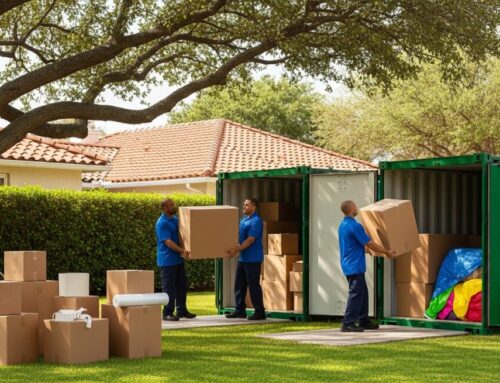
Your Complete Moving to a New House Checklist and Planning Guide

The prospect of moving to a new house is a blend of excitement and significant stress. It’s a major life event that involves countless tasks, from sorting your belongings to transferring utilities and settling into a new community. Without a solid plan, the process can quickly become overwhelming, leading to missed deadlines, lost items, and unnecessary expenses. This comprehensive guide is designed to transform that chaos into a manageable, step-by-step process. By following a structured moving to a new house checklist and planning guide, you can navigate each phase with confidence, ensuring nothing is forgotten and your transition is as smooth as possible. Let’s break down the monumental task of moving out of your current home and into your new place into a logical, executable strategy.
Strategic Planning: The Foundation of a Successful Move
The difference between a chaotic move and a controlled one is the quality of your initial planning. This phase, which should begin 6-8 weeks before your move-in date, is about creating a master framework. Start by establishing a moving binder, either physical or digital, to consolidate all critical documents: your lease or purchase agreement, mover quotes, inventory lists, and this checklist. Next, determine your moving budget. This is a crucial step that will influence every subsequent decision, from whether you hire professionals to how much packing material you buy. Your budget should account for moving company fees or truck rental, packing supplies, insurance, travel costs, cleaning services, and a contingency fund for unexpected expenses. Simultaneously, start researching and booking your moving service. Whether you decide on a full-service moving company or a DIY approach, securing your date early is paramount, especially during peak moving seasons. For a deep dive into evaluating and selecting the right service for your needs, our guide on how to choose and hire professional house moving services outlines key questions and red flags.
Decluttering is perhaps the most impactful pre-move activity. It reduces the volume of items you need to pack, transport, and unpack, ultimately saving you time and money. Go through every room, closet, and storage space with a critical eye. Employ the classic three-pile system: keep, donate/sell, and discard. Be ruthless. If you haven’t used an item in over a year, it’s likely a candidate for removal. Host a garage sale or use online marketplaces to sell valuable items you no longer need, adding funds to your moving budget. Donate usable goods to local charities. Proper disposal of hazardous materials, electronics, and other non-donatable items is also part of this process. A thorough declutter makes the packing phase significantly more efficient.
The Packing Process: Organization is Key
Packing is the most labor-intensive part of moving to a new place. A systematic approach prevents last-minute panic. Begin by gathering high-quality supplies: sturdy boxes in various sizes, packing tape, bubble wrap, packing paper, permanent markers, and a box cutter. Start packing non-essential items first, such as off-season clothing, books, decor, and specialty kitchen appliances. Label every box meticulously. Your label should include the room it belongs in (e.g., “Kitchen”) and a brief description of its contents (e.g., “Pots, Pans, Utensils”). Consider using a color-coding system with colored tape or markers for each room to make unloading effortless. Create a “First Night” box, a critical component of any moving checklist. This box should contain everything you’ll need immediately upon arrival at your new home, like toiletries, a change of clothes, basic tools, phone chargers, medications, pet food, and basic kitchen items (paper plates, cups, coffee maker). Keep this box, along with vital documents and valuables, with you during the move, not on the moving truck.
When packing fragile items, use ample cushioning. Wrap each dish and glass individually. Fill empty spaces in boxes with packing paper or bubble wrap to prevent shifting. For furniture, disassemble what you can (beds, tables, shelving units) and keep all screws, bolts, and hardware in labeled plastic bags taped to the corresponding furniture piece. Take photos of electronic setups (TV, computer, sound system) before unplugging cords to make reassembly straightforward. As you pack, maintain a detailed home inventory. This list serves multiple purposes: it helps you track that everything arrives, is essential for insurance claims, and aids in unpacking organization. A simple spreadsheet noting the box number, room, and general contents is sufficient.
Administrative and Logistical Tasks
While packing is physically demanding, the administrative tasks are mentally critical. Overlooking these can lead to service interruptions, financial hiccups, and security risks. Create a master list of all services and accounts that need your attention. Notify important parties of your change of address. This includes the postal service (file a change online or at your local post office), banks, credit card companies, insurance providers, and subscription services. Update your address with government agencies, such as the DMV for your driver’s license and vehicle registration, and the IRS. Arrange for utility transfers. Contact your current providers to schedule disconnection for the day after you move out. Then, contact utility providers in your new area (electricity, gas, water, sewer, trash, internet, cable) to schedule connection for the day before you move in. This ensures you aren’t without essential services.
Other key logistical steps include transferring medical records and finding new healthcare providers if you’re moving out of the area. Arrange for pet records to be transferred to a new veterinarian. Notify your children’s schools to arrange for records transfer and enroll them in their new district. If you’re moving to a new city or state, research new requirements, such as vehicle inspections or pet licenses. Finally, confirm all details with your moving company or rental truck reservation a week before the move. Verify dates, times, addresses, and agreed-upon costs. Having a clear plan for parking at both locations for a large moving truck is also a frequently overlooked but vital detail.
Moving Day Execution and Settling In
Moving day requires clear communication and supervision. If you hired movers, be present to direct them. Point out which items are fragile and specify the room where each box and piece of furniture should go in the new house, using your labeling system. Keep your moving binder, first-night box, and personal luggage completely separate. Do a final walk-through of your old home: check every closet, cabinet, attic, and garage to ensure nothing is left behind. Take meter readings for final utility bills and leave any necessary information or keys for the new occupants or landlord. Before the moving truck departs, do a quick check that everything loaded is accounted for on your inventory sheet.
Upon arrival at your new house, your first task is to guide the unloading process. Again, direct movers to the correct rooms. Once the truck is empty and the movers have left, you can begin the settling-in process. Start by assembling essential furniture, like beds, so you have a place to sleep. Set up basic kitchen and bathroom functions. As you unpack, prioritize rooms based on necessity: kitchen, bathrooms, and bedrooms first. Living areas and decorative spaces can come later. Unpack systematically, room by room, using your inventory list to locate specific items. This is also the ideal time to plan a smooth home relocation by deep cleaning before you fully unpack, changing locks for security, and testing all smoke and carbon monoxide detectors. Explore your new neighborhood, introduce yourself to neighbors, and start the process of making your new house feel like home.
Frequently Asked Questions
How far in advance should I start planning my move? For a local move, begin planning 6-8 weeks in advance. For a long-distance or cross-country move, 10-12 weeks of planning is advisable. This gives you ample time to research movers, declutter thoroughly, and handle administrative tasks without panic.
What is the most commonly forgotten item when moving? People often forget to transfer or set up utilities in their new home, leading to a lack of electricity or internet on move-in day. Other frequently overlooked tasks include updating addresses with less frequent correspondents (like magazines or alumni associations) and draining fuel from lawn equipment before transport.
Should I tip my movers, and if so, how much? Tipping is customary for moving crews if they provide good service. A general guideline is $20-$50 per mover for a full day’s work, or 5-10% of the total moving cost divided among the crew. Consider the complexity of the move, the care taken, and the weather conditions when deciding on an amount.
How can I make unpacking less overwhelming? Unpack one room at a time, starting with the most essential spaces (kitchen, bathroom, bedrooms). Use your labeled boxes and inventory list. Set a timer for 30-60 minute unpacking bursts to avoid burnout. Don’t feel pressured to unpack everything immediately, it’s a process that can take weeks.
What should I do with items I don’t want to move? Host a garage sale, sell items online, or donate them to charity. For broken or unusable items, arrange for proper disposal. Many charities offer free pickup for furniture donations. This reduces your moving volume and cost.
A successful move is not an accident, it’s the result of meticulous planning and execution. By treating your relocation as a multi-phase project and using this moving to a new house checklist and planning guide as your roadmap, you empower yourself to manage the details proactively. The goal is to arrive at your new home not exhausted and frustrated, but ready to embark on the next chapter of your life. Remember, the effort you invest in planning today directly translates to a smoother, less stressful, and more positive experience when you finally move in to your new house.