The Complete Move Out Packing Checklist for Less Stress
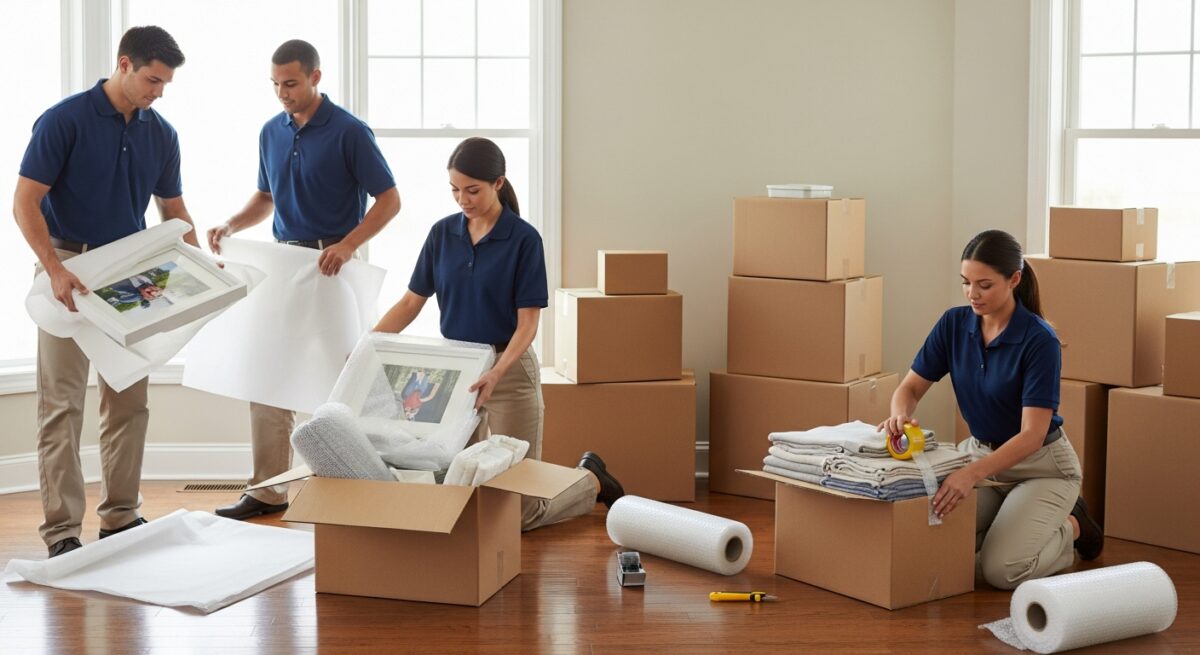
Moving out of a home is one of the most demanding life events you can face. Between coordinating dates, notifying utility companies, and saying goodbye to neighbors, the actual task of packing often gets pushed aside until the last minute. This leads to chaos, broken items, and unnecessary frustration. A proper move out packing checklist for a stress free move transforms this overwhelming process into a manageable series of small actions. When you break down the work by room and timeline, you protect your belongings and preserve your peace of mind.
The secret to a smooth relocation is not working harder but working smarter with a clear plan. By following a structured moving out packing list, you can avoid the common pitfalls of last-minute scrambling and damaged possessions. This guide provides a room-by-room approach, timing strategies, and professional tips to ensure every box is packed with purpose. Let us walk through the systematic method that professional movers use to get families from one home to another without the chaos.
Start With a Timeline That Actually Works
Packing an entire household cannot be done in a single weekend. The most effective move out packing checklist for a stress free move begins eight weeks before your moving date. This timeline gives you enough room to sort, donate, sell, and pack without burning out. Start with the items you use least often: seasonal decorations, off-season clothing, and guest room belongings. As the date approaches, work your way toward daily essentials.
Creating a reverse timeline from your moving day helps you stay accountable. For example, four weeks out you should have all non-essentials packed and labeled. Two weeks out, focus on kitchen items and linens. One week out, pack everything except your overnight bag. This gradual approach prevents the physical and mental exhaustion that comes from marathon packing sessions. Remember to build in rest days and buffer time for unexpected delays.
Gather the Right Packing Supplies First
Before you wrap a single dish, you need the proper tools. Skimping on supplies leads to damaged furniture and frustrated attempts to find tape. A comprehensive moving out packing list should include these essentials:
- Sturdy boxes in multiple sizes: small for books and canned goods, medium for kitchen items, large for linens and lightweight objects
- Bubble wrap and packing paper for fragile items, along with newspaper for filler material
- Strong packing tape with a dispenser, plus permanent markers and labels for clear identification
- Furniture blankets or old moving pads for large pieces, and plastic wrap for drawers and mattresses
- Zipper bags and small containers for hardware, screws, and small parts from disassembled furniture
Investing in quality supplies pays off when nothing breaks during transit. Professional movers often recommend double-walled boxes for heavy items and specialty boxes for televisions and artwork. You can source boxes from local moving companies, online retailers, or even liquor stores for smaller, sturdy containers. Having everything on hand before you start keeps the momentum going and prevents frustrating supply runs mid-project.
Room-by-Room Packing Strategy
A systematic approach to each room ensures nothing gets left behind. The move out packing checklist for a stress free move works best when you tackle one space at a time, completing it fully before moving to the next. This method reduces the risk of mixed items and lost hardware. Start with rooms that have the least emotional attachment or daily use.
Living Room and Common Areas
Begin by removing all items from shelves and cabinets. Sort them into three piles: keep, donate, and discard. Electronics require special attention: take photos of the back connections before unplugging anything. Wrap cords individually and label them with tape flags indicating which device they belong to. For large furniture, disassemble what you can and keep all screws and tools in a labeled bag taped to the piece itself.
Books are heavy, so pack them in small boxes to keep weight manageable. Stand them upright or flat but avoid mixing orientations to prevent spine damage. Use soft items like towels or blankets to fill gaps and protect fragile decor. Mark each box with its contents and the room it belongs in, which makes unpacking infinitely easier.
Kitchen
The kitchen contains the most fragile and varied items in any home. Start by packing items you rarely use: specialty appliances, holiday dishes, and extra cookware. Wrap each plate and bowl individually in packing paper, stacking them vertically like records rather than flat to reduce pressure. Nest smaller bowls inside larger ones with padding between them.
Glassware deserves extra care. Place a layer of crumpled paper at the bottom of the box, then wrap each glass individually. Stand them upright and fill any empty spaces with more paper to prevent shifting. For pots and pans, stack them with paper towels or cloth between each piece. Pack heavier items on the bottom and lighter ones on top. Label boxes as fragile and indicate which side should face up.
Bedrooms and Closets
Clothing can be packed in wardrobe boxes that allow garments to hang during transit. This saves hours of ironing and folding on the other end. For items that can be folded, use vacuum-sealed bags to reduce volume significantly. Shoes should be packed in small boxes or paired and placed in larger boxes with paper filling.
Jewelry, watches, and small valuables belong in your personal carry-on bag, not in a moving truck. Important documents like passports, birth certificates, and financial records should travel with you. For everyday clothing you will need right up to moving day, set aside a clearly labeled suitcase that stays open until the final morning.
Bathroom
The bathroom is often packed last because you use it until the end. Start with medicine cabinets and vanity drawers. Dispose of expired medications properly and pack remaining toiletries in sealed plastic bags to contain leaks. Towels and linens can be used as padding for bathroom accessories like soap dispensers and mirror frames.
Leave out a small bag with essentials for moving day and the first night: toothbrush, toothpaste, soap, a towel, and toilet paper. Everything else can be packed and labeled clearly. Make sure all bottles are tightly sealed to avoid spills ruining other items.
Labeling System That Saves Time
An effective labeling system is the backbone of any move out packing checklist for a stress free move. Do not just write kitchen on the box. Include specific contents, the room it belongs to, and a fragility rating. Use color-coded stickers or markers for each room: blue for kitchen, red for living room, green for bedrooms. This allows movers to place boxes in the correct rooms without constant questions.

Number each box and keep a master inventory list on your phone or a clipboard. This helps you track whether everything arrived and makes it easy to find specific items when you need them. For boxes containing essential items like coffee maker or bedding, mark them as open first to avoid digging through everything on arrival day.
Protecting Fragile and Valuable Items
Fragile items require more than just bubble wrap. Use the double-box method for extremely valuable pieces: wrap the item, place it in a small box with padding, then put that box inside a larger box with more padding all around. This creates an air gap that absorbs shock during transport. For mirrors and large artwork, use mirror boxes specifically designed for flat, fragile items.
If you are moving high-value items like antiques, musical instruments, or fine art, consider specialized packing services offered by professional moving companies. In our guide on Cost Estimation and Budgeting for a Stress-Free Move, we explain how to factor these services into your budget while ensuring your valuables receive the care they deserve. Professional packers have the materials and experience to handle items that require extra protection.
Smart Disassembly and Furniture Preparation
Furniture disassembly should happen a few days before the move. Remove legs from tables and sofas, take apart bed frames, and detach headboards and footboards. Keep all hardware in labeled bags taped to the corresponding piece. Take photos of the assembly process so you can reverse it later without frustration.
Wrap furniture in moving blankets or plastic wrap to protect against scratches and dust. For upholstered pieces, consider using furniture bags that cover the entire item. Drawers can be left in dressers if they are secured with tape or straps, but remove any loose items inside. Label each piece with its destination room so movers know exactly where to place it.
The Final Week Countdown
During the final week before moving day, your move out packing checklist for a stress free move shifts focus to last-minute tasks. Confirm your moving company details and payment method. Defrost the refrigerator and clean it thoroughly. Arrange for utility shutoffs and transfers at your old home and setup at your new one.
Prepare a moving day essentials bag with items you will need immediately: phone chargers, medications, important documents, a change of clothes, snacks, and water. Keep this bag with you at all times, never in the moving truck. On the final morning, do a walkthrough of every room, closet, cabinet, and outdoor space to ensure nothing is forgotten.
Frequently Asked Questions
How many boxes do I need for a typical three-bedroom home?
A three-bedroom home typically requires 50 to 70 boxes of various sizes. This estimate includes small boxes for heavy items like books, medium boxes for kitchen items and decor, and large boxes for linens and lightweight items. It is always better to have a few extra boxes than to run out mid-project.
Should I pack my own boxes or hire professional packers?
This depends on your budget, timeline, and comfort level. Professional packers can complete the job in a fraction of the time and often provide better protection for fragile items. However, packing yourself saves money and allows you to sort and declutter as you go. Many moving companies offer partial packing services for specific rooms or items.
How far in advance should I start packing?
Start packing non-essential items eight weeks before your move. This gives you enough time to sort through belongings, donate or sell unwanted items, and pack methodically without stress. The earlier you start, the less overwhelming the process becomes.
What items should never be packed in moving boxes?
Never pack hazardous materials like cleaning chemicals, propane tanks, paint thinners, or flammable liquids. Perishable food, plants, and pets should travel separately. Important documents, jewelry, cash, and electronics with sensitive data should stay with you personally.
How do I protect fragile items during a long-distance move?
Use the double-box method with generous padding between layers. Mark boxes clearly as fragile and indicate which side should face up. Consider purchasing moving insurance for high-value items. Professional movers have specialized crates and packing techniques for long-distance transport.
For more complex financial needs related to your move, you might also consider auto loan refinancing options to free up monthly cash flow during this expensive transition period.
Moving does not have to be a source of dread. With a thoughtful move out packing checklist for a stress free move, you can transform a chaotic experience into an organized, even satisfying process. The key is starting early, using the right supplies, and following a room-by-room system that leaves no corner unchecked. Each box you pack with care is a step toward your new beginning. By the time the moving truck pulls away, you will feel accomplished rather than exhausted, ready to settle into your new home with everything you need already in its place.