Container Moving Cost: What to Expect and Budget
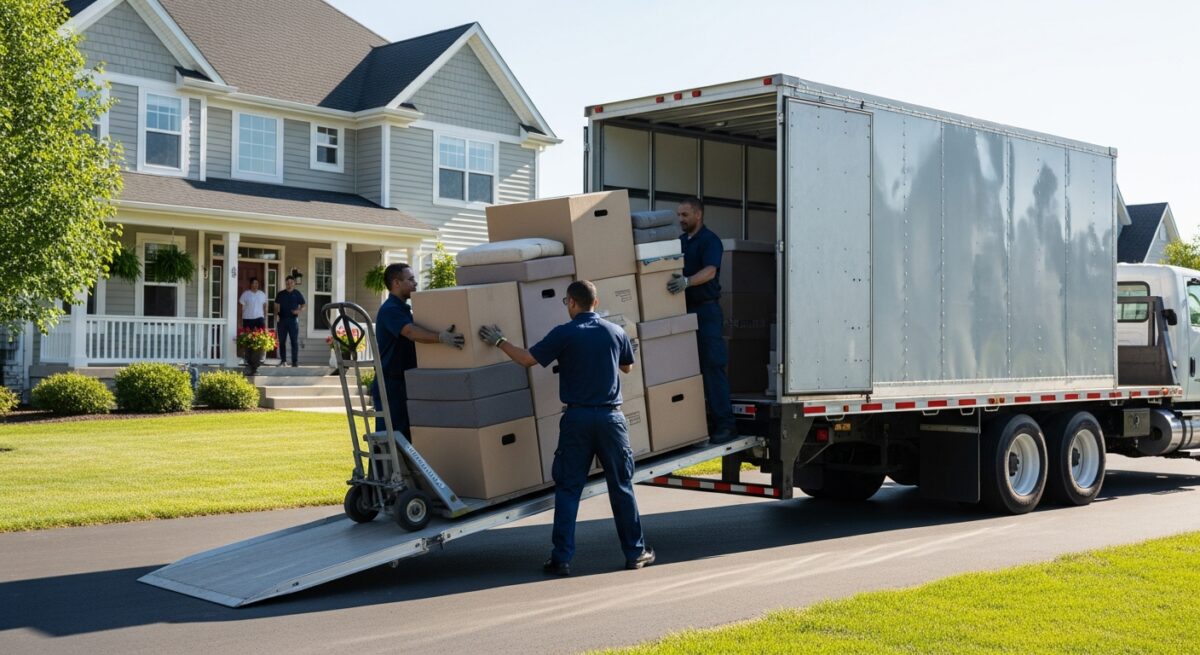
When planning a relocation, one of the first questions that comes to mind is how much it will actually cost. You have likely seen advertisements for portable storage containers that promise affordability and convenience. But without a clear breakdown, it is easy to underestimate the total expense. Understanding the container moving cost and what to expect and budget for each phase of the move is the key to avoiding surprise bills and staying in control of your finances. This guide walks you through every cost factor, from container rental fees to long-distance transport charges, so you can plan with confidence.
How Container Moving Pricing Works
Portable storage moving cost structures differ from traditional full-service movers because you pay for the container rental and transportation separately. Most companies charge a flat monthly fee for the container plus a per-mile or flat-rate fee for delivery and pickup. Some include a certain number of days in the base price, while others bill by the week. The key is to understand what is included in the quoted price and what is not.
For example, a typical 16-foot container might cost $150 to $300 per month to rent. Delivery and pickup fees often range from $100 to $300 each, depending on distance. If you are moving locally, the total container moving cost might land between $500 and $1,500. For long-distance moves, transportation fees increase significantly, often adding $1,000 to $4,000 or more. Always ask for an itemized quote that separates rental, delivery, pickup, and transport charges.
Factors That Influence Your Total Bill
Several variables affect the final price you pay. Knowing these in advance helps you choose the right services and avoid unnecessary expenses.
Container size is one of the most obvious factors. Companies offer 8-foot, 12-foot, 16-foot, and 20-foot containers. A smaller unit costs less per month but may not fit all your belongings, forcing you to rent a second container or leave items behind. On the other hand, renting a larger container than you need means paying for unused space. Take a careful inventory of your furniture and boxes before deciding.
Delivery location matters too. If you live on a narrow street or in a building without a driveway, the driver may need to use a forklift or place the container on the street with a permit. These special circumstances add fees. Storage duration also impacts cost. Most companies include a set number of days (often 14 to 30) in the base price. Exceeding that period triggers daily or weekly overage charges that can add up quickly.
Long-Distance Transport Fees
When moving across state lines, the container moving cost increases because the company must transport the container on a flatbed truck. This cost is typically calculated per mile, ranging from $1.50 to $4.00 per mile depending on the company and route. A move from New York to Florida (roughly 1,200 miles) could cost $1,800 to $4,800 for transport alone. Some companies offer a flat fee for popular routes, so it pays to shop around.
Another hidden factor is the cost of loading and unloading. Most container companies drop off the container and let you load it yourself. If you need help, you may hire local movers to pack the container, which adds $200 to $800 per hour depending on your location and the size of the crew. You can compare these expenses to the average moving cost for a full-service move to see which option fits your budget better.
Portable Storage vs. Full-Service Moving: Cost Comparison
To decide whether a container is right for you, compare the portable storage moving cost against a traditional full-service mover. Full-service movers handle packing, loading, transport, and unloading. Their quotes often range from $2,000 to $6,000 for a local move and $5,000 to $12,000 for a long-distance move. Containers typically cost less because you do the packing and loading yourself.
However, the savings come with trade-offs. You must coordinate the delivery and pickup dates, and you are responsible for protecting your items during loading. If you damage something, the container company’s liability is limited. Full-service movers often include valuation coverage that reimburses you for lost or damaged items. Consider whether the lower container cost is worth the extra effort and risk.
For those who want a middle ground, some container companies offer optional packing services or partner with local movers. This hybrid approach gives you the flexibility of a container with the convenience of professional loading help. The total cost still tends to be lower than a full-service move, but it requires more planning.
Hidden Fees and Extra Charges to Watch For
Even with a clear quote, unexpected fees can inflate your container moving cost. Here are common charges to ask about before signing a contract:
- Delivery window fee: Some companies charge extra if you need a specific delivery time rather than a general window.
- Storage overage: Daily fees for keeping the container longer than the included period, often $20 to $50 per day.
- Permit fees: If your city requires a street parking permit for the container, you may have to pay for it or the company may charge a fee to handle it.
- Fuel surcharge: Variable fuel costs may be passed on as a percentage of the transport fee.
- Re-delivery fee: If you need the container picked up and brought back because you were not ready, expect a fee equal to the original delivery charge.
Reading the fine print of your contract helps you anticipate these costs. Ask the company to provide a total estimated cost including all potential fees. A reputable company will be transparent about what you might owe.

How to Budget for Your Container Move
Creating a realistic budget starts with gathering quotes from at least three different container companies. Provide them with the same information: your zip code, destination zip code, estimated move date, and the size of container you need. Compare not just the base price but also the included days, overage charges, and transport fees.
Next, factor in the cost of packing supplies. You will need boxes, tape, bubble wrap, and markers. A typical household spends $100 to $300 on supplies. If you are moving fragile items like antiques or electronics, consider buying specialty boxes. You can find affordable kits at moving supply stores or online.
Do not forget to budget for moving insurance. Container companies offer limited liability, usually 60 cents per pound per item. That means a damaged $1,000 sofa might only be reimbursed for a few dollars. Third-party moving insurance costs 1% to 5% of the declared value of your goods. For a household worth $20,000, that is $200 to $1,000. It is a small price for peace of mind.
Tips to Reduce Your Container Moving Cost
You can lower your portable storage moving cost without sacrificing quality. Start by choosing a smaller container if you are willing to declutter. Sell or donate items you no longer need. Not only does this reduce the container size, but it also lowers the weight, which can affect transport fees.
Plan your move during off-peak seasons. Summer months and weekends are the busiest and most expensive. Moving in the fall or winter, and on a weekday, can save you 10% to 20% on rental and transport rates. Also, book your container as early as possible. Last-minute reservations often come with premium pricing.
Another strategy is to negotiate. Ask the company if they offer discounts for military, seniors, or AAA members. Some companies match competitors’ quotes or waive certain fees if you ask. Finally, consider sharing the container with a friend or neighbor if you are both moving to the same area. Splitting the transport fee can cut your costs significantly.
Frequently Asked Questions
Is container moving cheaper than hiring movers?
Generally, yes. Container moving costs are lower than full-service moving because you handle the loading and unloading. However, if you need professional packing help or have a very large household, the savings may be smaller. Compare quotes for your specific move to see the difference.
How far in advance should I book a container?
Book at least 4 to 6 weeks before your move date, especially during peak season. Popular companies sell out quickly. Early booking also gives you time to compare prices and avoid rush fees.
What happens if I keep the container longer than planned?
You will pay daily or weekly overage charges. These fees vary by company but typically range from $20 to $50 per day. Contact the company ahead of time if you need an extension to avoid automatic billing.
Can I move a container myself?
No. Only licensed and insured carriers can transport the containers. You cannot tow a portable storage container with a personal vehicle. The company handles all transportation.
Are there weight limits on containers?
Yes. Most 16-foot containers have a weight limit of 4,000 to 6,000 pounds. Exceeding this limit results in additional overweight fees. Ask for the maximum weight allowed and distribute heavy items evenly.
Understanding the container moving cost and what to expect and budget for is the best way to take control of your relocation expenses. By comparing quotes, asking about hidden fees, and planning your timeline carefully, you can enjoy the flexibility of portable storage without breaking the bank. Whether you are moving across town or across the country, a well-planned container move offers a cost-effective and convenient solution. Learn more