Storage Moving Costs and Monthly Pricing Guide Explained
Planning a move often involves a complex puzzle of logistics, and one of the most critical pieces is understanding the true cost of storage. Whether you need a temporary holding solution between closing dates, a place to keep belongings while downsizing, or long-term storage for seasonal items, the pricing landscape can be confusing. Many people are surprised by the final bill, which often includes far more than just a simple monthly rental fee. This guide will demystify storage moving costs and monthly pricing, providing a clear framework to budget accurately and avoid unexpected expenses. We will break down the components of portable storage container rates, traditional storage unit fees, and the often-overlooked ancillary charges that can significantly impact your total moving budget.
Understanding the Core Components of Storage Costs
Storage costs are rarely a single, flat fee. They are typically composed of several layered charges that vary by provider, location, duration, and the services you require. The first major distinction is between portable storage containers, often called “pods,” and traditional self-storage units. Portable container services usually combine delivery, rental, and pickup into their pricing model, while traditional storage focuses on the unit rental itself, often with separate fees for moving assistance. For both types, the primary cost driver is the size of the unit, measured in cubic feet or by rough room equivalents (e.g., 10’x10′ for a one-bedroom apartment). However, the base rental is just the starting point.
Beyond size, location plays a massive role. Storage facilities in dense urban centers or high-demand neighborhoods command premium prices compared to those in suburban or rural areas. Climate control is another significant factor, adding 20-50% to the monthly rental for protecting sensitive items from extreme temperature and humidity fluctuations. Insurance is almost always a required or strongly recommended add-on, and while some facilities include a basic level of coverage, you may need to purchase additional protection, especially for high-value items. Understanding these core components, the base rental, the size premium, the location surcharge, and the cost of add-ons like climate control, is essential for creating an accurate comparison.
Breaking Down Portable Storage Container (PODS) Pricing
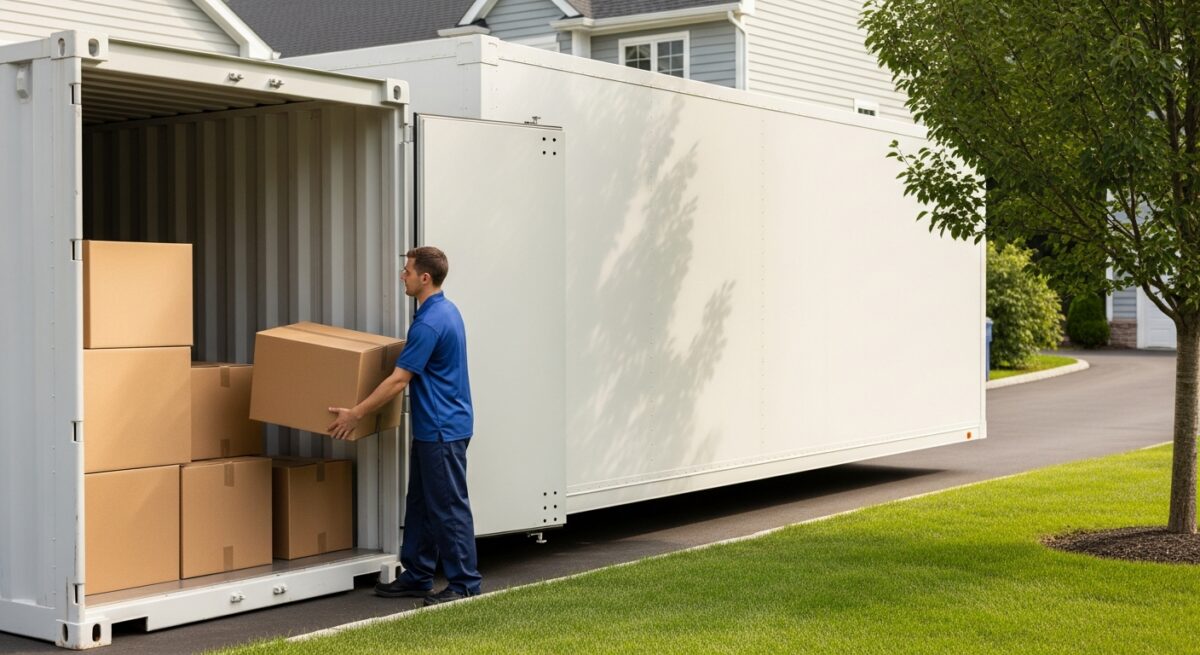
Portable storage containers offer unique convenience: the container is delivered to your door, you pack it at your own pace, and the company then transports it to a secure facility or directly to your new home. This convenience comes with a specific cost structure. The typical pods storage cost per month is not a standalone figure, it is part of a multi-phase invoice. First, you pay a one-time delivery and pickup fee. This can range significantly based on distance from the service center. Then, the monthly storage rental begins. Pods storage rates are influenced by container size (common sizes are 8-foot, 12-foot, and 16-foot), the duration of storage, and the market.
For example, a 16-foot container might have a higher base pods cost per month than a smaller one, but it could be more cost-effective if it prevents you from needing two smaller units. Many companies offer promotional first-month rates, but it is crucial to ask what the standard rate will be after the promotion ends. Furthermore, if you choose to have the container stored at your residence instead of a facility, local permitting and space requirements may apply, and this “on-site” storage is often more expensive than warehouse storage. Always request a detailed, all-inclusive quote that breaks down delivery, monthly rental, pickup/redelivery, and any potential mileage or weight fees for the transit portion. This holistic view is the only way to truly compare pod providers.
Traditional Self-Storage Unit Monthly Fees
Renting a unit at a storage facility follows a different model. Here, the primary focus is the monthly rental fee for the space itself. You are responsible for transporting your items to and from the facility. Costs vary dramatically by unit size, from small 5’x5′ lockers for boxes to large 10’x30′ units for entire household contents. Like with pods, climate-controlled units are more expensive. Many facilities require an initial administrative fee and a security deposit, which may or may not be refundable. A critical, often hidden cost is the mandatory insurance proof; if you cannot provide your own policy (often through your homeowner’s or renter’s insurance), you must purchase the facility’s policy.
Long-term contracts can sometimes lock in a lower monthly rate, while month-to-month agreements offer flexibility at a higher price. Be vigilant about potential rate increases after an initial rental period. It is also wise to inquire about access hours, as 24/7 access might come at a premium. When budgeting, factor in the cost of renting a moving truck or hiring labor to transport items to the facility, a cost that is bundled into portable container services but separate here. For a detailed look at budgeting for the transportation side of your move, our guide on long distance moving costs and what to expect provides essential context.
Hidden Fees and How to Avoid Them
Unexpected fees are the primary culprit for blown moving budgets. By knowing what to look for, you can ask the right questions and avoid surprises. Common hidden fees in storage include lock purchase fees (some facilities require you to buy their specific lock), late payment penalties, and fees for paying your bill with a credit card. For portable containers, watch for excess mileage fees if your new home is beyond a certain distance from the storage center, or fees for keeping the container on your property beyond the allotted loading/unloading period. There may also be fees for needing a parking permit from your city for the container.
To avoid these pitfalls, always read the rental agreement thoroughly before signing. Ask the representative to explicitly list every potential fee in writing. Get a “total cost” projection for your expected storage timeline, not just the first month. Confirm the policy on rate increases and the required notice period for vacating the unit. By being proactive and treating the fine print as part of your storage moving costs and monthly pricing guide research, you transition from a reactive customer to an informed planner. This diligence is a key part of any strategy to plan a smooth home relocation.
Strategic Tips to Minimize Your Storage Expenses
Smart planning can significantly reduce your overall storage expenditure. The first and most effective strategy is to purge aggressively before you store. The less you store, the smaller the unit you need, directly lowering your monthly pods storage rates or traditional unit fees. Sell, donate, or discard items you no longer need. Next, pack efficiently. Use uniform boxes and pack them tightly to maximize the use of cubic space. Disassemble large furniture to create a more compact load. This efficient packing might allow you to choose a smaller, cheaper storage container.
Shop around and time your move if possible. Demand for storage often peaks at the end of the month and during summer months, which can drive up prices. Booking well in advance or moving during the off-season (fall, winter) can yield better rates. Consider the location strategically: a facility 15 minutes outside the city center can be substantially cheaper than one downtown. Finally, negotiate. While not always advertised, many storage managers have the authority to offer discounts, waive administrative fees, or match competitors’ quotes, especially if you are committing to a longer rental period. It never hurts to ask.
Frequently Asked Questions
How far in advance should I reserve a storage unit or container?
You should reserve as soon as you know your moving date, ideally 4-8 weeks in advance, especially for peak moving seasons. This ensures availability and may lock in a better rate.
What is typically not covered by storage facility insurance?
Most basic policies exclude damage from pests, mold, or gradual deterioration. They also may not cover high-value items like jewelry, art, or collectibles unless specifically declared and added to the policy. Always review the coverage limits and exclusions.
Can I access my belongings while they are in a portable storage container?
If the container is stored at your home, access is typically easy. If it’s stored at the company’s warehouse, access is usually restricted. You must schedule an appointment to visit the warehouse, which may incur a fee, and you can only access items from the container’s door.
Are there items I am prohibited from storing?
Yes. Prohibited items almost always include hazardous materials (paint, chemicals, gasoline), perishables, plants, animals, firearms, and illegal items. Storing these can void your contract and lead to immediate removal of your unit.
How do I calculate what size storage unit I need?
Most company websites have size guides. As a rule of thumb, a 5’x5′ unit holds boxes and small items, a 10’x10′ unit holds the contents of a one-bedroom apartment, and a 10’x20′ can hold a three-bedroom house’s contents. When in doubt, consult with the facility manager.
Navigating storage moving costs requires a shift from seeing a single monthly number to understanding a dynamic pricing ecosystem. By dissecting the components of portable container and traditional unit pricing, vigilantly identifying hidden fees, and employing strategic cost-saving measures, you can transform storage from a budgetary black hole into a manageable, planned expense. This knowledge empowers you to make confident decisions, allocate funds accurately, and ultimately reduce the financial stress of your relocation. Remember, the most cost-effective storage solution is the one that perfectly balances your space, access, and protection needs with a transparent and predictable price tag.