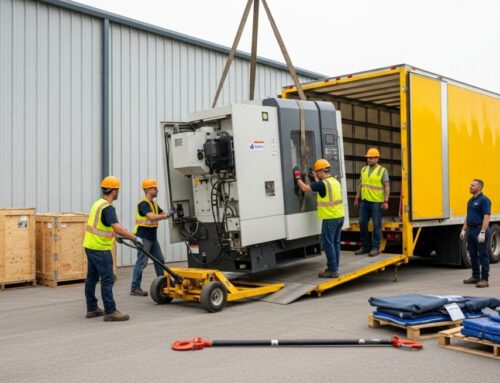
Storage Building Movers and Relocation Services Explained
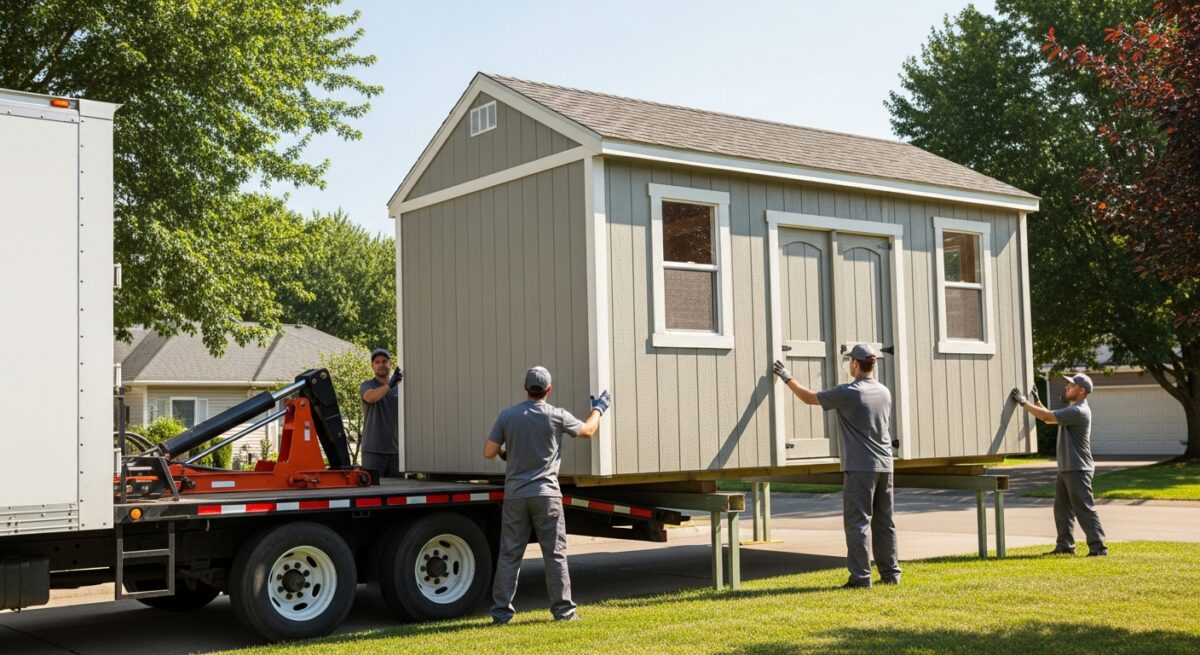
Moving a storage building is not like moving a sofa or a piano. Whether you own a backyard shed, a portable workshop, or a large prefabricated garage, relocating that structure requires specialized equipment, careful planning, and professional know-how. Many homeowners and business owners assume they can simply disassemble the building or tow it themselves. That assumption often leads to structural damage, permit violations, or costly delays. Understanding how storage building movers operate, what relocation services include, and when to hire a professional can save you thousands of dollars and countless headaches.
This article breaks down everything you need to know about moving a storage building. We cover the types of structures that can be relocated, the step-by-step process used by professionals, cost factors, permit requirements, and common mistakes to avoid. By the end, you will have a clear roadmap for your next shed or portable building move.
What Are Storage Building Movers?
Storage building movers are specialized contractors who handle the lifting, transporting, and repositioning of pre-built structures such as sheds, garages, workshops, and portable storage units. Unlike general moving companies that focus on household goods, these professionals have the heavy equipment, trailers, and training required to move an entire building without damaging its foundation, roof, or walls.
Many people confuse storage building movers with portable building movers. While the terms overlap, portable building movers typically focus on smaller, factory-built structures that can be towed on a flatbed trailer. Storage building movers often handle a wider range of sizes and construction types, including custom-built sheds, metal garages, and even large commercial storage units. Both categories fall under shed moving services, but the scope of work can vary significantly based on the building’s dimensions, weight, and location.
When Should You Hire a Professional?
You should consider hiring a professional mover if your building exceeds 120 square feet, if it is anchored to a concrete slab, or if the relocation involves navigating narrow gates, slopes, or overhead power lines. DIY attempts with a pickup truck and a rented trailer often result in cracked walls, broken windows, or collapsed roofs. In our guide on do movers disassemble furniture, we explain how professional crews handle complex disassembly tasks. The same principle applies to storage buildings: if the structure is too large to move in one piece, a professional will know how to safely dismantle, transport, and reassemble it.
The Step-by-Step Process of Relocating a Storage Building
Professional storage building movers follow a systematic process to ensure the structure arrives intact and ready for use. While every move is unique, most projects follow these core stages:
1. Site Inspection and Measurement. The moving crew visits both the current location and the destination. They measure doorways, gates, and access paths. They also check for obstacles such as trees, utility lines, and uneven terrain. This inspection determines whether the building can be moved in one piece or if partial disassembly is required.
2. Permits and Legal Clearance. Many municipalities require a moving permit for any structure wider than 8.5 feet or longer than 40 feet. The mover typically handles this paperwork, but you should confirm who is responsible. Some areas also require escorts or road closure approvals for oversized loads.
3. Disconnection and Preparation. If the building has electrical wiring, plumbing, or gas lines, a licensed contractor must disconnect those utilities. The movers then clear the interior and exterior of loose items, remove doors or windows if necessary, and brace the structure with steel straps or wooden supports.
4. Lifting and Loading. Using hydraulic jacks, dollies, or a crane, the crew lifts the building off its foundation. They slide steel beams or a specialized trailer underneath. For smaller sheds, a tilt-bed truck may suffice. For larger structures, a multi-axle trailer with air suspension is used to minimize vibration.
5. Transport. The crew drives the load to the new site at low speeds, often with a police escort. They avoid highways if the building is oversized and take routes that have been pre-approved by local authorities.
6. Placement and Leveling. At the destination, the building is lowered onto a new foundation or skids. The crew levels the structure, reattaches any removed components, and performs a final inspection to ensure windows and doors operate correctly.
Types of Storage Buildings That Can Be Moved
Not every storage building is a candidate for relocation. The following types are commonly moved by professionals:
- Wooden sheds and workshops: These are the most common. Their lightweight framing makes them easier to lift, but they require careful bracing to prevent racking (twisting).
- Metal garages and carports: Steel structures are heavy and often bolted to concrete. Movers must unbolt the frame and sometimes remove roof panels to reduce weight.
- Portable storage containers: These are designed for stacking and transport. Movers use a flatbed truck and a forklift or crane.
- Prefabricated garden sheds: Many of these come in kit form. If the original foundation is not reusable, the mover may place the shed on new concrete blocks or a gravel pad.
- Custom-built barns and outbuildings: These require the most planning. The mover may need to cut the building into sections, transport them separately, and reassemble them on-site.
Buildings that are permanently anchored to a poured concrete foundation or that have extensive internal finishes (drywall, insulation, electrical panels) are more challenging and expensive to move. In some cases, the cost of relocation approaches the cost of new construction. A professional can help you decide whether moving is worth the investment.
Cost Factors for Storage Building Relocation
The price of hiring storage building movers varies widely. A simple shed move within the same property might cost $500 to $1,500. A long-distance move of a large metal garage could run $3,000 to $8,000 or more. The following factors influence the final quote:
- Distance: Local moves (under 50 miles) are cheaper per mile. Long-distance moves add fuel costs, driver time, and overnight fees.
- Size and weight: Larger buildings require bigger equipment, more crew members, and potentially a crane. Weight also affects whether a special permit or escort is needed.
- Access difficulty: Narrow driveways, steep slopes, soft ground, or low-hanging trees increase labor time and the risk of damage, raising the price.
- Disassembly and reassembly: If the building must be taken apart and put back together, expect to pay an additional $500 to $2,000 depending on complexity.
- Permits and escorts: Permit fees vary by municipality. Police or pilot car escorts add $50 to $150 per hour.
- Season and demand: Spring and summer are peak moving seasons. Rates may be 10 to 20 percent higher during these months.
Always request a written estimate that itemizes these costs. Avoid companies that give a flat rate without an on-site inspection. Hidden fees for travel time, fuel surcharges, or disposal of old foundations can inflate the final bill unexpectedly.
Permits, Regulations, and Legal Considerations
Moving a storage building is not just a physical challenge. It also involves legal and regulatory hurdles. Most cities and counties require an oversize load permit if the building exceeds standard road limits. Additionally, you may need a building permit for the new foundation or placement location. Here are the key legal points to address before moving day:
- Road permits: Contact your local department of transportation (DOT) or municipal engineering office. They will specify the route, time of day, and escort requirements.
- Utility locates: Call 811 or your local utility marking service. Underground gas, water, and electric lines must be marked before any equipment is driven across the property.
- Homeowners association (HOA) approval: If you live in a community with CC&Rs, check whether the new placement location complies with setback rules, height limits, and aesthetic guidelines.
- Zoning and building codes: Some areas restrict the placement of sheds near property lines or easements. A building permit may be required if the structure exceeds a certain square footage.
- Liability and insurance: Verify that the moving company carries liability insurance and workers’ compensation. Ask for a certificate of insurance before they start work.
Failing to secure the proper permits can result in fines, a stop-work order, or even a requirement to remove the building. A reputable mover will advise you on these requirements, but the ultimate responsibility often falls on the property owner.
How to Choose the Right Storage Building Mover
Selecting a reliable contractor is the most important decision you will make during this process. Use the following criteria to evaluate candidates:
- Experience with similar structures: Ask how many buildings of your type (wood, metal, portable) they have moved in the past year. Request photos or references.
- Proper licensing: In most states, movers must have a state or local business license. Some states also require a specific moving or heavy-haul license.
- Insurance coverage: At minimum, the company should have general liability insurance and cargo insurance. This protects you if the building is damaged during transport.
- Written contract: The contract should include the total price, scope of work, timeline, and a clause for unforeseen obstacles (e.g., hidden utility lines or weather delays).
- Equipment condition: Visit the company’s yard if possible. Look for well-maintained trailers, jacks, and safety gear. Worn-out equipment increases the risk of accidents.
Get at least three quotes. Be wary of any company that demands a large deposit upfront. Industry standard is 10 to 25 percent down, with the balance due upon completion. Also, read online reviews on platforms like Google, Yelp, or the Better Business Bureau. Look for patterns in complaints: late arrivals, hidden fees, or damaged property are red flags.
Common Mistakes to Avoid When Moving a Storage Building
Even with professional help, certain pitfalls can derail a storage building move. Being aware of them will help you stay ahead of problems:
- Skipping the site prep: The new location must be graded, compacted, and free of debris. If you place the building on unlevel ground, doors will stick, water will pool, and the foundation may shift.
- Ignoring overhead clearance: Measure the height of the building and compare it to the clearance under power lines, tree branches, and bridges. A difference of just a few inches can cause a collision.
- Not securing the building interior: Loose tools, shelving, or stored items can shift during transport and damage the walls. Remove everything or secure it with straps.
- Assuming insurance covers everything: Your homeowner’s policy may not cover damage to a detached structure during a move. Ask your insurance agent whether you need a separate rider.
- Rushing the timeline: Weather, permit delays, and equipment breakdowns are common. Build a buffer of at least one week into your schedule.
By avoiding these missteps, you increase the likelihood of a smooth, damage-free move.
Frequently Asked Questions
Can I move a storage building myself?
It is possible for very small sheds (under 100 square feet) that are not anchored to a foundation. You can use a flatbed trailer and a winch. However, for any building larger than that, or if you have limited experience with heavy equipment, hiring a professional is safer and often cheaper in the long run.
How long does a storage building move take?
A local move typically takes one to three days. Day one is for preparation and disconnection. Day two is for lifting, transporting, and placing. Day three is for leveling and finishing work. Long-distance moves can add several days for travel time.
Will the building be damaged during the move?
Professional movers take precautions such as bracing walls, using padded straps, and driving at low speeds. Minor cosmetic damage (scratches, small dents) is possible but uncommon. Structural damage is rare when experienced movers are used.
Do I need to empty the shed before the move?
Yes. All loose items should be removed. Heavy items like workbenches or tool chests should be emptied or bolted to the floor. The mover will inspect the interior before lifting.
Can a metal garage be moved intact?
It depends on the design. Some metal garages are bolted together and can be unbolted, moved in sections, and reassembled. Others are welded or have concrete footings that make intact movement difficult. A structural inspection is recommended.
Final Thoughts on Storage Building Relocation
Moving a storage building is a complex but manageable project when you work with qualified professionals. The key is to plan ahead, secure the right permits, and choose a mover who understands the specific challenges of your structure. Whether you are relocating a backyard shed to make room for a garden or moving a portable workshop to a new job site, the principles remain the same: measure twice, move once. By following the guidance in this article, you will save time, money, and frustration. For additional resources on moving and relocation, including tips on packing and choosing a mover, explore the articles on Moving.Homes. And if you are exploring options to refinance your vehicle to free up cash for your move, that is another way to budget effectively for this project.