Do Movers Disassemble Furniture? A Complete Guide to Services
You’re staring at your large sectional sofa, your king-size bed frame, or your bulky office desk, and a single, pressing question forms: will the moving company take this apart, or are you on your own? The short answer is yes, professional movers can and often do disassemble furniture. However, this service is not a universal given. It hinges on the type of moving service you book, the specific policies of your chosen company, and clear communication during the estimate and booking process. Understanding the nuances of this common moving task is crucial for a smooth, damage-free relocation and can be the difference between a stressful moving day and a seamless transition into your new home.
What Furniture Disassembly Services Typically Include
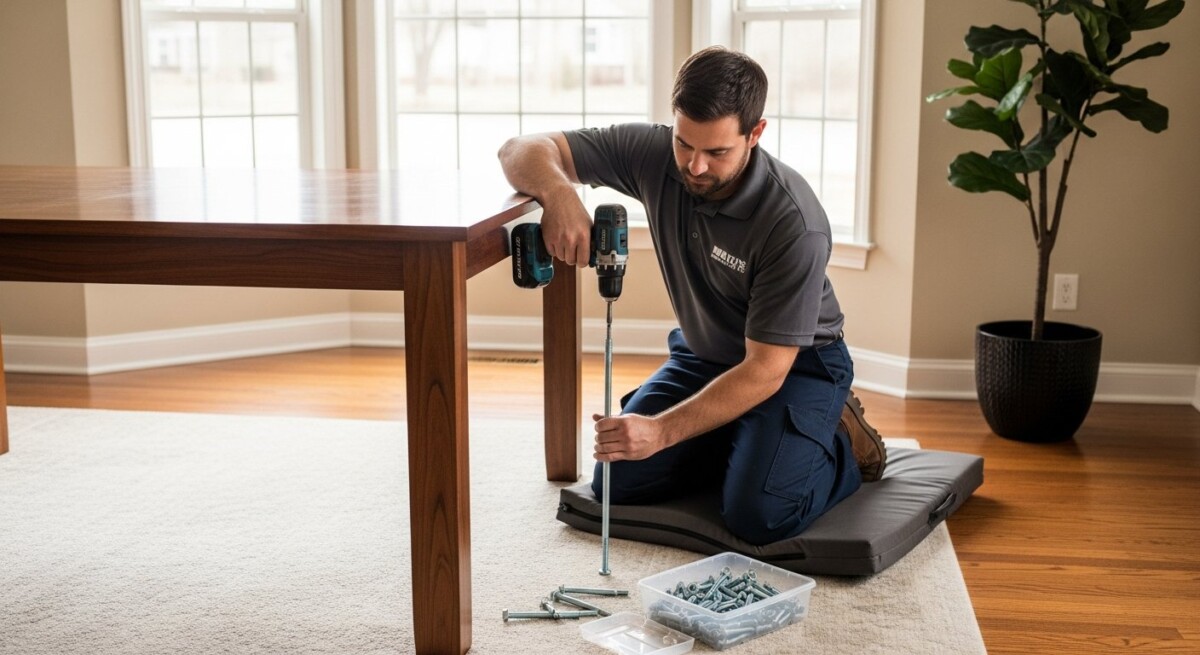
When you hire full-service movers, furniture disassembly and reassembly are standard components of the package. This service is designed to protect your belongings and the movers themselves, as well as to ensure that large items can safely navigate doorways, staircases, and elevators. Professional movers are trained to systematically break down common household items. This typically involves removing legs from tables and sofas, detaching headboards and footboards from bed frames, taking apart modular shelving units, and separating table leaves. They come equipped with the necessary tools, such as socket sets, screwdrivers, hex keys, and rubber mallets, and they use a methodical process to keep all hardware organized. Small parts like screws, bolts, and brackets are placed in labeled plastic bags and taped securely to the corresponding furniture piece or collected in a dedicated hardware box. This meticulous attention to detail is what prevents the infamous “extra parts” phenomenon upon reassembly.
The Critical Role of Your Moving Estimate
The moving estimate, whether conducted in-person or via video survey, is your primary opportunity to define the scope of work. This is when you must point out every item you believe requires disassembly. A professional estimator will assess each piece, noting its construction, size, and the access points in your current and future home. This assessment directly influences the final quote. Disassembly and reassembly add labor time, which is a key factor in the overall cost. If you fail to mention a large, complex item during the estimate, you risk a surprise bill on moving day, as the crew may need to charge an additional fee for the unexpected labor. Transparency during this stage ensures an accurate quote and sets clear expectations for both parties. For a deeper dive into the estimate process and selecting the right team, our guide to choosing local residential movers outlines the essential steps.
Items Movers Commonly Disassemble and Reassemble
Most moving companies have a standard list of items they routinely handle. These are typically pieces that are structurally designed to be taken apart or are too bulky to move intact.
- Bed Frames: Especially wooden or metal frames with headboards, footboards, and side rails. Platform beds with slats are also commonly broken down.
- Large Tables: Dining room tables with removable legs or extension leaves. Desks, particularly L-shaped or executive desks, often require disassembly.
- Modular Furniture: Sectional sofas, modular shelving units (like IKEA PAX or BILLY), and entertainment centers.
- Exercise Equipment: Treadmills, weight benches, and some multi-gyms are designed for disassembly.
- Pianos: Grand pianos always require professional disassembly of the legs and lyre. Upright pianos may be moved intact but require special techniques.
It is important to discuss any atypical or antique furniture during the estimate. Delicate, custom-built, or very old pieces may require special handling or even the involvement of a specialist, which your moving coordinator can help arrange.
What Movers Usually Will Not Disassemble
There are clear boundaries to a standard mover’s disassembly services, primarily centered on electrical components, complex plumbing, and permanently installed fixtures. Understanding these limits prevents frustration on moving day. Generally, movers will not disconnect or disassemble major appliances like refrigerators, washing machines, or dishwashers from their water, gas, or electrical lines. This is a liability issue and often requires a licensed technician. They also will not take apart built-in furniture that is screwed or nailed into the structure of the home, such as custom bookcases or kitchen banquettes. Similarly, large outdoor play sets anchored in concrete or complex lighting fixtures wired into the home’s electrical system fall outside standard moving services. For these tasks, you will need to hire the appropriate contractor or handle the disconnection yourself well before the movers arrive.
Pre-Move Preparation: Steps You Should Take
Even when you’ve booked full-service movers, your preparation is key to a smooth process. First, empty all furniture completely. Remove all clothes from dressers, books from shelves, and dishes from hutches. Most moving companies have policies against moving furniture that is full, both for weight reasons and to prevent damage to the contents and the piece itself. Second, do a walk-through with your estimator and again with the crew chief on moving day, clearly identifying every item to be disassembled. Third, if you have the original assembly manuals for complex items, have them available for the crew. Fourth, secure and protect any items you do not want moved. Finally, ensure clear pathways in your home for the movers to work. Moving large furniture pieces apart requires space, so moving smaller items out of the way in advance can save significant time.
Costs, Insurance, and Liability Considerations
Disassembly and reassembly services are almost always included in the hourly rate for local moves or factored into the total weight and services cost for long-distance moves. There is rarely a separate line item fee, but the labor time required will impact your final bill. This makes accurate estimation so vital. From an insurance perspective, when professional movers disassemble and reassemble your furniture, any damage that occurs during that process or transit is typically covered under their released value protection or full-value protection plan, depending on your selection. However, if you disassemble an item yourself and it is damaged during the move, the mover may not be liable, arguing that improper packing or disassembly led to the damage. Furthermore, if movers reassemble an item and it later collapses due to a pre-existing flaw or their error, liability can be complex. This underscores the importance of using experienced, insured professionals. To understand all the services that might be included in your move, you can explore our article on full-service moving and packing options.
DIY Disassembly vs. Professional Service: Making the Choice
You might consider disassembling furniture yourself to save time or money on moving day. This can be a prudent choice for simple items like basic bed frames or table legs. If you go the DIY route, be meticulous: use the right tools, take photos during each step to aid reassembly, and place all hardware in a sealed, labeled bag attached to the furniture. However, for complex, heavy, or expensive items, the professional service is overwhelmingly worth the cost. Movers have the expertise to identify stress points and the proper disassembly sequence. They assume the risk of damage during the process and have the manpower to handle heavy components safely. Perhaps most importantly, they save you immense time and physical effort on what is already a demanding day. When budgeting for your move, consider this service not as an extra cost, but as an investment in the safety of your furniture and your own peace of mind. To start comparing costs and services from reputable providers, you can always get a free moving quote to see what is included.
Frequently Asked Questions
Do I need to tell movers in advance about furniture that needs disassembly?
Yes, absolutely. This must be discussed during the initial in-home or video estimate. It affects the labor time calculation and the final quote. Surprises on moving day can lead to delays and additional charges.
Will movers reassemble furniture in the new home?
Yes, standard full-service includes reassembly in the new home. The crew will place items in your designated rooms and put them back together, provided it was part of the original agreed-upon scope.
What if I lost the screws or instructions for my furniture?
Inform the moving crew. Professional movers often carry a supply of common hardware and can usually reassemble standard items. For unique or complex pieces, they may advise you to contact the manufacturer for replacement parts.
Is there furniture movers absolutely will not take apart?
Generally, movers will not disassemble items that involve utilities (gas, water, electricity), are permanently built-in, or are deemed too fragile or risky by the crew foreman. Antique furniture with intricate inlays or veneers may also be moved intact with special padding.
Can I request that movers not disassemble a particular item?
Yes, you have the final say. If you prefer an item be moved intact, even if it’s a tight fit, you can instruct the crew. They will typically advise you of the potential risks but will follow your direction.
The question of whether movers can disassemble furniture opens the door to a broader understanding of professional moving services. It highlights the importance of clear communication, accurate estimates, and knowing the limits of both DIY and professional help. By partnering with a reputable full-service moving company and discussing your needs transparently, you can ensure that your furniture, from the simplest bookcase to the most complex heirloom, is handled with the care and expertise it deserves, allowing you to focus on the excitement of settling into your new home.