Specialized Item Handling: Move Art, Antiques & More
Moving a home involves far more than boxing up dishes and hauling furniture. For many households, the most stressful part of relocation is figuring out how to transport items that are fragile, oddly shaped, or irreplaceable. Whether it is a grand piano, a hand-blown glass chandelier, or a vintage grandfather clock, these possessions demand a level of care that standard moving boxes and bubble wrap simply cannot provide. This is where specialized item handling becomes essential. It is the difference between arriving at a new home with your treasures intact and dealing with the heartbreak of a broken heirloom. Understanding how to approach these delicate items can save you thousands of dollars in repair costs and, more importantly, preserve the sentimental value that no insurance payout can replace.
Specialized item handling is not just about extra padding. It involves a comprehensive strategy that includes assessment, custom packing, secure loading, and careful transportation. Professional movers who offer this service use specific techniques and materials designed for unique objects. For homeowners and renters planning a move, knowing when and how to request this service is critical. This guide will walk you through the key categories of items that require special attention, the methods professionals use, and how to ensure your valuables arrive safely. By the end, you will have a clear roadmap for handling your most prized possessions during your next relocation.
What Qualifies as a Specialized Item?
Not every item in your home needs white-glove treatment. Specialized item handling is reserved for objects that present a unique challenge due to their size, weight, fragility, material composition, or monetary value. The goal is to prevent damage that can occur from standard moving practices, such as stacking boxes on top of furniture or using generic packing materials that do not offer adequate protection. Identifying these items early in your moving plan is the first step toward a successful relocation.
Common categories of specialized items include fine art, antiques, musical instruments, electronics with large screens, marble or stone surfaces, and oversized furniture. Each category has its own set of risks. For example, an oil painting can be ruined by heat or moisture, while a marble countertop can crack under its own weight if not properly supported. Recognizing these risks allows you to plan accordingly. If you own items that fall into any of these categories, you should budget for professional specialized item handling services to ensure they are moved without incident.
Fine Art and Antiques
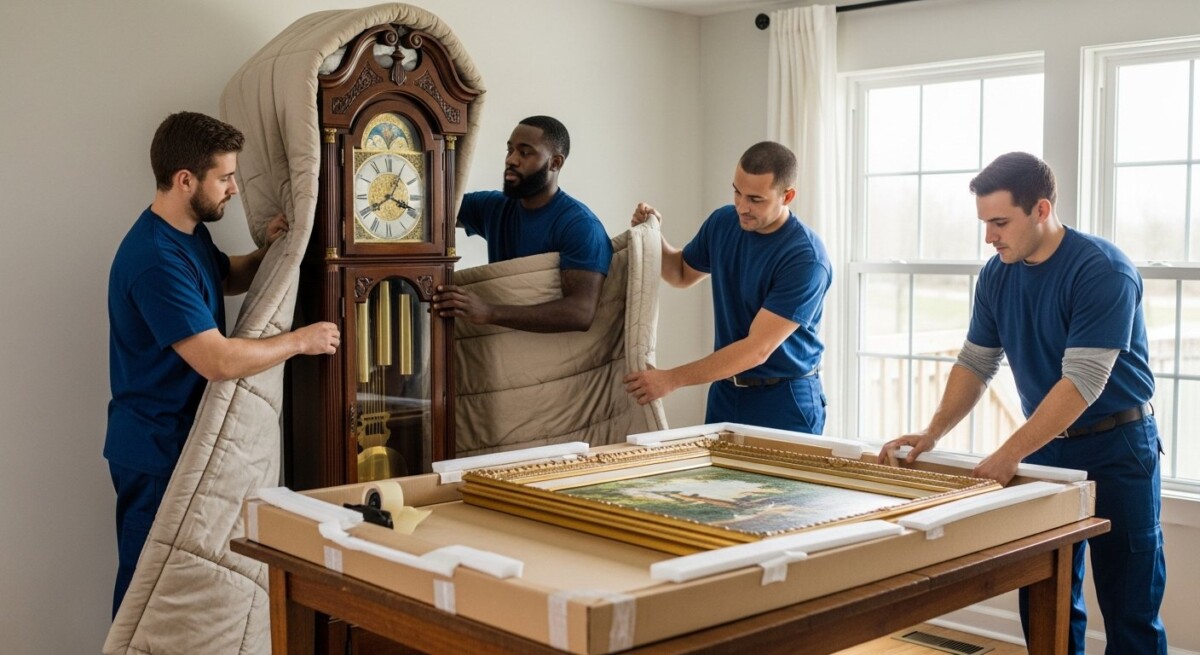
Original paintings, sculptures, and antique furniture require a delicate touch. These items are often one-of-a-kind and can be extremely difficult to repair or replace. Professionals use acid-free tissue paper, foam corner protectors, and custom-built wooden crates to keep art and antiques safe. They also control the environment during transport, avoiding extreme temperatures that can cause wood to warp or paint to crack. For extremely valuable pieces, some movers offer climate-controlled trucks and insurance assistance to cover potential loss. When moving a collection of fine art, it is wise to document each piece with photographs and appraisals before the move begins.
Musical Instruments and Electronics
Pianos, cellos, and vintage guitars are sensitive to both impact and humidity. A piano, for instance, can weigh several hundred pounds and has delicate internal strings that can go out of tune with the slightest jolt. Specialized item handling for musical instruments often involves using padded skid boards, moving blankets, and straps to secure the instrument inside the truck. Similarly, large televisions and home theater systems are prone to screen damage if laid flat or stacked. Professional movers transport these items upright in dedicated boxes with foam inserts. This level of care prevents costly repairs and ensures your equipment works properly upon arrival.
The Professional Packing Process
Once you have identified your specialized items, the next step is packing them correctly. The packing process for these items is far more involved than wrapping a coffee mug in newspaper. It begins with an assessment by a trained mover who examines the item for existing damage and determines the best materials and techniques. This assessment is crucial because it creates a baseline for any potential claims and ensures the right packing strategy is used. After the assessment, the mover selects materials that match the item’s needs, such as custom foam cuts for a chandelier or a double-walled cardboard box for a large mirror.
The actual packing involves multiple layers of protection. For example, a large painting might first be wrapped in a dust-free blanket, then covered in plastic sheeting to block moisture, and finally placed inside a picture box with corner guards. This layered approach is the hallmark of professional specialized item handling. It is not about using more material; it is about using the right material in the right order. After packing, items are often labeled with special handling instructions and loaded onto the truck in a specific sequence to avoid crushing or shifting during transit. This systematic approach gives you peace of mind that your belongings are in capable hands.
Why Professional Handling Matters
Many people attempt to move their own specialized items to save money, only to find themselves with broken valuables and regret. The reality is that the cost of replacing a damaged antique or repairing a scratched grand piano often far exceeds the cost of hiring a professional moving service. Professional movers bring more than just muscle to the job; they bring knowledge and equipment that most homeowners do not have access to. For instance, they carry specialized dollies for heavy statues, straps for securing items in transit, and ramps for navigating stairs. This equipment reduces the physical risk to both the movers and the items themselves.
Another major benefit of professional handling is liability. When you move items yourself, any damage is your responsibility to fix. Professional moving companies, particularly those that offer specialized item handling, provide valuation coverage or full insurance options. This means if something goes wrong, you are not left paying out of pocket. As noted in our guide on Handling Large Furniture, having a professional team manage the logistics of bulky and fragile items can prevent injuries and property damage. For valuable or sentimental items, this protection is invaluable.
Key Services to Look For
When selecting a moving company for specialized items, not all providers are equal. You should look for specific services that indicate a high level of expertise. These services go beyond basic moving and demonstrate a commitment to protecting your valuables. Before signing a contract, ask the moving company about their experience with items similar to yours and request a detailed list of the materials and methods they will use. A reputable company will be transparent about their process and happy to answer your questions.

Here are the key services you should expect from a provider offering specialized item handling:
- Custom Crating: Builds wooden crates tailored to the exact dimensions of your item, providing maximum protection against impact and crushing.
- White-Glove Delivery: Includes unpacking, assembly, and placement of items in your new home, ensuring everything is set up properly.
- Climate-Controlled Transport: Maintains a stable temperature and humidity level inside the truck, protecting sensitive materials like wood, canvas, and electronics.
- Insurance and Valuation: Offers full-value protection or separate policies to cover the replacement cost of high-value items in case of damage or loss.
- Inventory Tracking: Uses digital barcodes or detailed checklists to monitor each item from pickup to delivery, reducing the risk of misplacement.
These services collectively create a safety net for your most important possessions. While they may add to the overall cost of your move, they are often worth the investment for items that are difficult or impossible to replace. When you compare the cost of these services to the emotional and financial cost of losing a family heirloom, the value becomes clear.
Preparing Your Items for the Move
Even with professional help, there are steps you can take to prepare your specialized items for moving day. Your preparation can make the movers’ job easier and further reduce the risk of damage. Start by gathering any original packaging you have for electronics or fragile items. Original boxes are designed with custom foam inserts that offer the best protection. If you no longer have the original packaging, do not worry. The movers will bring professional-grade materials, but you can help by clearing a path and ensuring the items are accessible.
Next, take the time to photograph or video each specialized item from multiple angles. This documentation serves as proof of condition before the move. Store these images in a safe place, such as a cloud drive or an email to yourself. You should also remove any loose parts from furniture or art, such as detachable legs from a table or the hardware from a chandelier. Place these small parts in a labeled bag and tape it to the item itself. This simple step prevents small pieces from getting lost during the chaos of moving day. Finally, communicate clearly with your moving team about which items require specialized item handling and where you want them placed in your new home.
Frequently Asked Questions
How much does specialized item handling cost?
Costs vary widely based on the item’s size, weight, fragility, and value. Custom crating for a large painting can range from $100 to $500, while moving a grand piano may cost several hundred dollars more than standard furniture. Always request a detailed quote that breaks down these costs before the move.
Can I pack specialized items myself to save money?
While you can pack them yourself, doing so voids most moving company insurance policies if damage occurs. Professionals have access to specialized materials and techniques that significantly reduce risk. For valuable items, it is safer to let the experts handle the packing.
What happens if my item is damaged during the move?
If you have purchased valuation coverage or separate insurance, you can file a claim with the moving company. Document the damage immediately with photos and notify the mover within the timeframe specified in your contract. Most companies have a claims process that will reimburse you based on the agreed-upon value of the item.
Moving your most treasured possessions does not have to be a source of anxiety. With the right preparation and a professional team that specializes in handling delicate and valuable items, you can ensure your belongings arrive safely at your new home. Specialized item handling is an investment in the preservation of your family history and the integrity of your valuable assets. For those looking to manage the financial side of a move, exploring options like car loan refinancing can free up funds to cover these essential services, ensuring you can afford the care your items deserve.
Ultimately, the goal of any move is to begin a new chapter in your life without the burden of lost or damaged belongings. By taking a proactive approach to specialized item handling, you transform a potential point of stress into a seamless part of your relocation. Whether you are moving across town or across the country, remember that your items are more than just objects. They are memories, investments, and pieces of your story. Treat them with the care they deserve, and your new home will feel complete from the moment you walk through the door.