Smart Packing Strategies and Tips for a Stress-Free Move
Moving is one of the most stressful life events, and packing often sits at the heart of that chaos. The difference between a smooth relocation and a frantic disaster often comes down to how you approach the packing process. Without a clear plan, you can end up with overflowing boxes, damaged belongings, and a mountain of wasted time. Fortunately, proven packing strategies and tips exist to transform this daunting chore into an organized, efficient operation. By adopting a systematic approach, you can protect your possessions, save money on supplies, and arrive at your new home ready to settle in quickly.
Effective packing is not about speed alone. It is about making smart decisions that pay off on moving day and beyond. Careful planning reduces the risk of breakage, simplifies unpacking, and even helps you decide what truly deserves space in your new home. This guide walks you through every stage of the process, from gathering the right materials to mastering the art of packing fragile items. Whether you are moving across town or across the country, these actionable insights will help you pack smarter, not harder.
1. Gather Your Packing Supplies Strategically
Before you tape a single box, you need the right tools. Skimping on supplies often leads to damaged items or wasted time. Start by collecting a variety of box sizes. Small boxes work best for heavy items like books and canned goods. Medium boxes handle kitchen gadgets, toys, and linens. Large boxes are ideal for lightweight, bulky items such as bedding and pillows. Avoid overloading large boxes with heavy objects, as they become impossible to lift and prone to breaking.
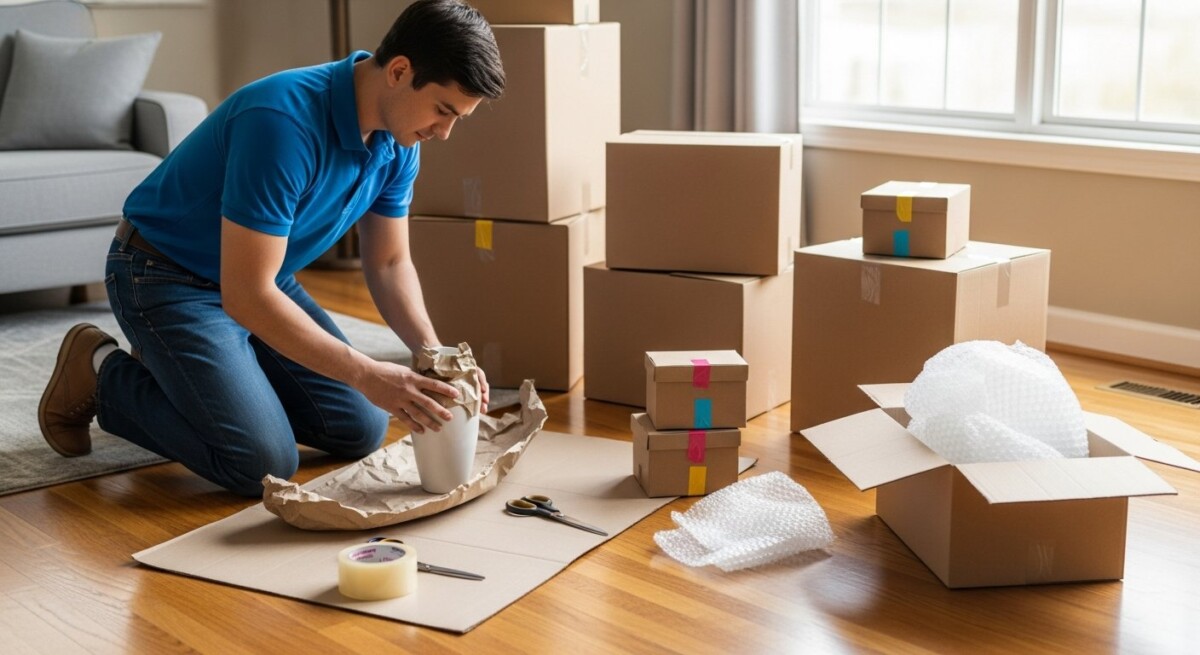
Beyond boxes, you need strong packing tape, a tape dispenser (your wrists will thank you), bubble wrap, packing paper, and markers. Consider using wardrobe boxes for hanging clothes. These tall boxes come with a metal bar that lets you transfer garments directly from your closet rod. You can also use stretch wrap to bundle furniture drawers closed or protect sofa cushions. For fragile items, invest in foam pouches and corner protectors. Professional movers often recommend double-layering the bottom of every box with crumpled packing paper for extra shock absorption.
Think about where to source these materials. Local moving companies like Moving.Homes often sell high-quality supplies directly, and they can deliver them to your door. You can also find free boxes from grocery stores, liquor stores, or online community groups. However, used boxes may lack the structural integrity needed for heavy loads. When in doubt, purchase new, double-layered boxes for valuable or fragile items. A small upfront investment in supplies saves far more in replacement costs later.
2. Create a Room-by-Room Packing Plan
Packing without a plan leads to chaos. The best approach is to tackle one room at a time. Start with rooms you use least often: guest bedrooms, formal dining rooms, storage areas, and basements. Leave everyday spaces like the kitchen and bathroom for the final days before your move. This phased approach prevents your home from becoming an unusable maze of boxes.
Label each box clearly on the top and at least one side. Include the room name and a brief list of contents. For example, write “Kitchen: pots, pans, spatulas, measuring cups.” This level of detail helps movers place boxes in the correct rooms and lets you prioritize unpacking. Color-coded labels or stickers can speed up the process even further. Assign a color to each room, such as blue for the kitchen and green for the living room, then place matching dots on the boxes and on the doorframe of the destination room.
Use a master inventory sheet or a digital app to track your belongings. This is especially important for high-value items or boxes you will need immediately upon arrival. Mark those priority boxes with a bright “OPEN FIRST” sticker. A simple spreadsheet with columns for room, box number, contents, and priority level keeps you organized and reduces the anxiety of searching for essentials later.
3. Master the Art of Wrapping and Cushioning
Fragile items require more than a casual wrap of newspaper. Start with a layer of packing paper or acid-free tissue paper for items like china, glassware, and ceramics. Crumple paper and place it inside hollow items such as bowls and cups to provide internal support. Then wrap each piece individually, securing the paper with tape. For extra protection, use a double layer of bubble wrap around the outside.
Place heavier items at the bottom of the box and lighter items on top. Fill any empty spaces with crumpled paper, foam peanuts, or air pillows. A box should be full enough that nothing shifts during transit, but not so tight that it bulges. As a rule of thumb, the box should not feel like it is about to burst when you close the flaps. Seal the box with at least three strips of tape along the top and bottom seams.
For mirrors, picture frames, and large glass panels, use specialized mirror boxes or create a protective sandwich. Place the item between two pieces of cardboard, then wrap the entire bundle with stretch wrap. Write “FRAGILE” and “THIS SIDE UP” on all sides. Do not stack heavy boxes on top of these items. If you are unsure about packing a particularly valuable or sentimental piece, consider using professional packing services. In our guide on Your Complete Packing for Moving Checklist and Essential Tips, we explain how to identify items that need extra care.
4. Disassemble and Protect Furniture
Furniture is often the most challenging part of any move. Before you start, take apart anything that can be disassembled. Remove legs from tables and desks, detach headboards from bed frames, and take off shelves from bookcases. Keep all screws, bolts, and small hardware in labeled plastic bags. Tape each bag directly to the corresponding piece of furniture so nothing gets lost.
Wrap furniture in moving blankets or furniture pads. Secure the blankets with stretch wrap or tape, but do not let the tape touch the furniture surface directly. For wood pieces, consider using a layer of cardboard or paper first to prevent scratches. Drawers can be left inside dressers if they are not too heavy, but remove any loose items. Use stretch wrap to hold drawers closed.
For upholstered items like sofas and chairs, use plastic wrap or furniture bags to keep dust and dirt away. Remove cushions and wrap them separately. If you have delicate antiques or valuable art, custom crating may be the safest option. Moving.Homes offers custom crating and carpentry services for unique possessions, ensuring they arrive in the same condition they left.
5. Pack an Essentials Box for Your First Night
One of the most common moving mistakes is packing everything together, leaving you hunting through dozens of boxes for your toothbrush and phone charger. Pack a separate essentials box or suitcase for your first 24 hours in the new home. This box should travel with you, not on the moving truck.
Include the following items:

- Toiletries: toothbrush, toothpaste, soap, shampoo, deodorant, and a towel.
- Medications: a week’s supply of any prescription or over-the-counter medicines.
- Clothing: a change of clothes, pajamas, and comfortable shoes.
- Important documents: IDs, passports, lease or mortgage papers, and insurance information.
- Electronics: phone charger, laptop, and a power strip.
- Basic tools: a screwdriver, scissors, box cutter, and a flashlight.
- Snacks and water: enough for the first evening and morning.
This small effort eliminates the stress of rummaging through piles of boxes at the end of a long day. It also ensures you have critical items accessible if the moving truck is delayed. Keep the essentials box in your car or carry it with you during the move.
6. Use Weight Limits and Box Sizes Wisely
Box size directly affects safety and efficiency. A common mistake is using large boxes for heavy items like books, tools, or canned food. These boxes become dangerously heavy and are prone to breaking at the bottom. Instead, use small boxes for dense items. A small book box should weigh no more than 30 to 40 pounds. For lighter items like pillows, blankets, or stuffed animals, larger boxes are perfectly fine.
Distribute weight evenly within each box. If you are packing a small box with books, alternate the direction of the spines to keep the stack stable. Fill any gaps with packing paper to prevent movement. For mixed items, place heavy objects at the bottom and lighter ones on top. Label boxes with their weight category (light, medium, heavy) so movers can stack them correctly. Heavy boxes should go on the bottom of the truck, with lighter boxes on top.
7. Handle Specialty Items with Extra Care
Some items require specialized packing techniques. Electronics, for example, should be packed in their original boxes if possible. If the original packaging is gone, use a sturdy box and plenty of cushioning. Wrap each component individually in anti-static bubble wrap. Remove cables and label them with masking tape (e.g., “TV power cord,” “DVD player cable”). Place cables in a small bag inside the box.
For artwork and mirrors, use corner protectors and a mirror box. Place the item inside the box and fill all gaps with foam peanuts. Do not use newspaper for artwork, as the ink can transfer. Acid-free tissue paper is a safer choice. For large sculptures or awkwardly shaped items, custom crating is often the only reliable method.
Plants require special consideration. Check with your mover about regulations, especially for long-distance moves. Most movers cannot transport plants across state lines due to agricultural laws. If you are moving locally, place plants in sturdy boxes with holes for air circulation. Water them a day before the move, but not on moving day, to prevent spills.
8. Prepare for Moving Day Logistics
Packing is only half the battle. The way you organize boxes on moving day affects efficiency and safety. Create a clear path from the door to the truck. Stack boxes by room and by weight. Clearly mark any boxes that contain fragile items. If you are using professional movers, give them a quick tour of your home and point out any items that need special attention.
Consider the financial side of your move as well. Moving expenses can add up quickly, and having the right budget in place reduces stress. If you need to finance your relocation or cover unexpected costs, services like auto loan refinancing can free up cash for your move. A little financial planning goes a long way toward ensuring a smooth transition.
Finally, do a final walkthrough of your old home. Check closets, cabinets, the garage, and the attic. Look under beds and behind furniture. Make sure nothing is left behind. Leave a note for the new occupants with your forwarding address, just in case something slips through the cracks.
Frequently Asked Questions
How far in advance should I start packing?
Start packing at least four to six weeks before your move. Begin with items you rarely use, such as seasonal decorations, off-season clothing, and books. Pack one room at a time, leaving daily essentials for the final week.
What is the best way to pack dishes and glassware?
Wrap each dish or glass individually in packing paper. Place crumpled paper inside cups and bowls. Stack plates vertically (like records) rather than flat, to reduce pressure. Use dividers in the box if possible. Fill all gaps with crumpled paper.
Should I buy new boxes or find free ones?
Free boxes are fine for lightweight items like linens and clothing. For heavy or fragile items, invest in new, sturdy boxes. Used boxes may be weakened by moisture or previous use. Professional moving companies like Moving.Homes sell high-quality boxes that hold up better during transit.
How can I save money on packing supplies?
Use items you already own, such as towels, blankets, and socks, to wrap fragile items. This saves money on bubble wrap and reduces the number of boxes needed. You can also ask local stores for free boxes, but inspect them carefully for damage.
What items should I never pack in a moving truck?
Do not pack hazardous materials like paint, propane tanks, bleach, or ammunition. Also avoid packing perishable food, plants (for long-distance moves), important documents, jewelry, and cash. These items should travel with you personally.
Moving is a complex process, but thoughtful packing strategies and tips can make the difference between a chaotic ordeal and a smooth transition. By planning ahead, using the right materials, and organizing your belongings systematically, you protect your possessions and your peace of mind. Take it one room at a time, label everything clearly, and do not hesitate to call in professional help for the trickiest items. With this approach, you will be unpacking in your new home with minimal stress and maximum efficiency.