Your Complete Packing for Moving Checklist and Essential Tips

Packing for a move is often the most daunting part of the relocation process. It’s a monumental task that can feel overwhelming, leading to stress, last-minute chaos, and even damaged belongings. However, with a strategic approach and a proven system, you can transform this challenge into a manageable, even satisfying, project. This comprehensive guide provides a complete packing for moving checklist and expert tips designed to streamline your efforts, protect your possessions, and significantly reduce pre-move anxiety. By following this structured plan, you’ll gain control, save time, and ensure nothing is forgotten in the rush to your new home.
Laying the Groundwork: Pre-Packing Strategy
Success in packing begins long before the first box is sealed. This crucial phase is about preparation and mindset. Start by creating a dedicated moving binder or digital folder. This will be your command center for inventory lists, receipts, mover contracts, and this very checklist. Next, conduct a ruthless decluttering session. Moving items you no longer need or want is a waste of time, money, and energy. Go room by room with three boxes: donate, sell, and discard. Be decisive. This process not only lightens your load but can also provide extra cash or tax deductions. Finally, source your packing supplies. You’ll need a variety of box sizes, heavy-duty packing tape, a permanent marker, packing paper, bubble wrap, and furniture blankets. Acquiring these materials early prevents frantic last-minute store runs.
The Systematic Packing Timeline
A staggered timeline is the single most effective tool for avoiding a packing panic. Begin the process 6-8 weeks before your move date, focusing on non-essential items. This includes off-season clothing, decor, books, and specialty kitchen gadgets. The 3-4 week mark is for tackling more frequently used but non-critical items like extra linens, DVDs, and some dishes. The final two weeks are for packing the essentials of daily life, leaving out only what you need for the last 48 hours. This methodical approach spreads the work over time, making it far less intrusive on your daily routine. For a detailed breakdown of professional services that can assist with this timeline, our guide on packing and moving services explains the options and associated costs.
Room-by-Room Packing Tactics
Each area of your home presents unique packing challenges. Adopting room-specific strategies ensures efficiency and organization.
The Kitchen: Fragile and Heavy
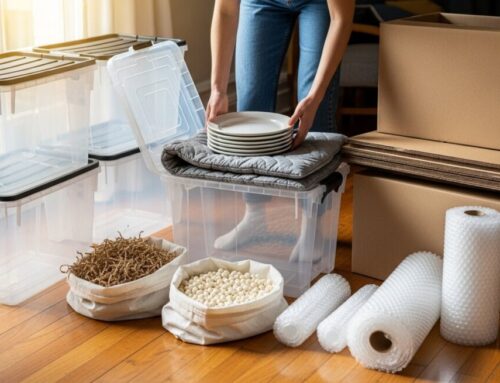
The kitchen is often the most time-consuming room to pack. Use small boxes for dishes and glassware to prevent them from becoming too heavy. Wrap each plate and bowl individually with packing paper or bubble wrap, and pack them on their sides, like records, not stacked flat. Fill cups and glasses with crumpled paper before wrapping the exterior. For pots and pans, you can often nest them with padding in between. Pack silverware in its organizer, wrapped in plastic wrap to keep it together, then place it in a box. Remember to clean and dry all appliances thoroughly before packing.
Bedrooms and Living Areas
For clothing, consider using wardrobe boxes for hanging items to minimize wrinkling. For folded clothes, suitcases are excellent makeshift moving boxes. Remove all bedding and pack it in large bags or boxes. For electronics, use original boxes whenever possible. If not available, pack TVs and monitors with ample bubble wrap and mark them “Fragile” and “This Side Up.” Take photos of cable setups before disconnecting everything. Books should be packed in small boxes to manage weight, and decorative items need careful wrapping.
Home Office and Important Documents
Back up all computer data to a cloud service or external hard drive that you will transport personally. Pack important files, passports, birth certificates, and financial documents in a clearly labeled, sealed file box that you keep with you during the move. Do not let this box go on the moving truck.
Mastering Packing Techniques and Labeling
Proper technique protects your belongings, while smart labeling saves you during unpacking. Always place heavier items at the bottom of a box and lighter items on top. Fill every empty space with crumpled paper, packing peanuts, or towels to prevent shifting during transit. This is critical for preventing breakage. Sealing boxes securely with strong packing tape in an “H” pattern across the bottom and top is non-negotiable.
Labeling is an art. Write the contents and destination room on at least two sides of every box. Use a color-coding system with colored stickers or markers for an even faster unload (e.g., green for kitchen, blue for master bedroom). For essential boxes you’ll need immediately, mark them with a bright “OPEN FIRST” label. These should contain toilet paper, a shower curtain, basic tools, phone chargers, snacks, and a change of clothes. To truly plan a smooth home relocation, meticulous labeling is a step you cannot afford to skip.
Special Considerations and Hazardous Items
Certain items require extra attention or cannot be moved by professional carriers. Create a personal “essentials” suitcase for each family member for the first night. This should include medications, toiletries, pajamas, and important devices. For valuable items like jewelry, family heirlooms, and irreplaceable photos, plan to transport them yourself. Most moving companies will not transport hazardous materials. This includes aerosols, nail polish remover, bleach, propane tanks, and car batteries. You must dispose of these properly or make arrangements to move them in your personal vehicle in compliance with safety regulations.
Final Week and Moving Day Execution
The final push is about precision. Confirm all arrangements with your movers. Pack your “OPEN FIRST” boxes and essentials suitcase. Defrost, clean, and dry your refrigerator at least 24 hours before moving. On moving day, do a final walkthrough of every room, checking closets, cabinets, and storage areas. Have cash on hand for tips for the moving crew. Keep your moving binder, essentials, and personal valuables in a safe, designated spot away from the action. As the truck is loaded, be available to answer questions from the movers about box placement and fragility.
Frequently Asked Questions
How far in advance should I start packing for a move?
For an average household, starting 6-8 weeks in advance is ideal. This allows you to pack non-essentials slowly, declutter thoroughly, and avoid last-minute stress. Larger homes or those with extensive collections may need even more lead time.
What is the best way to pack clothes for moving?
For hanging clothes, wardrobe boxes are unbeatable. For folded items, use suitcases, vacuum-seal bags for bulky winter wear, or standard boxes. Keep a week’s worth of clothing unpacked for easy access before and after the move.
Should I label boxes on the top or the side?
Label on the side. Boxes are stacked, making top labels invisible. Writing clearly on at least two sides ensures you can identify the contents no matter how they are placed in the truck or your new home.
How do I pack fragile items like glasses and plates securely?
Use plenty of packing paper or bubble wrap, wrapping each item individually. Pack plates on their edges in a sturdy dish pack box with dividers. Fill glasses with crumpled paper before wrapping. Always use a “fill the void” method with cushioning material to prevent movement.
What should I do with items movers won’t take?
Plan to personally transport hazardous materials (paint, chemicals), perishable food, plants, and extreme valuables. Dispose of prohibited items properly according to local guidelines before moving day arrives.
By integrating this complete packing for moving checklist and tips into your relocation plan, you shift from reactive chaos to proactive control. The goal is not just to get your belongings from point A to point B, but to do so in an organized manner that sets the stage for a calm and efficient unpacking experience in your new space. Remember, the effort you invest in packing strategically pays exponential dividends in reduced stress and a smoother transition, allowing you to focus on the excitement of beginning a new chapter in your new home.