

Relocation Services Complete Moving Guide for 2026
Relocation Services Complete Moving Guide: plan, pack, and move with confidence. Call (833) 762-3578 for expert assistance today.

By Brian Davis
Moving is one of the most stressful life events, often ranked alongside divorce and job loss. The sheer volume of decisions, from packing fragile heirlooms to coordinating utility transfers, can overwhelm even the most organized person. But it does not have to be this way. With the right approach and professional support, you can transform a chaotic upheaval into a smooth, well-orchestrated transition. This comprehensive guide walks you through every stage of the moving process, from early planning to settling into your new home, and shows you how to leverage relocation services to save time, reduce stress, and protect your belongings.
Why Professional Relocation Services Are Worth It
Many people initially consider a DIY move to save money, but the hidden costs and physical toll often surpass the expense of hiring professionals. Renting a truck, recruiting friends, buying packing supplies, and taking time off work add up quickly. Moreover, improper lifting techniques can lead to injuries, and inadequate packing can result in damaged furniture or electronics. Professional movers bring trained expertise, specialized equipment, and insurance coverage, ensuring your items arrive safely and efficiently. For long-distance moves, the value is even greater, as logistics such as route planning and fuel management are handled for you.
Beyond the physical move, relocation services offer a suite of solutions that simplify the entire process. From packing and unpacking to temporary storage and custom crating, these services are designed to address every pain point. If you are moving for a new job or relocating your family, a full-service moving company acts as a single point of contact, coordinating all the details so you can focus on the emotional aspects of the transition. As you evaluate your options, consider what tasks you can realistically handle and where professional help would provide the most significant relief.
Planning Your Move: A Step-by-Step Timeline
A successful move begins weeks, if not months, in advance. The earlier you start, the more control you have over costs and logistics. Begin by decluttering your home. Sort your belongings into categories: keep, donate, sell, or discard. This step reduces the volume of items you need to move, which directly lowers your moving cost. Next, create a detailed inventory of everything you plan to take, noting the condition of high-value items. This inventory will be invaluable when obtaining quotes and filing insurance claims.
Once you have a clear picture of your belongings, research moving companies. Read reviews, check credentials, and request in-home estimates from at least three providers. Compare their services, pricing structures, and insurance options. If you are moving for work, check whether your employer offers relocation assistance, as many companies cover all or part of the expenses. During this phase, also arrange for school transfers, notify your landlord or real estate agent, and schedule utility disconnections and connections.
As moving day approaches, create a detailed checklist to stay on track. Two to three weeks before the move, confirm all reservations and begin packing non-essential items. Label every box with its contents and destination room. One week before, pack a survival kit with essentials like medications, important documents, chargers, and a change of clothes. Finally, on moving day, do a final walkthrough to ensure nothing is left behind, and communicate clearly with the moving crew about any special handling requirements.
Choosing the Right Moving Company
Selecting a moving company is one of the most critical decisions you will make. A reliable mover does more than transport boxes; they safeguard your peace of mind. Start by verifying that the company is licensed and insured. For interstate moves, check their USDOT number with the Federal Motor Carrier Safety Administration. Local movers should have the appropriate state or local licenses. Beyond credentials, look for a company that offers guaranteed pricing, which means the quote you receive is the price you pay, barring any changes to your inventory or service scope.
During the estimation process, a reputable mover will conduct a visual survey of your home rather than providing a quote over the phone or email. This allows them to assess factors like stairs, narrow hallways, and bulky items. Ask about their policies on valuation coverage, which determines how much they will reimburse you for damaged or lost items. Basic coverage is often minimal, so consider purchasing additional full-value protection for high-value possessions.
When you compare companies, pay attention to their customer service. Are they responsive? Do they answer your questions clearly? A company that values communication before the move is likely to be reliable during it. It is also wise to read recent reviews on platforms like Google and the Better Business Bureau, focusing on feedback about professionalism, punctuality, and handling of claims. For a deeper dive into what to expect from a corporate relocation, our strategic guide to commercial relocation services offers valuable insights for business moves.
Understanding Moving Costs and Getting Accurate Quotes
Moving costs vary widely based on distance, weight, volume, and the services you select. Local moves are typically charged by the hour, while long-distance moves are priced by weight and distance. Additional services like packing, unpacking, and stair carries add to the total. To avoid surprise bills, request a binding estimate, which guarantees the final price based on the inventory you provided. Be wary of unusually low quotes, as they may indicate hidden fees or subpar service.
When requesting quotes, be transparent about your needs. If you have large, heavy, or oddly shaped items, mention them upfront. Ask about extra charges for things like shuttle services, long carries, or storage fees if your move-in date changes. A professional company will explain all potential costs in writing, so you can budget accurately. Remember, the cheapest option is not always the best value. A slightly higher upfront cost often translates to better protection for your belongings and a smoother experience.
If you are moving on a tight budget, consider a hybrid approach. For example, you might pack your own items and hire movers only for loading and transportation. This reduces labor costs while still giving you professional handling for the heavy lifting. Another cost-saving strategy is to move during off-peak times, such as mid-week or mid-month, when demand is lower. Many companies offer discounts for flexible scheduling.
Packing Strategies That Protect Your Belongings
Proper packing is the cornerstone of a damage-free move. Invest in high-quality supplies: sturdy boxes in various sizes, packing tape, bubble wrap, packing paper, and markers. Start with items you use least often, such as seasonal decorations or books. When packing, fill each box completely to prevent items from shifting during transit, but avoid making boxes too heavy. A good rule of thumb is to keep each box under 50 pounds, except for lightweight items like linens or pillows.
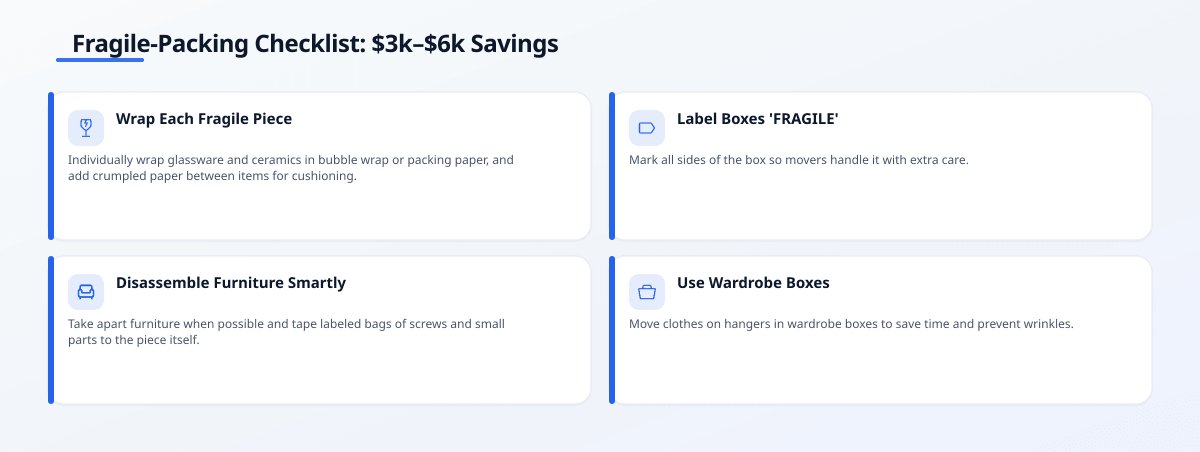
For fragile items like glassware and ceramics, wrap each piece individually in bubble wrap or packing paper, and use crumpled paper as cushioning between items. Label these boxes as "FRAGILE" on all sides so movers handle them with extra care. Disassemble furniture whenever possible, keeping screws and small parts in labeled bags taped to the piece itself. Use wardrobe boxes for clothes, which allow you to move garments on hangers, saving time and preventing wrinkles.
Consider using professional packing services if you have little time or many delicate possessions. Professional packers have the experience and materials to pack efficiently and securely, often completing in hours what would take you days. They also know how to properly protect specialty items like electronics, artwork, and antiques. If you choose this route, ensure you are present when they pack to note any existing damage and to keep an inventory of your belongings.
Specialized Moving Services for Unique Items
Not all belongings fit neatly into boxes. Items like grand pianos, large sculptures, or antique furniture require specialized handling and equipment. Many moving companies offer custom crating and carpentry services to protect these items during transport. For example, a custom wooden crate can be built around a valuable painting or a delicate chandelier, providing superior protection compared to standard wrapping. If you own such items, discuss them with your moving company during the estimation phase to ensure they have the expertise and tools to handle them.
Art and antiques moving is a niche service that requires extra care. Movers trained in this field use techniques like acid-free paper and museum-grade crating to prevent damage from moisture, temperature changes, and impact. They also handle insurance claims differently, often providing certificates of authenticity and detailed condition reports. If you are moving a high-value collection, it is wise to have it appraised and to purchase additional insurance coverage for the move.
Similarly, moving large appliances and electronics requires specific preparation. Refrigerators should be defrosted and cleaned at least 24 hours before the move, and washing machines should be disconnected and drained by a professional. Televisions should be packed in their original boxes or specialized TV cartons with foam padding. If you are unsure how to prepare these items, ask your moving company for guidance or opt for their disconnection and reinstallation services, which ensure everything is safely handled and ready to use in your new home.
Managing Storage and Logistics
Sometimes, the timing of your move does not align perfectly with your new home's availability. In such cases, storage solutions become essential. Many moving companies offer both short-term and long-term storage options, ranging from a few days to several months. Climate-controlled storage units are ideal for sensitive items like wooden furniture, electronics, and artwork, as they maintain consistent temperature and humidity levels. All-inclusive pricing, where the storage fee covers pickup, delivery, and access, simplifies budgeting.
When selecting a storage facility, consider the security measures in place. Look for features like 24/7 video surveillance, gated access, and individual alarms. Ask about the facility's pest control protocols and cleanliness. If you are storing items for an extended period, ensure they are properly packed and elevated off the floor to prevent moisture damage. A good moving company will coordinate the storage logistics, transporting your items directly from your home to the facility and then to your new residence when you are ready.
Logistics planning is another critical aspect of a successful move. For long-distance relocations, the moving company determines the most efficient route, considering factors like road conditions and delivery windows. They also handle the necessary paperwork, such as bills of lading and weight tickets. If your move involves multiple stops, such as dropping off items at a storage unit and then the main residence, communicate this clearly to your mover. A professional team will create a seamless plan that minimizes delays and ensures every item reaches its destination.
Tips for a Smooth Moving Day
Moving day is the culmination of all your planning, and with the right preparation, it can go smoothly. Start the day early, and have your survival kit within easy reach. Designate a separate area for items you will carry with you, such as important documents, jewelry, and chargers. Before the movers arrive, do a final sweep of the house, checking closets, drawers, and outdoor areas for overlooked items. Clear pathways and protect floors with runners if necessary.
When the movers begin loading, stay nearby to answer questions and point out any items that require special attention. Keep an inventory list and check off boxes as they are loaded onto the truck. This not only helps you track your belongings but also ensures nothing is left behind. If you have fragile or valuable items, make sure they are loaded last so they are unloaded first and spend minimal time in transit.
Communication is key on moving day. Provide the crew with your contact information and the address of your new home, along with any delivery instructions, such as parking restrictions or elevator reservations. If you are moving into a building with strict moving policies, obtain the necessary permits in advance and inform your moving company. Finally, after the truck is loaded, do a final walkthrough with the move manager to confirm that everything is accounted for and sign the bill of lading.
Settling Into Your New Home
Once you arrive at your new home, the process is not over. Unpacking and organizing can take just as long as packing. Start by setting up essential rooms like the bedroom and kitchen, so you have a functional space to rest and cook. Unpack one room at a time, and use your labeling system to direct boxes to the right locations. If you used professional unpacking services, the movers will handle this for you, but be sure to direct them on where you want items placed.
Before the movers leave, inspect your belongings for any damage. Note any issues on the bill of lading and take photos as evidence. If you notice damage later, contact the moving company immediately to file a claim. Most companies have a specific time window, often 30 days, within which you must report damage, so do not delay. Also, check that all utilities are connected, and if not, contact the providers right away.
Finally, take time to settle in emotionally. Unpacking is physically demanding, but it is also an opportunity to make your new space feel like home. Hang pictures, arrange furniture, and explore your new neighborhood. Moving is a fresh start, and with the right planning and support, you can begin this new chapter with confidence and excitement. Remember, professional relocation services are there to help you every step of the way, ensuring that your move is not just manageable, but enjoyable.