
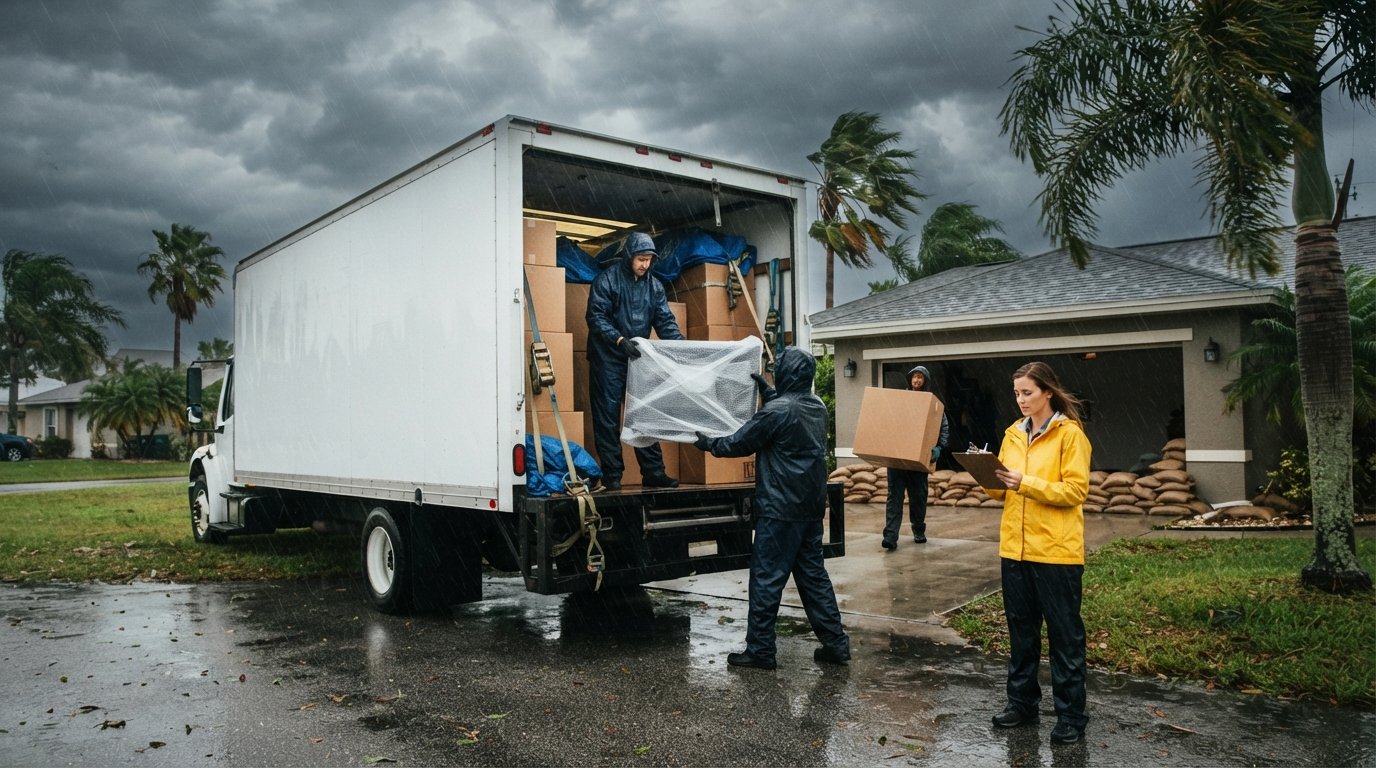
How to Move During Hurricane Season Safely
Plan a storm-safe relocation with smart timing, weather clauses, and protected valuables. Call (833)-484-8675 for help finding flexible movers.

By Mark Johnson
Picture this: your lease ends in September, your new job starts in October, and the forecast shows a tropical wave forming off the coast. You are not alone. Thousands of households relocate through the Atlantic and Gulf hurricane season every year, and the difference between a stressful scramble and a smooth transition comes down to preparation. This guide explains how to move during hurricane season safely, from picking the right dates to protecting your electronics and filing a claim if the worst happens. Whether you are heading across town or across the country, the strategies below will help you keep your belongings, your budget, and your sanity intact when the weather turns unpredictable.
Best Months Within Hurricane Season to Schedule a Move
Hurricane season in the Atlantic runs from June 1 through November 30, with the statistical peak falling between mid-August and late October. If you have flexibility, aim for early June or late November. Early June sits before the ocean has warmed enough to fuel most major storms, and late November usually brings cooler water and fewer named systems. The heart of the season, September in particular, historically produces the most intense storms, so treat those weeks with extra caution.
If your move must happen during peak season, choose the first half of the month when possible. Storm activity often clusters in two-week windows, and booking early gives you more room to reschedule without losing your deposit. Also consider the day of the week: midweek moves are easier to rebook than weekend slots because carriers have more open trucks. If you are planning a long-distance relocation, factor in the fact that a single storm can disrupt routes for days, so build a buffer of at least one week between your planned delivery date and any hard deadline like a lease start or school enrollment.
Keep in mind that hurricane season overlaps with peak moving season, so trucks and crews book up fast. Reserving your date two to three months in advance gives you leverage if you need to shift it. If you are still comparing service types, our guide on how modular home movers relocate manufactured homes safely explains how specialized carriers plan around weather windows, which is useful context if your move involves a manufactured or modular home.
How Movers Handle Weather Delays and Who Pays for Reschedules
Reputable moving companies build weather contingencies into their schedules during hurricane season. When a named storm approaches, carriers typically monitor National Hurricane Center advisories and may place holds on pickups or deliveries in affected zones. A professional mover will call you as soon as a delay looks likely, offer new dates, and explain whether your estimate changes. The key question is who absorbs the cost of a reschedule, and the answer depends on the contract you signed and the reason for the delay.
Most full-service movers include a force majeure clause that excuses both parties from penalties when a natural disaster makes performance unsafe or impossible. In practice, that means you usually will not pay a cancellation fee if a mandatory evacuation order or a port closure prevents the move. However, you may still owe a deposit or a rescheduling fee if the delay is voluntary on your end. Read your contract carefully and ask three questions before booking:
- What happens to my deposit if a hurricane warning is issued for my pickup or delivery area?
- How much notice will you give me before rescheduling?
- Will the price change if my move shifts to a different week or season?
Get the answers in writing. Some carriers offer a weather guarantee that locks your price even if the move slips a few days, while others charge a peak-season rate for the new date. If you are booking through a matching service, ask whether the providers in your area offer flexible rescheduling as a standard feature. Planning ahead also means knowing how to pack for a move in humid, storm-prone conditions, which we cover in detail in our moving preparation resources.
Protecting Electronics, Documents, and Furniture From Storm Damage in Transit
Water, humidity, and power surges are the three biggest threats to your belongings during a hurricane-season move. Electronics are especially vulnerable because moisture can corrode circuit boards even if the device never gets wet. Before packing, back up your data to a cloud service and remove batteries from remotes and small devices. Wrap screens in anti-static bubble wrap, seal them in plastic bags with silica gel packets, and pack them in the cab of the truck rather than the cargo area when possible. For larger items like televisions, use the original box if you still have it, or ask your mover for a specialized TV carton.
Documents deserve their own plan. Birth certificates, passports, deeds, insurance policies, and medical records should travel with you in a waterproof, fire-resistant folder, never in the moving truck. Scan everything to a secure cloud folder as a backup. Furniture needs protection too: upholstered pieces absorb humidity and can develop mildew within days. Ask your mover about shrink-wrap and furniture pads, and consider climate-controlled storage if your delivery date might slip. Wood furniture benefits from a coat of paste wax before the move, which helps seal the surface against moisture.
If you are moving in a region prone to flooding, elevate boxes on pallets inside the truck and confirm that the carrier uses air-ride trailers with sealed roofs. A quick walkthrough with the crew chief before loading lets you point out items that must stay dry and confirm how they will be wrapped. For high-value items, ask about full-value protection coverage, which we explain in the next section. And if your new home is still under construction or you are waiting on a closing date, secure climate-controlled storage in advance so your goods are not sitting in a humid warehouse during a storm.
Building a Contingency Plan With Your Moving Company and Storage Provider
A contingency plan is your safety net, and it should exist before you sign anything. Start by identifying two possible move dates: your primary date and a backup one to two weeks later. Share both with your mover and storage provider so they can hold capacity. Next, map out where your belongings will go if a storm interrupts the move. If your new home is not ready, a climate-controlled storage unit near your destination keeps furniture and electronics safe until conditions improve. Confirm that the facility sits outside a flood zone and has backup power for security systems.
Your plan should also cover communication and evacuation. Give your mover a secondary phone number and an email address you check often, and ask how they will contact you if forecasts change. If you are driving to your destination, identify shelters and alternate routes along the way. Keep a go-bag with medications, chargers, a change of clothes, and copies of your moving paperwork in your car. If you are relocating a business, coordinate with your commercial mover on priority equipment and data backups, and consider solar or backup power planning for your new facility; resources like NewSolarQuotes offer independent guidance on renewable energy options that can keep operations running during grid outages.
Finally, put your plan in writing and share it with everyone involved, including family members and your employer if relocation benefits are in play. A one-page summary with dates, contact numbers, storage addresses, and decision triggers (for example, "if a hurricane warning is issued 48 hours before pickup, we postpone") removes guesswork when stress is high. Review it with your mover during the pre-move walkthrough so everyone agrees on the protocol.
Insurance and Claims Considerations for Weather-Related Damage
Understanding your coverage before the truck pulls away is the single best way to protect your finances. Most moving companies offer two levels of liability: basic carrier liability, which pays a set amount per pound per item, and full-value protection, which repairs or replaces items at their actual value. Basic liability rarely covers the true cost of electronics or furniture, so full-value protection is worth the added expense during hurricane season. Ask your mover for a copy of the coverage summary and confirm whether weather-related damage is excluded.
Your homeowners or renters policy may also help, but coverage varies. Some policies extend to belongings in transit, while others exclude moving trucks or require a rider. Call your insurer before the move and ask specifically about hurricane and flood damage during transit and while goods are in storage. Document everything: photograph each room before packing, keep receipts for high-value items, and note existing scratches or dents on the inventory list. If damage occurs, report it to the mover in writing within the timeframe stated in your contract, usually nine months for federal interstate moves, and file a claim with your insurer as a backup.
Keep in mind that claims go more smoothly when you can prove condition and value. A simple video walkthrough of your packed boxes and furniture, time-stamped on your phone, takes ten minutes and can save weeks of back-and-forth. If you are moving internationally, ask about marine cargo insurance, which covers ocean freight and often includes weather-related losses. And if a storm forces you to store goods longer than planned, confirm that your storage provider's insurance covers flood and wind damage at the facility.
Moving during hurricane season is manageable when you plan around the weather instead of reacting to it. Choose your dates wisely, read the fine print on rescheduling, pack electronics and documents for moisture, and build a contingency plan that includes storage and clear communication. With the right preparation and a vetted moving team, you can keep your move on track even when the forecast looks uncertain. Start by requesting quotes early, ask the tough questions about weather policies, and keep your essential documents close at hand. Your future self, dry and settled in your new home, will thank you.