Post-Move Organization Tips for a Clutter-Free Home
You have finally closed the door on moving day. The boxes are stacked, the furniture is in place, and a strange quiet fills your new home. But beneath that silence lies a familiar chaos. Where did you pack the coffee maker? Which box holds the kids’ school supplies? The excitement of a fresh start quickly collides with the reality of unpacking. Without a clear plan, that mountain of cardboard can feel overwhelming. The good news is that a structured approach to post-move organization can transform your new space into a calm, functional home within days. By following these post-move organization tips, you will reduce stress, avoid clutter, and settle in faster than you ever thought possible.
Start With a Strategic Unpacking Plan
Before you slice open a single box, take ten minutes to walk through every room. This simple reconnaissance lets you see your new home with fresh eyes. Note where natural light falls, where outlets are located, and which walls can accommodate larger furniture. This step prevents the common mistake of unpacking items into a room and later realizing the layout does not work. In our guide on smart post-move unpacking strategy, we explain how to sequence your efforts for maximum efficiency.
Next, create a priority list. Focus on rooms that sustain daily life: the kitchen, bathrooms, and bedrooms. Everything else can wait. By tackling these core areas first, you create functional zones where your family can eat, sleep, and shower without digging through boxes. This approach also builds momentum. Once you see a clean, organized kitchen, you feel motivated to tackle the living room or home office.
Finally, set a realistic timeline. Unpacking an entire house in one weekend is a recipe for burnout. Instead, aim to complete one room per day. This pace allows you to make thoughtful decisions about where items belong, reducing the need to reorganize later. Remember, your new home is a marathon, not a sprint.
Set Up a Command Center First
Every household needs a central hub during the transition. Designate a small table, a countertop, or even a cleared section of the dining table as your command center. This spot holds your moving documents, keys, phones, chargers, and a notepad. It also serves as the drop zone for mail, school papers, and to-do lists. Without a command center, important items get lost in the shuffle, leading to frantic searches and lost time.
Stock your command center with a few essentials: a pen holder, a small tray for keys, and a folder for important papers like your lease or mortgage documents. If you have children, add a basket for their school schedules and permission slips. This small investment in organization pays dividends during the first chaotic weeks. You will always know where to find your phone charger and where to leave a note for your partner.
As you settle in, expand this command center into a home management system. Use a wall calendar, a bulletin board, or a digital app to track appointments, bills, and maintenance tasks. The goal is to create a single source of truth for your household operations. When everything has a home, nothing gets lost.
Unpack Room by Room: The Zone Method
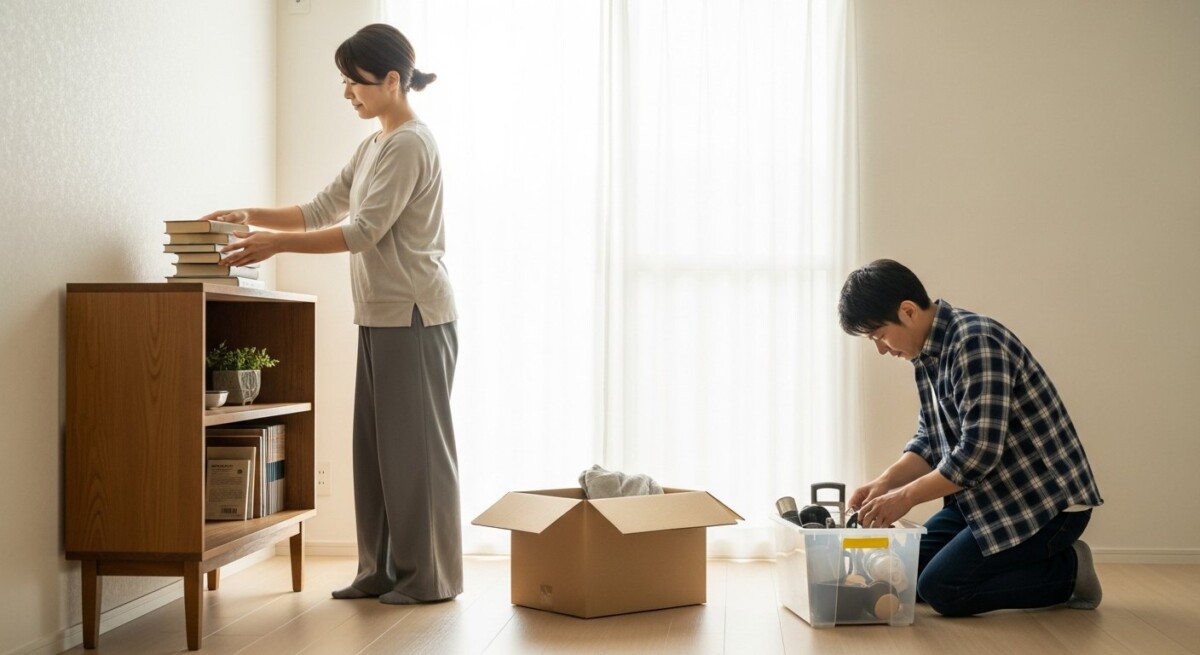
Rather than pulling items from random boxes and placing them wherever they fit, use the zone method. Assign each room a specific zone and unpack only that zone at a time. Gather all boxes labeled for that room into one area. Then open every box, sort the contents, and decide where each item belongs before moving to the next room. This method prevents the dreaded pile of “I will deal with this later” that accumulates in hallways and corners.
Follow these steps for each zone:
- Clear the floor: Move all boxes to one side of the room so you have open space to work.
- Sort by category: Group similar items together. For the kitchen, that means all utensils in one pile, all pots in another, and all pantry goods together.
- Assign a home: Before putting anything away, decide where each category lives. Drawers, cabinets, and shelves should have a designated purpose.
- Put away immediately: Do not set items down on countertops or tables. Place them directly into their assigned storage space.
- Break down boxes: As soon as a box is empty, flatten it and move it to a recycling pile. This keeps your workspace clear and your momentum high.
This systematic approach reduces decision fatigue. You only think about one room at a time, and you make each decision once. By the time you finish the kitchen, you will have a fully functional cooking space rather than a half-unpacked disaster zone. The same logic applies to bedrooms, bathrooms, and living areas.
Prioritize Daily Use Items and Essentials
Some items simply cannot wait. Your toothbrush, a change of clothes, and a coffee maker need to be accessible from day one. Create an overnight kit or an essentials box that you keep separate from the main moving load. This box should include toiletries, medications, one set of sheets and towels, a phone charger, a few basic tools (a screwdriver and scissors), and snacks for the first night. Keep this box in your car or carry it with you during the move.
Once you arrive, unpack this kit immediately. Make your bed, set up the bathroom, and plug in your phone charger. These small acts of normalcy provide a psychological anchor in the midst of chaos. They signal to your brain that this new place is home. After the essentials are in place, move on to the next priority: the kitchen. Unpack enough dishes, pots, and utensils to prepare a simple meal. You do not need every gadget right away. You just need to feed yourself and your family without resorting to takeout every night.
As you unpack each room, apply the same principle. Ask yourself: “What do I use every day?” Those items get first dibs on prime storage space. Seasonal decorations, formal dinnerware, and rarely used appliances can wait. By prioritizing daily use items, you create a home that works for your actual life, not a showroom.
Create Smart Storage Systems From the Start
Moving is the perfect opportunity to overhaul your storage. Instead of shoving items into the first available drawer, design systems that make sense for your habits. Start with the kitchen. Use drawer dividers for utensils, shelf risers for cabinets, and clear containers for pantry staples. Label everything. When you label a bin or a shelf, you create a contract with yourself and your family: this is where these items belong.
In the bedroom, use the same logic. Organize your closet by category: work clothes, casual wear, and special occasion outfits. Use matching hangers for a uniform look and to save space. Store off-season clothes in labeled bins under the bed or on high shelves. In the bathroom, use a caddy or a small shelf to keep toiletries off the counter. This reduces clutter and makes cleaning easier.
For the living room, consider a media console with hidden storage for cables, remote controls, and gaming accessories. Use baskets or decorative boxes to corral throw blankets, magazines, and kids’ toys. The key is to plan your storage before you put items away. A few hours spent organizing your systems now will save you countless hours of searching later. If you need extra storage solutions, consider the climate-controlled storage units offered by professional moving companies like Moving.Homes. These units are ideal for items you do not use daily, such as seasonal decorations, off-season clothing, or furniture you are not ready to place.

Involve the Whole Family in the Process
Unpacking should not fall on one person’s shoulders. Assign age-appropriate tasks to every family member. Young children can sort their own toys and place them in designated bins. Older kids can unpack their own rooms and help with labeling. Partners can divide and conquer by taking responsibility for different zones. When everyone contributes, the work gets done faster, and the family transitions together.
Use this time to establish new household routines. Decide where the mail goes, where shoes are taken off, and where backpacks are stored. These small rituals create order and prevent the new home from descending into chaos. For example, place a shoe rack by the front door and a hook for each family member’s keys. Install a mail sorter on the wall near the entry. These simple systems become habits within a week, and they keep your home organized long after the last box is unpacked.
Communication is key. Hold a brief family meeting each evening to check on progress and adjust the plan for the next day. Celebrate small wins, like a fully unpacked bedroom or a clean kitchen. This positive reinforcement keeps morale high and prevents burnout. Remember, moving is a team sport.
Donate, Recycle, and Dispose Immediately
Boxes, packing paper, and bubble wrap accumulate quickly. Do not let them pile up. As you unpack, flatten every box and bundle packing materials for recycling or donation. If you have local recycling drop-off points, schedule a trip as soon as you have a carload. This clears physical space and mental clutter. A home free of moving debris feels more settled and peaceful.
You will also discover items you no longer need. Resist the urge to keep things “just in case.” Moving is a natural purge moment. Set aside a donation box as you unpack. Clothes that no longer fit, kitchen gadgets you never used, and old electronics can go to charity or an electronics recycler. Many organizations offer free pickup for large donations. Schedule a pickup for the week after your move. This forces you to make decisions quickly and prevents boxes of “maybe” items from lingering in your garage or basement.
For hazardous materials like paint, batteries, or cleaning chemicals, check local disposal guidelines. Never throw these items in the trash. A quick online search will reveal nearby drop-off events or facilities. By dealing with waste immediately, you avoid the common trap of letting moving debris take over your new home.
Maintain Momentum With Daily Habits
Once the major rooms are unpacked, shift your focus to maintenance. Spend ten minutes each evening tidying up. Put away items that have migrated to countertops or tables. This daily reset prevents clutter from creeping back. Also, commit to a weekly declutter session for the first month. Walk through each room with a critical eye. Ask yourself: “Does this item belong here? Is it useful? Do I love it?” Anything that fails the test either gets donated, recycled, or relocated to its proper home.
Another powerful habit is the “one in, one out” rule. For every new item you bring into your home, remove one old item. This keeps your possessions in check and prevents overcrowding. Apply this rule especially to clothes, books, and kitchen gadgets. Over time, this simple discipline maintains the order you worked so hard to create.
Finally, give yourself grace. A perfectly organized home does not happen overnight. Some rooms will remain messy for weeks. That is okay. Focus on progress, not perfection. Celebrate the small victories: a clean kitchen counter, a fully unpacked bedroom, a closet where everything has a place. Each step forward brings you closer to a home that feels truly yours.
Frequently Asked Questions
How long does it take to fully unpack after a move?
Most families take two to four weeks to fully unpack and organize a typical home. The timeline depends on the size of the home, the amount of belongings, and how much time you can dedicate each day. Focus on daily use areas first and allow yourself grace for the rest.
Should I buy new storage containers before unpacking?
Not necessarily. Wait until you have unpacked a room and assessed your needs. You may find that existing furniture provides enough storage. If you do need containers, buy them after you know the exact dimensions and purpose. This prevents wasted money and space.
What should I do with boxes after unpacking?
Flatten them immediately and store them in a dry area. Offer them to friends who are moving, post them on a local buy-nothing group, or recycle them. Many moving companies, including Moving.Homes, offer packing material recycling or pickup services. Check with your mover for options.
How do I stay organized while unpacking with kids?
Set up a play zone in one room with a few familiar toys and a gate if needed. Unpack in short bursts of 30 minutes while the kids are occupied. Involve older children in sorting their own belongings. Use a reward system to keep them motivated. A pizza night after a productive day works wonders.
When should I call a professional organizer?
If you feel overwhelmed after two weeks or if your home still lacks functional systems, a professional organizer can help. They bring expertise in space planning, decluttering, and storage solutions. Many organizers offer virtual consultations, which are especially helpful if you are on a budget.
The days after a move are a blend of exhaustion and possibility. By following these post-move organization tips, you reclaim control over your environment and your time. You transform a chaotic pile of boxes into a home that supports your daily life. Start with a plan, prioritize daily essentials, and involve your family. Tackle one room at a time, and do not forget to purge as you go. Within a few weeks, your new home will feel less like a storage unit and more like a sanctuary. And when you finally sit down in your organized living room with a cup of coffee, you will realize that the effort was worth every minute. For those items that still need a temporary home, consider the secure storage solutions offered by Moving.Homes. Their climate-controlled units and all-inclusive pricing make storing seasonal or extra belongings simple and stress-free. If you are looking for financing options to cover moving expenses or new home purchases, explore auto loan solutions that provide flexible terms and competitive rates. Your new home awaits, and with the right approach, you will settle in faster than you ever imagined.