Packing Services and Professional Moving Preparation
Moving to a new home is one of life’s most significant transitions. It brings excitement for a fresh start but also carries a heavy load of stress, especially when it comes to packing. The sheer volume of belongings, from fragile heirlooms to everyday kitchenware, can feel overwhelming. Many people underestimate the time and expertise required to pack a household safely. This is where professional packing services and thorough moving preparation become invaluable. By enlisting expert help, you can transform a chaotic process into a streamlined, efficient operation, protecting your possessions and your peace of mind.
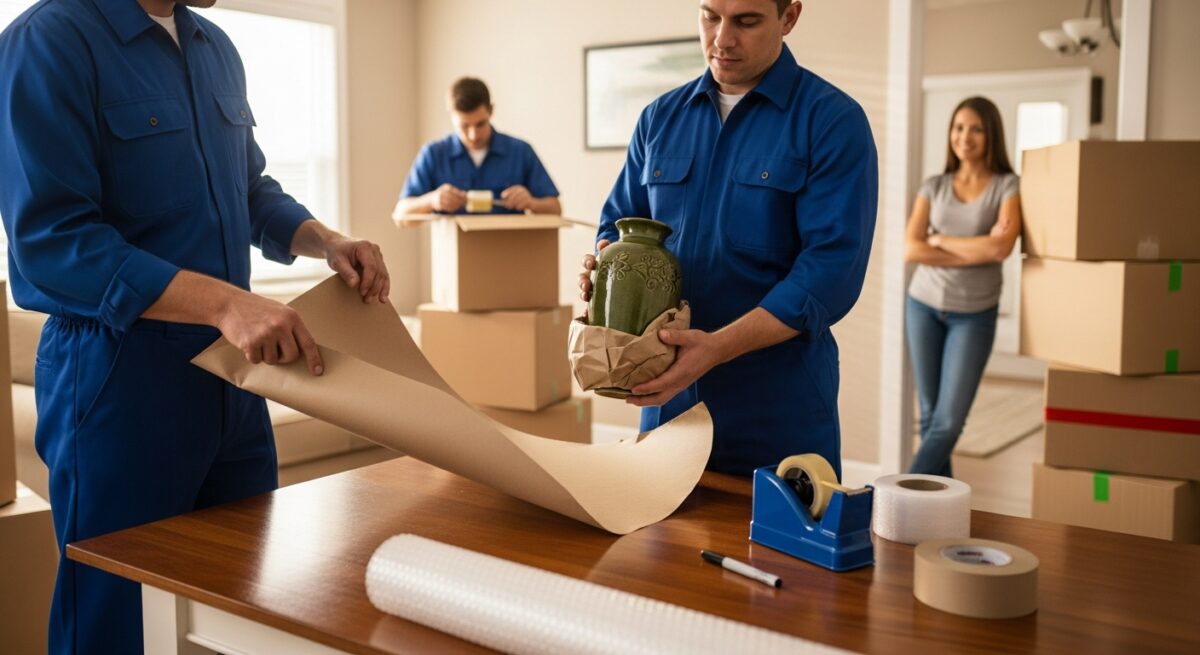
Packing is not simply about placing items in boxes. It involves strategic planning, proper material selection, and techniques that prevent damage during transit. Professional packers bring a level of skill that most homeowners lack. They know how to wrap a vase so it survives a cross-country journey, how to disassemble a bed frame without losing hardware, and how to label boxes so unpacking is intuitive. When combined with a solid moving preparation plan, these services save time, reduce physical strain, and minimize the risk of breakage. This article explores how to leverage packing services effectively and prepare for a move with confidence.
Why Choose Professional Packing Services?
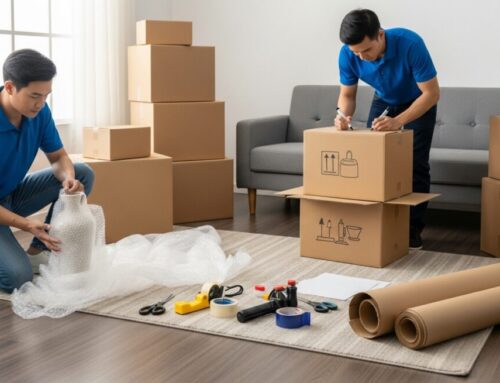
Professional packing services offer a level of efficiency and protection that is difficult to achieve on your own. The primary advantage is expertise. Trained packers understand the nuances of different materials. They use specialized supplies like dish saver paper, bubble wrap, and custom-sized boxes for mirrors and artwork. They also employ systematic methods to maximize space in each box while ensuring weight distribution is safe for lifting. This expertise directly translates to fewer broken items and a faster packing process.
Another critical benefit is time savings. The average homeowner spends weeks preparing for a move, with packing consuming the bulk of that time. By hiring professionals, you can reclaim your evenings and weekends. Instead of scrambling to find boxes and tape, you can focus on other essential tasks like changing your address, arranging utility transfers, and saying goodbye to neighbors. Professional packers typically complete the job in a fraction of the time it would take an individual, often finishing a full home in one to two days. This speed reduces the overall stress of the moving timeline.
How Professional Movers Prepare for a Move
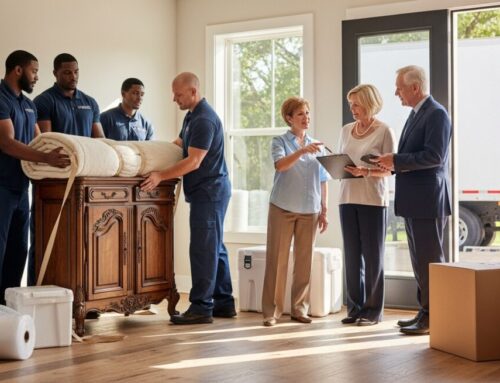
Preparation is the foundation of any successful move, and professional packing services are a key component of that preparation. A reputable moving company will start with a walkthrough of your home to assess the volume and type of items. They will identify specialty items such as antiques, electronics, or pianos that require extra care. Based on this assessment, they create a customized plan that outlines the number of movers needed, the type of packing materials required, and the estimated timeline. This upfront planning prevents surprises on moving day.
The preparation phase also includes protecting your home itself. Professional movers bring floor runners, corner protectors, and furniture blankets to prevent damage to walls, floors, and door frames. They carefully wrap large furniture pieces in padding before moving them out. This attention to detail ensures that your old home is left in good condition and your new home is protected from scuffs and scratches. A well-prepared move also involves clear communication with the moving crew about fragile items and special handling instructions. This collaborative approach minimizes errors and streamlines the entire process.
Essential Steps for DIY Packing Preparation
If you choose to pack some items yourself to save money, following a structured approach is crucial. Begin by decluttering. Moving is the perfect time to sort through your belongings and decide what to keep, donate, or discard. This reduces the number of items you need to pack and move, lowering your overall cost. Once you have a clear inventory, gather high-quality packing supplies. Cheap boxes can collapse under weight, so invest in double-walled boxes for heavy items like books and dish packs for fragile items.
Next, pack room by room and label everything clearly. Use a system that works for you, such as color-coded labels or a numbering system that corresponds to a master inventory list. Mark each box with its contents and the room it belongs to. For fragile items, write “FRAGILE” on multiple sides of the box. This labeling system helps movers know where to place boxes in the new home and alerts them to handle certain boxes with extra care. Finally, pack a “first-night” box separately. This box should contain essentials like toiletries, a change of clothes, phone chargers, medications, and basic kitchen items. This ensures you have what you need immediately without digging through dozens of boxes on your first night.
Benefits of Hiring Professional Packers for Specific Items
Certain items in your home require specialized packing techniques that go beyond standard boxes. Professional packers are trained to handle these items with precision. For example, fine art and framed paintings need corner protectors, glassine paper, and custom crates to prevent scratches and glass breakage. Similarly, electronics like flat-screen televisions and computers require anti-static bubble wrap and sturdy boxes with ample cushioning. Attempting to pack these items yourself can lead to costly damage.
Kitchen items also present a unique challenge. Dishes, glassware, and stemware need to be wrapped individually and packed vertically on their edges, not flat, to distribute pressure. Professional packers use dish packs with dividers and packing paper to create a protective nest. They also know how to pack lampshades, chandeliers, and other oddly shaped items that do not fit neatly into standard boxes. By hiring experts for these high-value and fragile categories, you reduce the risk of breakage and the stress of wondering if you did it correctly. This specialized service is a core reason why many people seek packing help services for their move.
Creating a Moving Preparation Timeline
A successful move requires a timeline that guides you from the moment you decide to move to the day you unpack your last box. Begin at least eight weeks before your move date. This is the time to research moving companies, request quotes, and book your preferred date. You should also start decluttering and sourcing packing materials. At the six-week mark, begin packing non-essential items such as seasonal clothing, holiday decorations, and rarely used kitchen gadgets. This gradual approach prevents a last-minute rush.

Four weeks before the move, confirm your moving date and finalize all arrangements with your moving company. If you are using packing services, schedule a walkthrough and confirm the packing date. Start packing more frequently used items, but leave out daily essentials. Two weeks before the move, begin the process of changing your address with the post office, utilities, and subscription services. Notify important contacts like your bank and insurance provider. Finally, in the week leading up to the move, pack your suitcases and the first-night box. Defrost your refrigerator, dispose of hazardous materials, and confirm arrival times with your moving crew. Following a timeline ensures that nothing is forgotten and reduces anxiety on moving day.
How to Choose the Right Packing Service Provider
Selecting a packing service provider requires careful research. Start by reading reviews and asking for recommendations from friends or family. Look for companies that specialize in packing services and have a track record of positive feedback. Request detailed quotes from at least three providers. A reputable company will conduct an in-home inspection before providing a quote rather than giving a price over the phone without seeing your belongings. The quote should clearly outline the cost of materials, labor, and any additional fees.
Ask about insurance coverage. Professional packing services should offer valuation coverage that protects your items in case of damage during the move. Understand the difference between released value protection and full value protection. Released value is minimal coverage, while full value protection offers more comprehensive compensation. Also, inquire about the training of their packers. A company that invests in ongoing training for its staff is more likely to provide high-quality service. Finally, trust your instincts. If a company seems unprofessional or avoids answering your questions directly, continue your search. The right provider will be transparent, communicative, and eager to earn your business.
Frequently Asked Questions
What is typically included in a professional packing service?
A professional packing service usually includes all necessary packing materials such as boxes, tape, bubble wrap, and packing paper. The packers will wrap and box all items you designate, label each box, and often create an inventory list. Some services also include unpacking and placing items in their designated rooms.
How much do packing services cost?
Costs vary based on the size of your home, the volume of belongings, and the level of service you choose. On average, you can expect to pay between $300 and $1,500 for a standard home. Many companies charge by the hour plus the cost of materials. Always get a written estimate before work begins.
Can I pack some items myself and hire packers for the rest?
Yes, many moving companies offer partial packing services. You can pack your own clothes and books while hiring professionals to handle fragile items, antiques, and electronics. This is a popular option for those who want to save money but still need expert help for high-value possessions.
How long does it take for packers to pack a house?
The time required depends on the size of the home and the number of items. A two-bedroom apartment typically takes a team of two packers about four to six hours. A four-bedroom house may take a full day or longer. The moving company can give you a more accurate timeline after an in-home assessment.
What items cannot be packed by movers?
Most moving companies cannot pack hazardous materials such as flammable liquids, paints, propane tanks, cleaning chemicals, and perishable food. They also typically avoid packing pets, plants, and valuable documents like passports and wills. You should plan to transport these items yourself.
Final Thoughts on a Smooth Move
A successful move is built on careful planning and the right support. Packing services and professional moving preparation work together to create a seamless experience from start to finish. By understanding what to expect from professional packers, creating a solid timeline, and preparing your home methodically, you can reduce stress and avoid common pitfalls. Whether you choose full-service packing or a hybrid approach, the investment in professional help pays off in time saved and items protected. As you prepare for your next move, consider how these strategies can make your transition smoother. For more detailed guidance on how local packing services create a stress free move, explore resources that break down the process step by step. Remember, a little preparation goes a long way toward ensuring your belongings arrive safely and you settle into your new home with ease. If you need financial flexibility during your move, exploring options like auto loan refinancing can free up cash for moving expenses.