Your Moving Packing Checklist and Pro Tips
Packing for a move can feel like a monumental task, especially when you are staring at a house full of belongings and a rapidly approaching moving day. Without a clear plan, you risk chaos, broken items, and last-minute stress. However, with a structured approach and the right strategies, you can transform this overwhelming chore into a manageable, even efficient, process. This article provides a comprehensive moving packing checklist and tips to help you organize, protect, and transport your possessions safely. Whether you are moving across town or across the country, following this guide will ensure nothing is forgotten and everything arrives in one piece.
Why a Structured Packing Plan Matters
Many people underestimate the time and resources required to pack a home properly. The common mistake is to start throwing items into boxes without a system, leading to confusion during unpacking and potential damage to fragile goods. A structured packing plan saves you time, money, and frustration. It allows you to prioritize rooms, identify items that need special handling, and ensure you have the right supplies. This approach also helps you declutter, so you are not paying to move things you no longer need. When you have a clear checklist, you can track your progress and reduce the anxiety that often accompanies a move. By investing a little time in planning, you create a smoother path from your old home to your new one.
Essential Packing Supplies
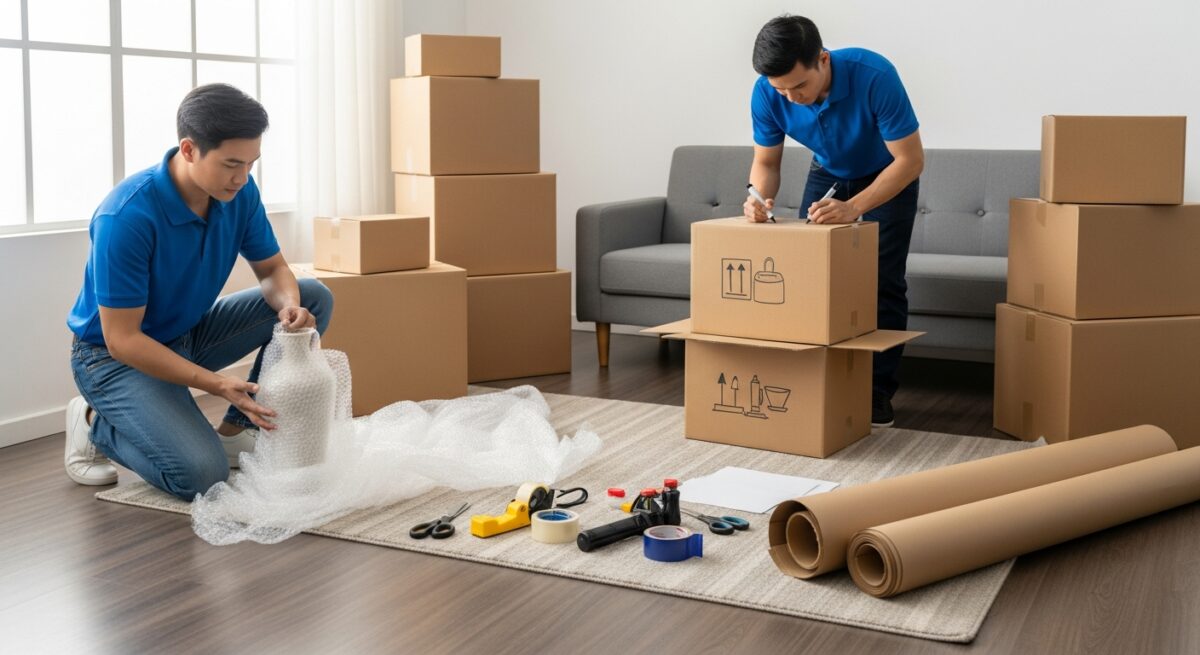
Before you begin packing for a move, you must gather the right materials. Using substandard boxes or insufficient tape can lead to accidents. Here is a list of supplies you should have on hand to make your moving packing efficient and secure.
- Sturdy boxes in various sizes: Small boxes for heavy items like books, medium boxes for kitchen items, and large boxes for linens and lightweight objects.
- Packing tape and a tape gun: A tape gun speeds up the process and ensures a secure seal on every box.
- Bubble wrap and packing paper: Essential for wrapping fragile items like glassware, dishes, and electronics. Do not use newspaper as the ink can transfer onto your items.
- Permanent markers and labels: Clearly mark each box with its contents and the room it belongs to. Colored markers can help with color-coding rooms.
- Furniture blankets or moving pads: Protect large furniture pieces from scratches and dents during transit.
Investing in quality supplies is a small price to pay for the safety of your belongings. Many moving companies, including those featured on Moving.Homes, offer high-quality packing materials as part of their professional packing services. Using double-layered boxes for heavy items can prevent collapses, and having a roll of stretch wrap can keep drawers and doors closed during the move.
Room-by-Room Packing Strategy
A room-by-room approach is the most effective way to manage your packing checklist. This method prevents mixing items from different rooms, which complicates unpacking. Start with rooms you use least often, such as guest rooms, storage areas, or the basement, and pack them first. Leave everyday essentials for last. This strategy allows you to live comfortably in your home while gradually boxing up your belongings. For each room, follow a systematic process: declutter, gather supplies, pack, label, and seal. This consistent routine will keep you organized and reduce the chance of missing items.
The Kitchen: Most Demanding Room to Pack
The kitchen is often the most challenging room to pack due to the variety of items, from fragile glassware to heavy appliances. Begin by separating items you will not need before moving day. Pack everyday dishes and utensils last. When packing dishes, place them vertically on their edges, like records, rather than stacking them flat. This reduces the risk of breakage from weight pressure. For glasses, stuff them with crumpled packing paper and wrap each one individually. Place a layer of bubble wrap at the bottom of the box and between layers of items. Heavier items like cast iron pans should go in small boxes so they are not too heavy to lift. Label these boxes clearly as “Fragile” and “Kitchen.” Do not forget to pack small appliances, spice racks, and pantry items. For pantry goods, check expiration dates and discard anything expired before moving.
Living Room and Bedrooms
For living rooms and bedrooms, focus on soft goods and electronics. Disassemble furniture like bed frames and tables, and keep all screws and small parts in a labeled bag taped to the piece of furniture. For electronics, take photos of the back panels before unplugging cables. This will save you hours of frustration when setting up your entertainment system in your new home. Wrap cords individually and label them. Use original boxes for electronics if you have them, or use sturdy boxes with plenty of cushioning. For clothing, you can leave items on hangers and use wardrobe boxes, which are tall boxes with a hanging rod. This keeps clothes wrinkle-free and makes unpacking easy. Alternatively, you can pack clothes in suitcases or large bags. For bedding and linens, they can be used as extra padding inside boxes containing other items.
Special Items and Valuables
Some items require extra care and attention during a move. This includes artwork, antiques, fragile collectibles, and important documents. For high-value items, consider using professional packing services that specialize in handling delicate possessions. Moving.Homes offers customized crating and carpentry for unique items such as large sculptures or fine art. This ensures that your most treasured possessions are protected with custom-fitted crates and proper cushioning. For important documents like passports, birth certificates, and financial records, keep them with you in a personal bag or briefcase. Do not put them in a moving truck. Similarly, pack a “first-night box” with essentials like toiletries, a change of clothes, phone chargers, and basic kitchen supplies. This box should travel with you, not on the truck, so you have immediate access to necessities upon arrival.
Labeling and Inventory System
An effective labeling system is crucial for an organized move. Simply writing “Kitchen” on a box is not enough. Use a system that includes the room, a brief description of contents, and a fragility indicator. You can assign a number to each box and create a master inventory list on your phone or a notebook. This list can include the box number, room, and a general list of contents. This is invaluable if you need to find a specific item quickly or if you are filing a claim for damaged goods. Consider color-coding by room using colored tape or markers. For example, blue for the master bedroom, red for the kitchen, and green for the living room. This makes it easy for movers to place boxes in the correct rooms in your new home.
Packing Timeline: When to Start
One of the most common questions people have is when to start packing for a move. The answer depends on the size of your home and the distance of your move. A good rule of thumb is to start packing non-essential items as soon as you know you are moving, ideally four to six weeks before the moving date. This gives you ample time to pack a few boxes each day without feeling rushed. In our guide on Moving Packing Checklist for a Stress Free Move, we explain how to break down this timeline into manageable weekly goals. For example, four weeks out, pack the guest room and storage areas. Three weeks out, start on the living room and dining room. Two weeks out, tackle the kitchen and bedrooms, leaving only daily essentials. One week out, pack the final items and prepare your first-night box. This gradual approach prevents burnout and ensures everything is ready on moving day.

Professional Packing Services vs. DIY
You have a choice between packing everything yourself or hiring professional packers. DIY packing can save money, but it is time-consuming and carries the risk of improper packing leading to damage. Professional packing services, like those offered by Moving.Homes, provide trained packers who use high-quality materials and efficient techniques. They can pack an entire home in a fraction of the time it would take you. This is particularly beneficial for fragile items, antiques, and electronics. Professional packers also carry insurance, so if something is damaged during the move, you have recourse. For many people, the convenience and peace of mind are worth the cost. However, if you choose to pack yourself, be diligent about using proper materials and techniques. Either way, a solid moving packing checklist and tips will help you stay organized.
Frequently Asked Questions
What is the best way to pack dishes for a move?
Wrap each dish individually in packing paper or bubble wrap. Place plates vertically on their edges in the box, not flat. Use crumpled paper between layers to create cushioning. Always use a sturdy box and label it “Fragile.”
How many boxes will I need for a 3-bedroom house?
A typical 3-bedroom house requires approximately 50 to 70 boxes of various sizes. This estimate includes small, medium, and large boxes. It is always better to have a few extra boxes than to run out mid-pack.
Should I keep important documents with me during the move?
Yes, always keep important documents such as passports, birth certificates, medical records, and financial documents with you. Do not place them in the moving truck. Pack them in a personal bag or briefcase that stays with you.
What items should I not pack in boxes for the moving truck?
Do not pack hazardous materials like paint, propane tanks, cleaning chemicals, or perishable food. Also, keep valuables like jewelry, cash, and electronics with you. Live plants and pets should travel with you, not in the moving truck.
How can I save money on packing supplies?
You can source free boxes from local stores, liquor stores, or online marketplaces. However, for heavy or fragile items, it is worth investing in new, sturdy boxes. You can also use towels, blankets, and clothing as padding to reduce the need for bubble wrap.
For those looking for financing options to cover moving expenses, some resources like StartAutoLoan.com can provide information on securing funds for your relocation needs. This can be particularly helpful if you are planning a long-distance move and need to budget for professional movers, packing supplies, and travel costs.
By following this moving packing checklist and tips, you can approach your move with confidence. Remember to start early, use quality supplies, and stay organized. A well-planned move reduces stress and ensures that your belongings arrive safely at your new home. Whether you pack yourself or hire professionals, the key is to have a system and stick to it. Good luck with your move.