Packing and Unpacking Services Complete Guide
Moving a household or office is one of the most stressful life events, and the packing phase often takes the heaviest toll. You face the monumental task of wrapping, boxing, labeling, and transporting every possession you own. Professional packing and unpacking services can transform this chaotic process into a streamlined, manageable experience. Instead of spending weeks surrounded by bubble wrap and cardboard, you can hand off the labor to trained experts who protect your belongings and save you significant time. This guide walks through everything you need to know about hiring packing and unpacking help, from understanding pricing and service levels to preparing your home for the crew’s arrival.
What Full-Service Packing and Unpacking Includes
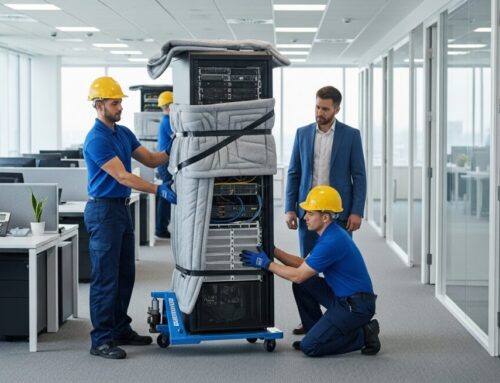
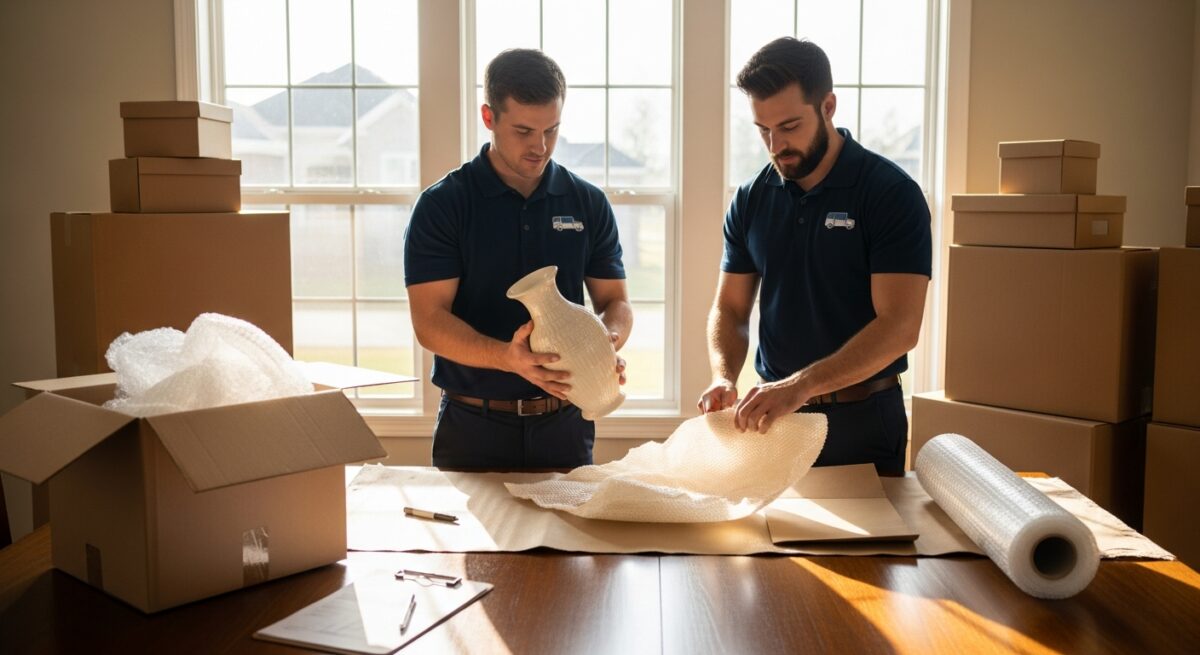
When you hire a professional moving company for packing services, you gain access to a team that handles every detail of preparing your items for transit. A full-service pack typically includes the movers bringing all necessary supplies: sturdy boxes in multiple sizes, packing paper, bubble wrap, foam padding, tape, and markers. The crew systematically works through each room, carefully wrapping fragile items like glassware and electronics, disassembling furniture where needed, and packing everything into labeled boxes. They also create an inventory list so you know exactly what goes into each container.
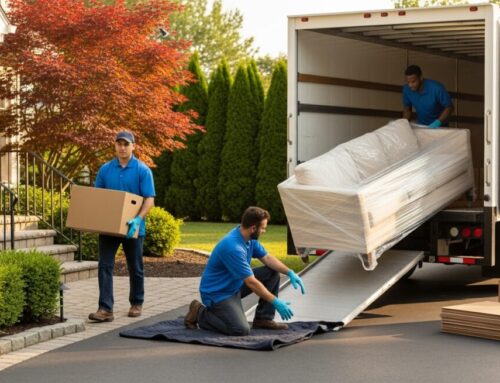
Unpacking services work in reverse. Upon arrival at your new home, the team unloads boxes, unwraps items, and places them in the rooms you designate. Many companies offer partial unpacking, where they focus on essential areas like the kitchen and bedrooms first, leaving non-urgent items for you to organize later. Some premium services even include debris removal, taking away all the used packing materials and cardboard so you can start enjoying your space immediately. This level of support is especially valuable for families with young children, busy professionals, or anyone moving long distance who cannot afford days of downtime.
Benefits of Hiring Professional Packers
The most obvious advantage is the massive time savings. A professional crew of two to three people can pack an entire three-bedroom home in one to two days, a task that might take a homeowner a full week or more. Beyond speed, professional packers bring expertise that directly reduces the risk of damage. They know how to properly cushion fragile items, how to distribute weight evenly in boxes to prevent crushing, and how to protect furniture surfaces with special wraps and pads.
Another critical benefit is insurance coverage. When a moving company packs your belongings, their valuation and insurance policies typically cover any damage that occurs during transit. If you pack items yourself and something breaks, the mover may not be liable because they cannot verify the quality of your packing. By using professional packing and unpacking services, you essentially transfer the risk to the experts. Additionally, professional packing reduces physical strain and potential injury, as you avoid lifting heavy boxes and bending repeatedly over long hours.
Types of Packing Services Available
Not every move requires a full-service pack. Moving companies typically offer several tiers so you can customize the level of help you need. Understanding these options helps you match the service to your budget and timeline.
Full Packing Service
This is the most comprehensive option. The moving crew packs every single item in your home, including closets, pantry items, and garage tools. They bring all materials, do all the wrapping and boxing, and label everything clearly. This option is ideal for those who want zero involvement in the packing process or who have limited time before the move date.
Partial Packing Service
Many homeowners prefer to pack non-fragile items themselves while hiring professionals for the tricky stuff. A partial pack might include the movers handling the kitchen (dishes, glassware, small appliances), electronics (TVs, computers), and delicate decor (mirrors, artwork, lamps). You handle clothing, books, linens, and other robust items. This approach balances cost savings with professional protection for high-value or breakable possessions.
Unpacking-Only Service
If you prefer to pack your belongings yourself but dread the unpacking process, you can hire movers solely for unpacking at your destination. The crew will unload boxes, unwrap items, and place furniture and belongings in their designated rooms. This is a popular choice for people who want control over how items are packed but do not want to spend their first week in a new home surrounded by empty boxes.
Custom Crating and Special Handling
For extremely valuable or oddly shaped items, standard boxes may not suffice. Professional movers offer custom crating services for items like large sculptures, chandeliers, high-end artwork, or antique furniture. A custom wooden crate is built around the item to provide maximum protection during transport. This service is separate from standard packing and comes with its own pricing structure, but it is essential for collectors and those moving irreplaceable heirlooms.
How to Prepare for Packing Day
Even when professionals handle the packing, you need to take a few steps before they arrive. First, declutter your home. Go through closets, drawers, and storage areas to separate items you no longer want. Donate, sell, or discard these items before the packers come. You do not want to pay movers to pack and transport things you will throw away later. Second, gather important documents and valuables. Items like passports, jewelry, financial records, and medications should stay with you and not be packed into moving boxes.
Third, clearly communicate any special instructions to the moving coordinator. If there are items that need extra care or items you plan to move yourself, mark them clearly. Some movers provide colored stickers or labels for this purpose. Finally, prepare your home to be an efficient work zone. Clear pathways, ensure the crew has access to electricity (for tools and shrink wrap machines), and provide a clear area where they can set up their packing station. A little advance planning helps the crew work faster and reduces the chance of mistakes.
In our guide on Home Packing Services and Moving Preparation Tips, we explain how to streamline this pre-packing phase so you feel fully ready when the team arrives.
Understanding Packing and Unpacking Costs
Packing and unpacking services are typically priced in one of two ways: by the hour or as a flat rate based on the estimated volume of household goods. Hourly rates are common for local moves, with the total cost depending on how many crew members are assigned and how long the job takes. The average hourly rate for a two-person packing crew ranges from $40 to $80 per hour, though this varies by region and season. Long-distance moves often use a flat rate based on the estimated weight or cubic feet of your shipment, with packing costs added as a separate line item.

Several factors influence the final price: the size of your home, the number of fragile or specialized items, the complexity of furniture disassembly, and whether you need custom crating. A full pack for a two-bedroom apartment might cost between $400 and $800, while a four-bedroom house could run $1,200 to $2,500 or more. To get an accurate estimate, request an in-home survey where the mover can see exactly what you own. Always ask what supplies are included in the quote and whether there are additional fees for things like wardrobe boxes or packing tape.
What to Look for in a Packing Company
Choosing the right provider is just as important as deciding to use the service. Start by verifying that the company is licensed and insured. For interstate moves, a USDOT number is required. For local moves, check state-level licensing requirements. Read online reviews on platforms like Google, Yelp, and the Better Business Bureau, paying special attention to comments about packing quality, punctuality, and handling of fragile items.
Ask specific questions during your consultation: Do they provide a written inventory of packed items? What type of packing materials do they use? Are the crew members background-checked and trained? How do they handle claims if something is damaged? A reputable company will answer these questions clearly and provide references upon request. Avoid companies that demand large deposits upfront or give quotes over the phone without seeing your belongings. Professional movers are transparent about their processes and pricing.
DIY vs. Professional Packing: Which Is Right for You?
The decision often comes down to a trade-off between cost and convenience. DIY packing saves money on labor costs, but you must purchase supplies, spend many hours packing, and accept the risk of damage. For someone with more time than money, or for a small move with mostly durable items, DIY can work well. However, for large homes, tight schedules, or valuable possessions, professional packing is usually worth the investment.
Consider the hidden costs of DIY packing: the price of boxes and materials, the potential for damaged items, the physical exhaustion, and the stress of managing the timeline. Professional packers also bring efficiency that most homeowners cannot match. They work in teams, use industry-standard techniques, and complete the job in a fraction of the time. Additionally, if you are paying movers by the hour for loading, having professionally packed boxes that are properly balanced and labeled can actually speed up the loading process, saving you money on that portion of the move.
Tips for a Smooth Unpacking Experience
Once your belongings arrive at the new home, the unpacking process begins. If you hired unpacking services, the crew will handle the heavy lifting. But if you are unpacking yourself or supplementing professional help, a few strategies can make the work easier. Start with the essentials: set up the kitchen first so you can prepare meals, then move to bedrooms so you have a place to sleep. Bathrooms come next. Leave living rooms, home offices, and decorative items for later.
Use the labeling system from your packers to guide placement. Boxes labeled “Kitchen – Pots and Pans” should go directly to the kitchen. Unpack one box at a time and immediately break down the empty box and remove packing materials. This prevents your new home from becoming cluttered. If you feel overwhelmed, focus on completing just one room per day. Unpacking does not need to happen in 24 hours. Give yourself permission to take breaks and prioritize comfort over perfection.
Frequently Asked Questions
How far in advance should I book packing services?
For peak moving season (May through September), book at least four to six weeks ahead. For off-season moves, two to three weeks is usually sufficient. Packing services are in high demand, and last-minute bookings may be limited.
Can I be present while the packers work?
Yes, you can be present, but most people prefer to stay out of the way. The crew works more efficiently when they can move freely. You can designate a room where you will work or relax while they handle the rest of the home.
What items cannot be packed by movers?
Hazardous materials like paint, propane tanks, cleaning chemicals, and perishable food are typically excluded. Movers also will not pack firearms, ammunition, or live plants. Check with your mover for a complete list of prohibited items.
Is unpacking included in the packing price?
Not usually. Packing and unpacking are separate services with separate fees. Some companies offer a bundled package that includes both at a discount. Always confirm whether unpacking is part of your quote or if it costs extra.
How long does unpacking take?
A professional unpacking crew can typically unpack a three-bedroom home in four to six hours, depending on the volume of items and the complexity of furniture assembly. Partial unpacking is faster and focuses on priority rooms.
Making Your Move Easier with Professional Help
Packing and unpacking services are not just a luxury for the wealthy. They are a practical solution for anyone who values their time, wants to reduce physical strain, or seeks peace of mind during a major life transition. By understanding the different service levels, costs, and preparation steps, you can choose the right level of support for your move. Whether you opt for full-service packing or a partial pack, the investment often pays for itself in reduced stress, fewer damaged items, and a faster transition into your new home. For those facing a long-distance or international relocation, professional packing is almost essential to ensure your belongings arrive safely across thousands of miles. For additional reading and resources on managing your budget during a move, you can visit StartAutoLoan.com for financial planning tools that help you prepare for relocation expenses. With the right planning and a trusted moving partner, you can turn one of life’s most stressful events into a smooth, positive experience.