Home Packing Services and Moving Preparation Tips
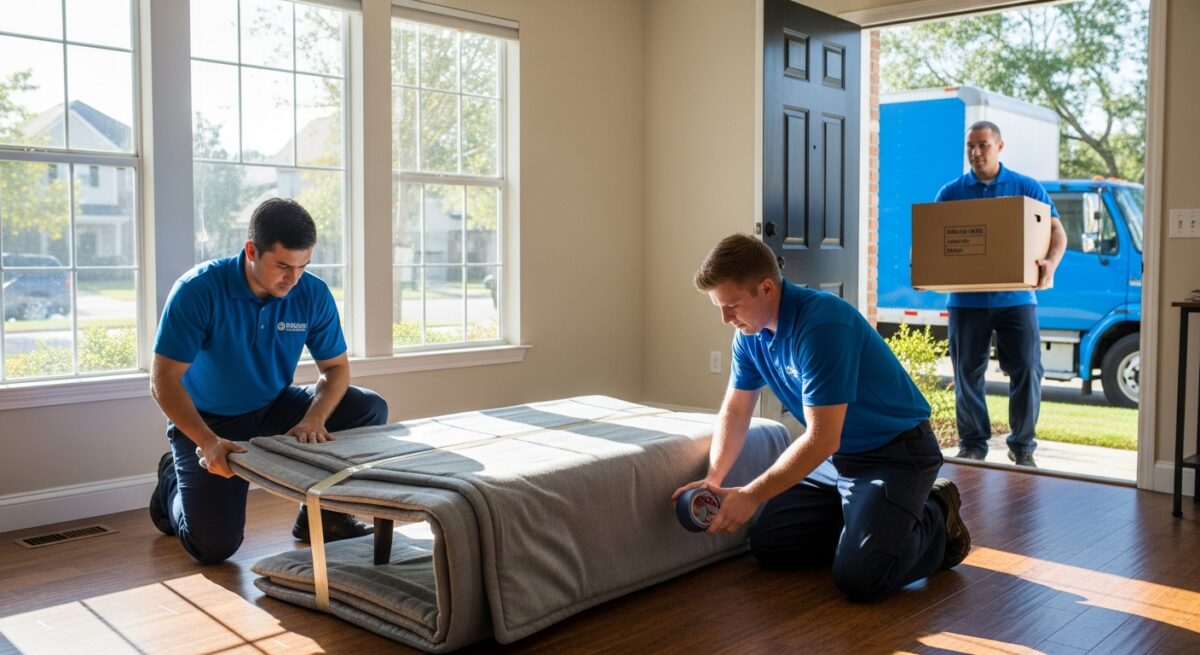
Moving day can feel overwhelming, especially when you consider the sheer volume of items that need to be safely packed and transported. The difference between a chaotic move and a smooth one often comes down to two things: how you prepare and whether you enlist professional help. Home packing services and moving preparation tips are not just about stuffing boxes; they are about creating a system that protects your belongings, saves you time, and reduces stress. Whether you are moving across town or across the country, understanding the right approach to packing can transform your entire experience.
Why Professional Packing Services Make a Difference
Many people assume that packing is a simple task that can be handled alone. However, professional packing services bring expertise that goes beyond basic box filling. Trained movers know how to wrap fragile items, disassemble furniture, and load boxes to prevent shifting during transit. They also have access to high-quality materials like double-walled boxes, bubble wrap, and specialized crating that most homeowners do not keep on hand. By opting for professional packing help, you reduce the risk of broken dishes, scratched furniture, and damaged electronics.
Another major advantage is time savings. Packing an entire home can take weeks if you do it yourself. A team of experienced packers can complete the job in a day or two, allowing you to focus on other critical tasks like changing your address, arranging utilities, and saying goodbye to neighbors. When you factor in the cost of materials and the potential for breakage, professional packing services often prove to be a worthwhile investment. In our guide on how local packing services create a stress free move, we explain how these teams streamline the process from start to finish.
Essential Moving Preparation Tips for a Smooth Transition
Preparation is the backbone of any successful move. Without a clear plan, even the best home packing services cannot prevent last-minute chaos. Start by creating a moving binder or digital folder to track important documents, receipts, and contact information. This single step will save you hours of searching later. Next, set a timeline. Ideally, you should begin preparing at least four to six weeks before your moving date.
Decluttering Before You Pack
One of the most effective moving preparation tips is to declutter before you pack a single box. Moving is the perfect opportunity to purge items you no longer need. Go room by room and sort belongings into four piles: keep, donate, sell, and toss. This process reduces the volume of items you need to move, which can lower your moving costs and make unpacking easier. Professional packers appreciate a decluttered home because it allows them to work faster and more efficiently. Plus, you will save money on packing supplies and moving truck space.
Consider hosting a garage sale or listing valuable items on online marketplaces. For items that are gently used but not worth selling, schedule a pickup with a local charity. Many organizations provide tax receipts, which can offset some of your moving expenses. Remember, every item you eliminate is one less thing to pack, transport, and unpack.
Key Components of Professional Home Packing
When you hire professional packing services, you can expect a systematic approach. Packers typically start with non-essential rooms like guest bedrooms and storage areas, then move to more frequently used spaces. They use color-coded labels or inventory sheets to track every box. This organization is critical for both the movers and your sanity on the other end.
Here are the core steps that professional home packing teams follow:
- Room-by-room assessment: Packers evaluate each room to determine the best packing strategy for different items, from delicate china to bulky furniture.
- Proper material selection: They choose the right box size and padding for each category of item, using specialty boxes for mirrors, artwork, and electronics.
- Secure wrapping techniques: Items are wrapped individually with kraft paper or bubble wrap, then nested with cushioning to prevent movement inside the box.
- Labeling and inventory: Every box is labeled with its destination room and a brief description of contents, creating a digital or paper inventory for easy tracking.
This methodical process ensures that your belongings arrive in the same condition they left. It also speeds up the unloading and unpacking process because you know exactly where each box belongs. If you are considering a DIY approach, you can still adopt these same principles. Invest in quality packing supplies and take the time to wrap items properly. The extra effort will pay off when you open boxes at your new home without finding shattered glass or dented corners.
How to Choose the Right Packing Service
Not all moving packing help is created equal. When evaluating home packing services, look for companies that offer a full range of options, from partial packing to full-service solutions. A reputable provider will send a representative to your home for a walkthrough before providing a quote. This allows them to assess the volume of items and identify any specialty items that require custom crating.
Ask about their packing materials. Do they use eco-friendly options? Are their boxes sturdy enough for heavy books and fragile glassware? Inquire about insurance coverage as well. Even with careful packing, accidents can happen. You want a company that stands behind its work and offers liability coverage for damaged items. Finally, read reviews from past customers. Look for feedback about punctuality, professionalism, and the condition of belongings upon arrival.
Another consideration is scheduling. Some packing services require a minimum number of hours or a specific minimum order value. Make sure the company can accommodate your timeline, especially during peak moving seasons like summer and the end of the month. Booking early is always advisable to secure your preferred date.
Preparing for the Movers: A Step-by-Step Checklist
Even if you hire professional packers, there are several things you should do before they arrive. This checklist will help ensure that the moving day goes smoothly:
- Create a priority box: Pack a separate bag or box with essentials you will need immediately at your new home, such as toiletries, a change of clothes, chargers, important documents, and basic kitchen items.
- Disconnect and prepare appliances: Refrigerators should be defrosted at least 24 hours in advance. Washing machines and dryers should be disconnected and secured. Label all cords and hoses for easy reinstallation.
- Secure valuables and important documents: Keep jewelry, cash, passports, and legal papers with you rather than packing them in the moving truck. These items are irreplaceable and should be transported personally.
- Communicate special instructions: If you have items that require extra care, such as a grand piano or antique vase, point them out to the crew leader. Clear communication prevents misunderstandings.
- Measure doorways and hallways: Confirm that large furniture pieces can fit through the doors and corridors of your new home. This simple step can prevent major headaches on moving day.
Following this checklist will help you avoid common pitfalls. For example, forgetting to defrost your refrigerator can lead to water damage and mold growth during the move. Similarly, failing to secure valuables can result in lost or stolen items. Preparation is your best defense against unexpected problems.

Cost Considerations for Home Packing Services
Budget is a major factor in any move. The cost of home packing services varies depending on the size of your home, the number of items, and the level of service you choose. Full-service packing, where the moving company handles everything, is naturally more expensive than partial packing or a DIY approach. However, many people find that the time and stress saved are well worth the expense.
To get an accurate estimate, request quotes from at least three different providers. Be transparent about your needs. If you have a large collection of fragile items or specialty items like artwork, mention these during the quote process. Some companies charge extra for materials like custom crating or heavy-duty wrapping. Ask for a detailed breakdown of costs so there are no surprises on moving day. You can also save money by packing non-fragile items yourself, such as clothing, linens, and books, while leaving fragile and bulky items to the professionals.
If you are working with a tight budget, consider a hybrid approach. Use professional packing services for the most challenging rooms, like the kitchen and home office, and handle the rest yourself. This strategy gives you the best of both worlds: professional expertise where you need it most and cost savings in areas where you feel confident.
Common Mistakes to Avoid When Packing for a Move
Even with the best intentions, people make mistakes during the packing process. One of the most frequent errors is overloading boxes. A box that is too heavy is difficult to lift and prone to breaking. As a rule of thumb, keep each box under 50 pounds. Use smaller boxes for heavy items like books and larger boxes for lightweight items like pillows and bedding.
Another mistake is failing to label boxes properly. A box labeled simply “kitchen” is not helpful when you are searching for a specific pot or utensil. Instead, include a brief list of contents, such as “kitchen: pots and pans” or “kitchen: coffee maker and mugs.” Better yet, use a color-coding system where each room gets a unique color sticker. This makes it easy for movers to place boxes in the correct rooms without having to read every label.
People also tend to forget about hazardous materials. Items like paint, cleaning chemicals, propane tanks, and batteries are often prohibited from moving trucks due to safety regulations. Set these aside and dispose of them properly before moving day. Your moving company can provide a list of prohibited items. Finally, do not wait until the last minute to pack. Rushing leads to careless wrapping, lost items, and increased stress. Spread the work out over several weeks to maintain your sanity.
Frequently Asked Questions
What is typically included in professional home packing services?
Most professional packing services include the supply of packing materials, wrapping and boxing of all items, labeling, and inventory management. Some companies also offer unpacking services at your new home. Always confirm the scope of work before signing a contract.
How far in advance should I book packing services?
It is best to book at least two to four weeks before your move, especially during peak season. Popular moving dates fill up quickly, and early booking ensures you get the time slot you need.
Can I pack my own boxes and still hire movers?
Yes, many moving companies offer a hybrid service where you pack your own items and they handle the loading, transport, and unloading. However, be aware that the moving company may not be liable for damage to items you packed yourself. Check their policy on this before proceeding.
Do I need to be home during the packing process?
It is advisable to be present or have a trusted representative on site. You can answer questions, point out special items, and ensure that everything is handled according to your preferences. Most packers work efficiently and will appreciate your availability.
What should I do with items I want to keep but not move?
Consider renting a storage unit for items you want to keep but do not need immediately. Many moving companies offer storage solutions as part of their services. This is a great option for seasonal items, heirlooms, or furniture that will not fit in your new space right away.
Final Thoughts on Your Move
Moving does not have to be a source of anxiety. With the right combination of home packing services and moving preparation tips, you can turn a potentially chaotic process into an organized and manageable one. Professional packers bring speed, skill, and materials that protect your belongings, while thoughtful preparation ensures that nothing is overlooked. By starting early, decluttering, and communicating clearly with your moving team, you set the stage for a successful relocation. For those looking to further streamline their financial transition, some families find it helpful to explore options like car loan refinancing to free up cash for moving expenses. Ultimately, the goal is to arrive at your new home feeling excited rather than exhausted. With careful planning and the right support, that goal is entirely achievable.