Office Furniture Movers: Planning Your Business Relocation
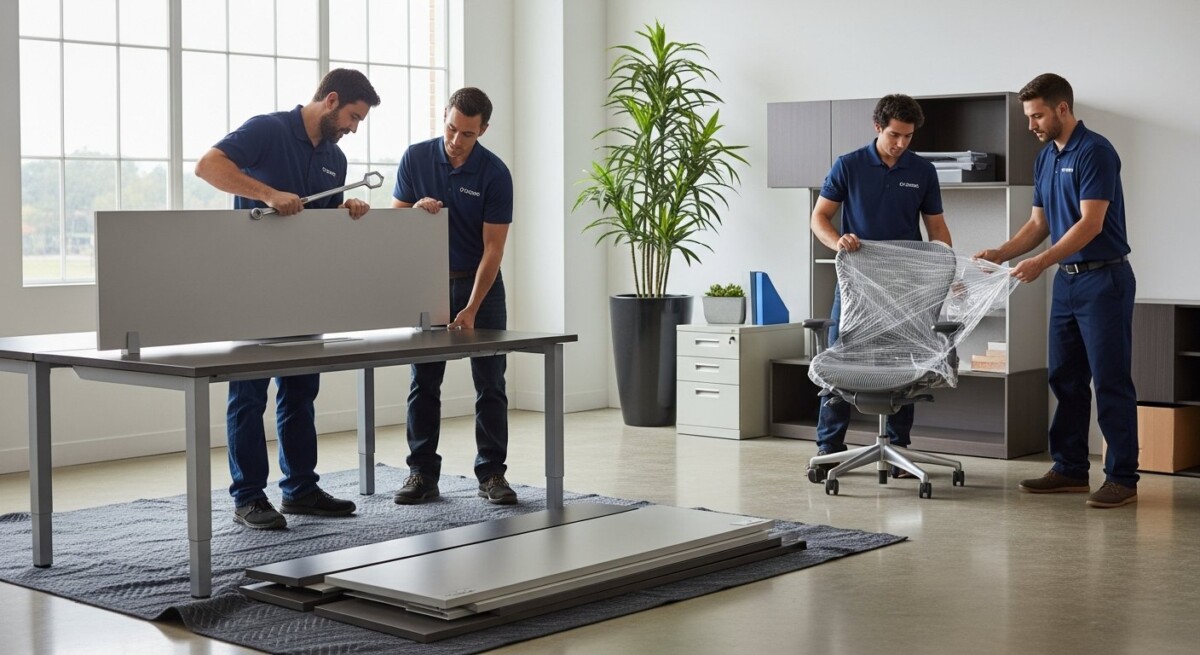
Relocating an office is a monumental task that extends far beyond packing personal items. The true logistical challenge, and often the most significant investment, lies in moving the physical infrastructure of your business: the desks, chairs, conference tables, filing cabinets, and specialized equipment. Unlike a residential move, an office relocation involves complex disassembly, heavy lifting, precise reassembly, and minimal business interruption. Choosing the right office furniture movers is not just a logistical decision, it’s a critical business strategy that protects your assets and ensures a swift return to productivity. A poorly executed move can result in damaged furniture, injured employees attempting to help, lost productivity, and hidden costs that derail your budget.
Why Specialized Office Movers Are Essential
Attempting an office move with a standard residential moving company or, worse, a DIY approach with your staff, is a recipe for complications. Professional office furniture movers bring a specific skill set and equipment designed for the commercial environment. They understand the value of time in a business context and plan for efficiency above all else. Their crews are trained in the proper techniques for disassembling modular workstations, protecting delicate glass surfaces, and moving heavy, awkward items like lateral files and safes without damage to the item or your premises. Furthermore, they carry commercial-grade insurance that covers the high replacement value of office furniture, a level of protection rarely offered by residential movers. This expertise directly translates to risk mitigation, allowing your team to focus on their core responsibilities instead of physical labor.
The process begins with a detailed survey. Reputable office movers will conduct an on-site walkthrough of both your current and future locations. This isn’t a quick quote, it’s a strategic planning session. They will inventory all items, note any special requirements (like elevator reservations or building access restrictions), identify items that require disassembly, and map out the most efficient flow for loading and unloading. This survey forms the blueprint for the entire move, ensuring there are no surprises on moving day. For a deeper dive into selecting the right partner, our guide on how to hire office furniture moving companies for business moves outlines the key vetting criteria.
Key Services Offered by Professional Office Movers
A full-service office furniture moving company provides a comprehensive suite of services that go beyond transportation. Understanding these services helps you communicate your needs and evaluate proposals accurately.
First is the pre-move planning and project management. A dedicated move coordinator becomes your single point of contact, managing timelines, vendor coordination (like IT and telecom), and communicating the plan to your team. Next is the packing and labeling. Professional movers use high-quality materials to pack electronics, desk contents, and fragile items. They implement a color-coded or numbered labeling system that corresponds to a floor plan of the new office, ensuring every item arrives in its correct room. The core service is the furniture disassembly, protection, and transport. They use padded blankets, plastic wrap, and custom crating to protect surfaces during transit. Finally, post-move services include furniture reassembly, placement according to your plan, removal of all packing debris, and often a “fine-tuning” visit a few days later to adjust any items.
Creating a Detailed Moving Plan and Timeline
The success of an office relocation hinges on a meticulous, phased plan developed well in advance. A typical timeline for a small to mid-sized office move spans 3-6 months. The first phase, 3-6 months out, involves selecting your moving company and forming an internal move committee. Key decisions about the new office layout should be finalized, as the floor plan dictates the moving strategy. Two months prior, you should begin purging unnecessary furniture and files,moving items you no longer need is a waste of resources. Communicate the move timeline to all employees and begin distributing personal packing supplies.
One month before the move, the plan becomes concrete. The moving company should provide a detailed schedule and all employees should receive their individual move instructions. IT and telecommunications vendors must be scheduled for disconnect and reconnect. The week of the move is for final preparations: backing up all critical data, packing personal items, and holding a final briefing with the move coordinator. The moving day itself should be a well-orchestrated execution of the plan, with employees ideally having a day off to avoid safety hazards. The days following involve unpacking, systems verification, and addressing any minor issues. A clear budget is part of this plan. When discussing costs, it’s wise to get a free moving quote from vetted professionals to understand the market rate and avoid hidden fees.
Cost Factors and Budgeting for Your Office Move
The cost of hiring office furniture movers is influenced by a matrix of variables. Understanding these factors prevents sticker shock and allows for accurate budgeting. The primary cost drivers include the volume and weight of your furniture, the distance between locations, and the complexity of access at both sites (stairs, elevators, long carries). Services like packing, unpacking, furniture disassembly/reassembly, and storage will add to the total but often save money in the long run by increasing efficiency and reducing damage. The timing of your move also matters, weekends and end-of-month dates are peak times and may command a premium.
To manage costs effectively, start by obtaining at least three detailed, written estimates from reputable companies. These should be binding or not-to-exceed quotes, not vague approximations. Be transparent about everything that needs to move during the initial walkthrough. Consider what you can purge or sell before the move, reducing the volume and cost. If possible, schedule the move during off-peak days. Finally, ensure the quote includes all potential extras: shuttle services if a large truck cannot access the site, fuel surcharges, insurance valuation coverage, and fees for moving special items like plants or artwork. A clear, inclusive contract is your best financial protection.
Questions for Your Potential Moving Partner
Vetting your office furniture movers through pointed questions is non-negotiable. Beyond checking licenses and insurance, ask about their specific experience with moves similar in size and scope to yours. Request references and follow up on them. Inquire about the crew: are they full-time, W-2 employees or day laborers? Full-time crews are typically more experienced and reliable. Ask how they handle unforeseen challenges, like an item that doesn’t fit in the planned elevator. Discuss their damage claim process upfront, so you know the procedure if something goes wrong. Finally, clarify the chain of command on move day: who is the on-site foreman, and how do you communicate with them?
Pre-Move Checklist for Office Managers
To ensure a smooth transition, office managers should oversee a systematic pre-move process. Use this checklist to stay organized:
- Inventory and label all furniture and equipment with destination room numbers.
- Create a detailed floor plan for the new office and share it with the moving company.
- Coordinate disconnect/reconnect dates for all utilities, internet, and phone services.
- Arrange for the transfer or update of security systems and access cards.
- Notify clients, vendors, and service providers of your address change and any downtime.
- Plan for the secure transport of sensitive data, servers, and legal documents.
- Assign move-day roles to internal staff (e.g., point person for each department).
- Confirm building access, parking permits, and elevator reservations for both locations.
Executing this checklist minimizes last-minute chaos and ensures that when the movers arrive, the environment is prepared for efficient work. The goal is to create a seamless handoff where the professionals handle the heavy lifting according to a clear, agreed-upon plan.
Frequently Asked Questions
How far in advance should I book office furniture movers?
For a standard office move, you should begin contacting and vetting companies 4-6 months in advance. Aim to book your chosen mover at least 2-3 months before your move date, especially if relocating during a busy season (summer, end of month).
What is the difference between valuation and insurance?
Movers are required to offer two primary levels of liability: Released Value Protection (included at no extra cost but covers only 60 cents per pound per item) and Full Value Protection (an added cost that covers repair, replacement, or cash settlement for lost or damaged items). You should also check your own business insurance policy for complementary coverage.
Should employees pack their own desks?
Employees can pack personal items and non-sensitive work materials, often with supplies provided by the company or mover. However, for efficiency and security, it is recommended that professional movers pack electronics, fragile items, and common areas. Sensitive documents should be packed and transported under managerial supervision.
What happens to furniture we no longer want?
Many office moving companies offer furniture liquidation or disposal services. They can often arrange for the donation, resale, or environmentally responsible recycling of old furniture, saving you the hassle and potentially offsetting some moving costs.
How can we minimize business downtime?
Plan the move over a weekend or holiday. Use a phased move if possible, relocating non-essential departments first. Ensure IT infrastructure is set up and tested in the new space before staff arrive. A well-planned move with professional office furniture movers can often limit downtime to just the moving days themselves.
A successful office relocation is a testament to careful planning and partnership with the right experts. By investing in specialized office furniture movers, you invest in the protection of your physical assets, the safety of your people, and the swift resumption of business operations. The upfront planning and cost are outweighed by the avoidance of costly delays, damages, and operational headaches. View your moving partner as an extension of your project team, and together, you can execute a transition that positions your business for success in its new environment.