
Moving With a Dog Long Distance by Car or Mover
Moving with a dog long distance by car or mover takes planning. Call 8334848675 for expert help and keep your pet calm, safe, and comfortable.

By Olivia Johnson
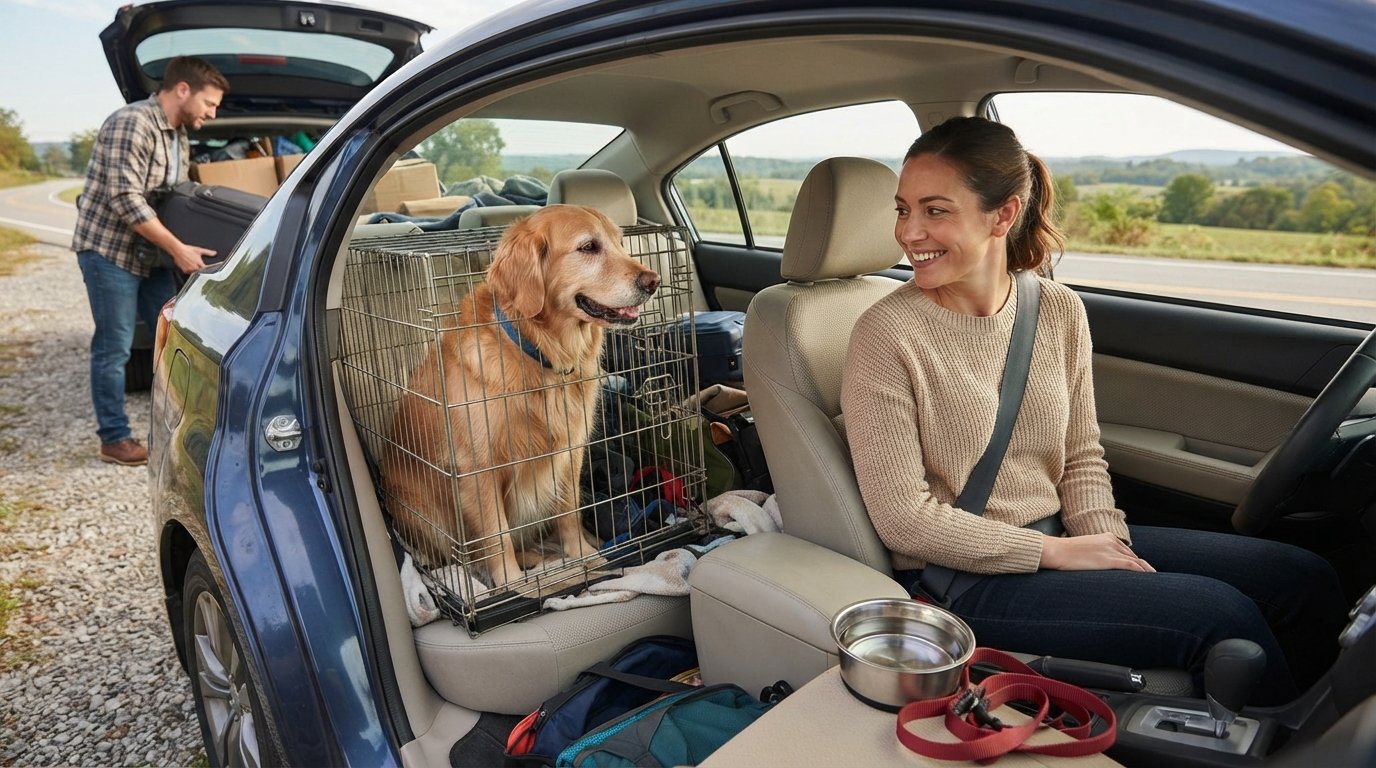
Relocating across the country is already one of life's most demanding events. Add a dog to the equation and the logistics multiply fast. Suddenly you are not just mapping a route and comparing quotes, you are also thinking about bathroom breaks on the interstate, whether your dog will tolerate a stranger's truck cab, and how to keep a nervous animal calm in an unfamiliar hotel room. The good news is that moving with a dog long distance by car or mover is entirely manageable when you plan around the animal first and the logistics second.
This guide walks you through both options honestly, from pre-trip vet visits and car safety gear to professional pet transport and settling-in strategies at your new address. Whether you are driving a packed sedan with a crate in the back seat or handing your dog over to a licensed pet carrier, the goal is the same: a safe, low-stress journey for the four-legged member of your family.
Decide Whether Your Dog Rides With You or Travels Separately
The first real decision is whether your dog travels in your own vehicle or through a professional service. Both approaches work, but they suit different dogs, budgets, and moving timelines. A dog who loves car rides and handles new places well is often happiest staying with you. A dog who panics in cars, is too large for your vehicle once it is loaded, or has health issues that need monitoring may be better served by an experienced pet transport company.
Cost is a major factor. Driving with your dog usually adds only the expense of pet-friendly lodging, extra food, and maybe a seat cover or crate. Hiring a professional pet mover can run several hundred to a few thousand dollars depending on distance, animal size, and whether the service is door-to-door or airport-to-airport. For a full cost breakdown that helps you compare this against your overall moving budget, see our long distance moving cost calculator and quote guide, which explains how pet transport and other line items fit into a cross-country move.
Your dog's temperament should carry the most weight. Signs that your dog would do better with a professional include severe car anxiety, a history of escape attempts, or a need for medication that you are not comfortable administering on the road. Signs that your dog would thrive on a road trip include curiosity about new places, comfort in a crate, and a strong bond with you that makes your presence calming rather than stressful.
- Choose a road trip with you if your dog is crate-trained, enjoys car rides, and is in good health.
- Choose a professional pet mover if your dog is anxious, very large, or requires specialized handling.
- Consider a hybrid approach: drive together for part of the route, then fly your dog on a pet-friendly airline for the longest leg.
Whichever you pick, lock in the decision at least six to eight weeks before moving day. Professional pet transporters book up quickly in peak moving season, and airlines have limited space for animals, so early planning prevents last-minute scrambling.
Preparing Your Dog Before the Move
Preparation starts at the veterinarian's office. Schedule a checkup at least a month before your move date so there is time to address any issues. Ask your vet for a health certificate, which many states and airlines require within ten days of travel, and update rabies and other vaccinations. If your dog takes medication for anxiety, allergies, or a chronic condition, request enough refills to cover the trip plus the first few weeks in your new home.
This is also the moment to confirm identification. A microchip is the gold standard, but it only works if your contact information is current in the registry. Update your address and phone number in the microchip database before you leave, and add a temporary cell number if you will be unreachable on your old line. A sturdy collar with a clearly written ID tag, including your destination city, provides a backup.
If your dog has never been comfortable in a car, start short practice drives weeks in advance. Begin with five-minute loops around the block, reward calm behavior, and gradually extend the distance. Pair these sessions with positive associations: a favorite toy, a special treat that only appears in the car, and a blanket that smells like home. By the time the real trip begins, the car should feel less like a trap and more like a familiar den.
For dogs who fly as cargo or travel with a pet transport service, get them used to the carrier well ahead of time. Leave the crate open in a common area with treats inside, feed meals near it, and eventually close the door for short periods while you are nearby. A dog who sees the crate as a safe space will handle the journey far better than one who only encounters it on departure day.
Packing a Dog Travel Kit for a Long-Distance Move
Your dog's supplies should travel in a dedicated bag that stays with you, not in the moving truck. Even if the rest of your belongings are delayed, you will have everything needed for the first few days. Think of it as a go-bag for your pet, and pack it with the same care you would pack your own essentials.
Start with food and water. Bring enough of your dog's regular food for the entire trip plus a few extra days, because switching brands abruptly can cause digestive upset. Collapsible bowls save space, and a gallon of water from home can help ease the transition since some dogs are sensitive to changes in water. If your dog is prone to motion sickness, ask your vet about anti-nausea medication and bring it in the original packaging.
Health and safety items matter just as much. Pack any prescription medications, a copy of vaccination records, the health certificate, and a basic first-aid kit with gauze, antiseptic wipes, and tweezers. A favorite blanket or toy provides comfort, and a spare leash and collar protect against lost or broken gear. Waste bags, paper towels, and a small bottle of pet-safe cleaner handle accidents without stress.
- Food, water, bowls, and a supply of treats for the road.
- Medications, health certificate, vaccination records, and first-aid supplies.
- Crate or carrier, seat belt harness, and a familiar blanket or toy.
- Leash, collar with ID tags, waste bags, and cleanup supplies.
Keep this kit within arm's reach in the car rather than buried in the trunk. When you stop for breaks, you will want quick access to the leash and waste bags, and if you need to check on your dog during the drive, having supplies nearby reduces distraction and keeps everyone safer.
Driving Long Distance With Your Dog: Route and Rest Stop Strategy
A long-distance drive with a dog is less about covering maximum miles and more about maintaining a rhythm that keeps your pet comfortable. Plan to stop every two to three hours for a bathroom break, a short walk, and a drink of water. These breaks are not just for the dog; they give you a chance to stretch, refuel, and reset before the next stretch of highway.
Choose pet-friendly rest stops and truck stops rather than crowded tourist areas. Look for grassy patches away from traffic, and always keep your dog leashed. Even a well-trained dog can bolt when startled by a loud truck or an unfamiliar smell, so a secure harness and a firm grip on the leash are non-negotiable. Avoid dog parks on travel days, since unfamiliar dogs and new environments can lead to scuffles or stress.
Never leave your dog alone in a parked car. Temperatures inside a vehicle can rise dangerously within minutes, even on mild days with windows cracked. If you need to eat, choose a restaurant with a patio where your dog can sit beside you, or take turns going inside while the other person stays with the dog. For overnight stays, book pet-friendly hotels in advance and confirm the pet policy, including any size or breed restrictions.
Feed your dog a light meal a few hours before departure rather than right before you leave, and avoid heavy treats in the car. A full stomach combined with motion can trigger vomiting, which turns a smooth drive into a messy one. If your dog is prone to car sickness, a small piece of ginger or a vet-recommended supplement can help, but always test it at home before relying on it during the trip.
Using a Professional Mover or Pet Transport Service
If you decide your dog will travel separately, you have two main paths: a dedicated pet transport company or a moving company that offers pet shipping as an add-on. Dedicated pet transporters focus solely on animals, often using climate-controlled vans, and provide regular updates. Some moving companies partner with pet transport specialists, which can simplify coordination if you are already booking a full-service move.
When vetting a pet transport service, ask about experience with your dog's breed and size, how often animals are exercised and watered, and whether the driver stays with the animals overnight. Request references and check online reviews carefully. A reputable company will welcome questions and provide clear answers about safety protocols, insurance coverage, and contingency plans for delays or emergencies.
If you are hiring a moving company for your household goods, ask whether they can recommend or arrange pet transport. Many full-service movers have trusted partners, and bundling services can reduce coordination headaches. For homeowners who also need repairs or upgrades at their new property, platforms like FreeQuotes.Contractors connect you with pre-vetted local contractors for everything from roofing to HVAC, which can be useful once you have settled in with your dog.
Before handing your dog to any transporter, confirm the pickup and delivery windows, the type of vehicle, and the name of the person who will be driving. Provide a written care sheet with feeding instructions, medication schedules, behavioral quirks, and emergency contacts. Include your vet's name and number plus a local contact at your destination in case you are unreachable during the trip.
Preparing Your New Home for Your Dog's Arrival
Your dog's first hours in a new home set the tone for the weeks ahead. Before you arrive, choose a quiet room or corner where your dog can decompress. Set up the crate, bed, water bowl, and a few familiar toys there. This safe zone gives your dog a place to retreat when the house feels overwhelming, and it prevents the animal from being underfoot while movers carry boxes through the door.
Walk your dog around the new neighborhood on a leash before letting them explore the yard. Even if the yard is fenced, a new environment can be disorienting, and a dog who has never seen the property may find a gap or dig under a fence. Keep the first few walks short and calm, and gradually expand the territory as your dog gains confidence.
Update your dog's microchip registration and ID tags with the new address as soon as possible. If your dog slips out during the chaos of unpacking, current contact information is the fastest way to get them home. Locate the nearest emergency veterinary clinic and a regular vet within the first week, and transfer records from your old clinic.
Routine is reassuring. Feed your dog at the same times as before, take walks on a consistent schedule, and keep training expectations gentle for the first week or two. Some dogs adjust within days, while others need a month or more to settle. Patience, praise, and a predictable routine will do more for your dog's peace of mind than any gadget or supplement.
Common Mistakes to Avoid When Moving With a Dog
Even well-meaning owners make mistakes that turn a manageable trip into a stressful ordeal. One of the most common is leaving the dog's supplies in the moving truck. If the truck is delayed, you are left without food, medication, or a leash. Always keep pet essentials in your own vehicle or carry-on bag.
Another frequent error is skipping the pre-move vet visit. Without a health certificate or updated vaccinations, you may be turned away at state lines, airports, or pet-friendly lodging. A little paperwork upfront saves enormous trouble later.
Finally, do not underestimate the value of practice. A dog who has never been in a car for more than ten minutes will struggle on a twelve-hour drive. Build up gradually, reward calm behavior, and consult your vet about anxiety options if needed. With preparation, patience, and a clear plan, moving with a dog long distance by car or mover becomes just another part of the adventure rather than a source of dread.