Moving Packing Checklist for a Stress Free Move
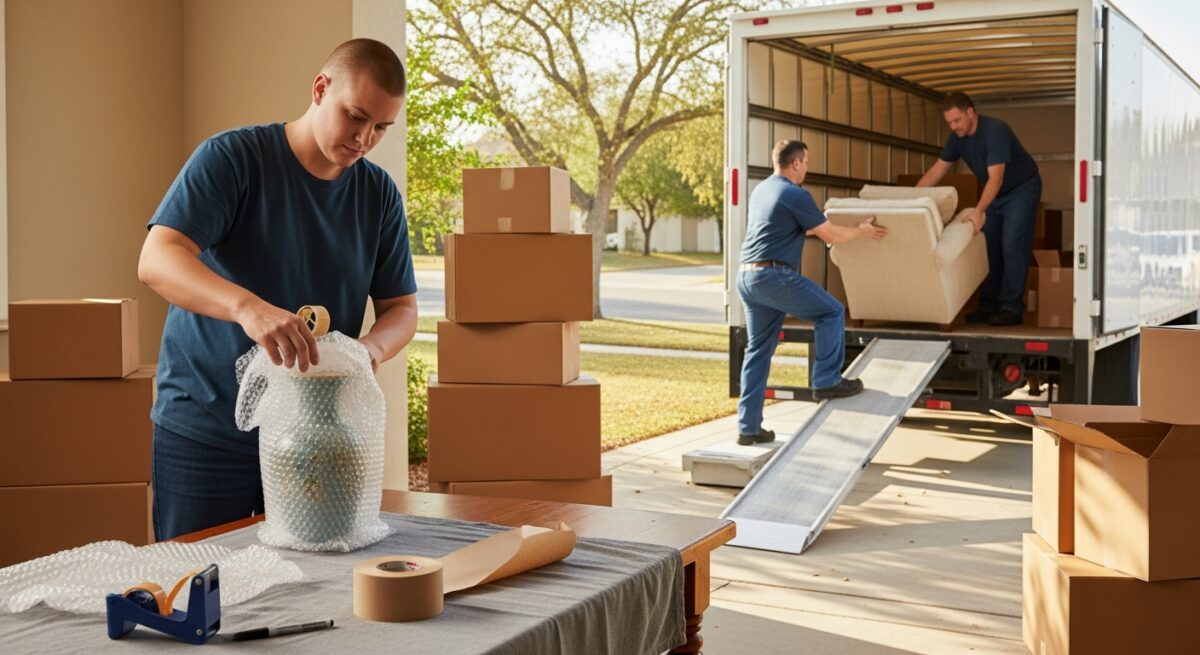
Moving is one of life’s most stressful events, but a well-organized packing strategy can transform the experience. Without a plan, you face last-minute chaos, damaged items, and forgotten essentials. A thorough moving packing checklist for a stress free move is your roadmap to sanity. It turns a daunting task into a manageable series of steps, ensuring you know exactly what to pack, when to pack it, and how to protect your belongings. This guide provides a complete packing for move checklist, breaking down every phase from early preparation to the final box. By following this moving and packing checklist, you will save time, reduce anxiety, and arrive at your new home ready to settle in.
Why a Packing Checklist for Moving Is Essential
Attempting to pack without a plan often leads to frustration and mistakes. You might run out of boxes, forget to label critical items, or pack seasonal gear in the middle of summer. A packing checklist for moving keeps you organized and on schedule. It helps you track progress, allocate resources, and avoid duplicate efforts. Think of it as your project manager for the move. With a detailed list, you can delegate tasks to family members or professional movers with confidence. You also reduce the risk of losing small but valuable items like jewelry, important documents, or chargers. A checklist ensures nothing slips through the cracks.
Professional movers emphasize the value of preparation. When you have a clear packing checklist for moving, you can focus on protecting fragile items and optimizing box space. It also helps you decide what to donate, sell, or discard before packing, which reduces volume and cost. In our guide on Cost Estimation and Budgeting for a Stress Free Move, we explain how early planning directly impacts your final expenses. A good checklist integrates budgeting considerations, helping you choose the right supplies and services without overspending.
Your Comprehensive Moving Packing List
Creating a successful moving packing list requires breaking the process into phases. Each phase has distinct tasks and timelines. Below is a step-by-step moving packing list that you can adapt to your specific needs. It covers everything from gathering supplies to labeling boxes for easy unpacking.
Phase 1: Gather Supplies and Declutter (4-6 Weeks Before Move)
Start by collecting all necessary packing materials. This includes sturdy boxes in various sizes, packing tape, bubble wrap, packing paper, markers, and labels. You can order a moving kit from your moving company or purchase supplies from a local store. Having everything on hand before you start packing prevents interruptions.
Simultaneously, go through every room and sort items into three categories: keep, donate, and discard. This is the most effective decluttering strategy. Be ruthless. Ask yourself if you have used an item in the past year. If not, it is probably safe to let it go. Reducing your load lowers moving costs and simplifies unpacking. A good rule of thumb is to fill one donation box per room. Schedule a pickup with a local charity or drop off items yourself.
Phase 2: Pack Non-Essentials First (3-4 Weeks Before Move)
Focus on items you will not need in the weeks leading up to the move. This includes off-season clothing, holiday decorations, books, and rarely used kitchen gadgets. Pack these items securely using proper techniques. Place heavy items in small boxes to prevent lifting injuries. Wrap fragile items individually and fill empty spaces with packing paper or bubble wrap.
Label each box clearly with its contents and destination room. Use a color-coded system if you have multiple movers. For example, blue labels for the kitchen, red for the living room. This simple step saves hours during unpacking. Keep a master inventory list on your phone or in a notebook. This helps you track which boxes are packed and ensures nothing is left behind.
Phase 3: Pack Everyday Essentials (1-2 Weeks Before Move)
Now it is time to pack items you use daily but can live without for a short period. This includes extra linens, most kitchenware, and non-essential electronics. Create a separate “essentials box” for items you will need immediately upon arrival. This box should contain toiletries, a few changes of clothes, phone chargers, medications, and basic kitchen supplies like a coffee maker and disposable plates. Mark this box clearly with a bright label and keep it with you during the move, not in the moving truck.
As you pack, take photos of electronic setups before disconnecting cables. This makes reconnection much easier. Use zip ties or labels to identify which cable belongs to which device. For fragile items like mirrors and artwork, use specialized boxes and plenty of padding. If you are unsure about packing valuable antiques or electronics, consider hiring professional packers. Many moving companies offer packing services that include insurance for added peace of mind.
Phase 4: Final Packing and Loading (Day Before and Day of Move)
The final phase covers what you need on moving day itself. Pack your bedding, towels, and last-used kitchen items. Defrost your refrigerator and clean it thoroughly. Set aside a bag with chargers, wallets, keys, and important documents like passports and lease agreements. Do not pack these items in the truck. Keep them with you at all times.
Before the movers arrive, do a final walkthrough of every room, closet, and storage space. Check the attic, basement, and garage for forgotten items. Confirm that all boxes are sealed and labeled. Have a small tool kit handy for disassembling furniture or removing screws. Communicate any special instructions to the moving crew, such as fragile items that need extra care. Following this moving and packing checklist ensures a smooth loading process and minimizes the risk of damage.

Essential Packing Tips for a Stress Free Move
Beyond the checklist, certain techniques make packing more efficient and safer. Use these tips to protect your belongings and streamline the process.
- Use the right box size. Heavy items like books go in small boxes. Light items like pillows and bedding go in large boxes. This prevents boxes from becoming too heavy to lift.
- Reinforce box bottoms. Apply extra tape along the bottom seams of each box to prevent collapse. Double-layer the bottom for added strength.
- Wrap fragile items individually. Use bubble wrap or packing paper for each plate, glass, or figurine. Stack plates vertically rather than flat to reduce pressure.
- Fill empty spaces. Stuff packing paper or towels inside boxes to prevent items from shifting. This reduces breakage during transport.
- Label boxes on multiple sides. This makes it easy to identify contents even when boxes are stacked. Include a brief description and the destination room.
Packing efficiently also means protecting larger items like furniture and mattresses. Use furniture blankets or shrink wrap to prevent scratches and dust. Disassemble bed frames and table legs when possible. Keep all screws and hardware in a labeled bag taped to the piece of furniture. For electronics, use original boxes if available. If not, wrap them in anti-static bubble wrap and place them in sturdy boxes with cushioning.
What to Pack in Your Moving Day Essentials Bag
Your moving day essentials bag is your lifeline. It contains everything you need for the first 24 hours in your new home. Pack this bag separately and keep it with you at all times. Here is what to include:
- Toiletries (toothbrush, toothpaste, soap, shampoo, deodorant)
- A change of clothes and pajamas
- Phone chargers and power banks
- Important documents (IDs, lease, insurance policies, medical records)
- Medications and first aid kit
- Snacks and bottled water
- Basic tools (screwdriver, scissors, utility knife)
- Disposable plates, cups, and utensils
- Paper towels and trash bags
- Laptop, tablet, or other essential electronics
Having this bag ready reduces stress on moving day. You will not need to rummage through boxes to find your toothbrush or phone charger. It also ensures you have access to critical documents in case of an emergency. After the movers leave, you can focus on unpacking without worrying about immediate needs.
Frequently Asked Questions
How far in advance should I start packing for a move?
Start packing at least 4 to 6 weeks before your move date. This gives you enough time to declutter, gather supplies, and pack non-essential items. For a large home, consider starting even earlier. Spreading the work over several weeks reduces stress and prevents last-minute rushing.
What is the best way to pack fragile items?
Wrap each fragile item individually in bubble wrap or packing paper. Use plenty of cushioning material at the bottom and sides of the box. Place heavier items at the bottom and lighter items on top. Fill any empty spaces with packing paper or towels to prevent shifting. Label the box as “FRAGILE” on all sides.
Should I pack my own boxes or hire professional packers?
It depends on your budget and time. DIY packing saves money but requires effort and careful planning. Professional packers are faster and often provide insurance for damaged items. If you have valuable antiques, electronics, or a tight schedule, hiring packers is a wise investment. Many moving companies offer packing services as part of their moving and packing checklist packages.
How do I label moving boxes effectively?
Label each box with the destination room (e.g., “Kitchen”) and a brief description of contents (e.g., “Pots and pans”). Use color-coded labels or markers for each room. Number each box and keep a master inventory list. This makes it easy to verify that all boxes arrived and simplifies unpacking.
What items should I not pack in the moving truck?
Do not pack hazardous materials like propane tanks, paints, cleaning chemicals, or batteries. Also avoid packing perishable food, plants, important documents, jewelry, cash, and medications. Keep these items with you in your car or essentials bag. Most moving companies provide a list of prohibited items, so check with your mover beforehand.
Final Thoughts on Your Moving Packing Checklist
A well-executed move starts with a solid plan. Using a detailed moving packing checklist for a stress free move gives you control over the process and reduces anxiety. By breaking the work into phases, you avoid overwhelm and ensure nothing is forgotten. Remember to declutter early, pack systematically, and keep your essentials bag handy. Whether you are moving across town or across the country, the right preparation makes all the difference. For additional support, consider reaching out to professional movers who can handle the heavy lifting and provide expert packing services. Your new home awaits, and with this checklist, you will arrive ready to enjoy it. Learn more