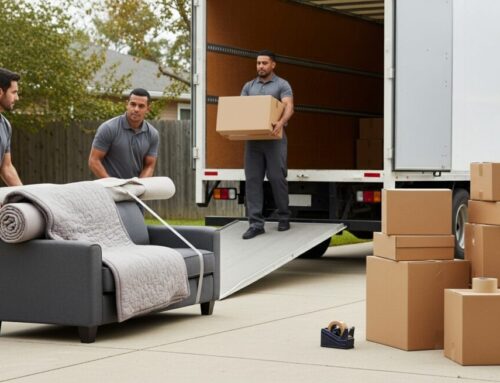
Cost Estimation and Budgeting for a Stress-Free Move

Planning a move can feel overwhelming, especially when you start thinking about the price tag. You might wonder how much you will actually spend and whether hidden fees will blow your budget. The key to a smooth relocation is mastering cost estimation and budgeting from the very start. When you understand where your money goes and how to predict expenses accurately, you can avoid financial surprises and focus on settling into your new home.
Many people underestimate moving costs because they only consider the obvious items like hiring a truck or paying movers. In reality, a successful move involves many smaller expenses that add up quickly. These can include packing supplies, travel costs, temporary housing, and even utility deposits. Without a clear budget, you might find yourself scrambling for funds at the last minute. This article walks you through practical steps to create a realistic moving budget, explains common cost factors, and offers strategies to keep your expenses under control.
Why Accurate Cost Estimation Matters
Getting your budget right from the beginning sets the tone for the entire moving process. When you have a reliable estimate, you can make informed decisions about which services to use and how to allocate your money. For example, if you know that professional packing will cost an extra $500, you can decide whether to pay for that convenience or pack everything yourself. Without a solid estimate, you risk overspending or cutting corners in ways that create more stress later.
Accurate cost estimation also helps you compare moving companies effectively. When you request quotes from different providers, you need to understand what each quote includes. Some companies offer a binding estimate that guarantees the final price, while others provide non-binding estimates that can change on moving day. Knowing the difference protects you from unexpected charges. In our guide on corporate move budgeting cost and planning, we explain how to evaluate these estimates for business relocations, but the same principles apply to personal moves.
Finally, a well-researched budget gives you peace of mind. You can plan your finances weeks or months in advance, setting aside money for deposits, fees, and incidentals. This reduces anxiety and lets you focus on the excitement of your new home rather than worrying about money.
Key Factors That Influence Moving Costs
Several variables determine how much your move will cost. Understanding these factors helps you create a more accurate estimate and identify areas where you can save.
Distance and Volume of Belongings
The distance you are moving is the single biggest cost driver. Local moves (under 50 miles) are typically charged by the hour, while long-distance moves are priced based on weight and distance. The more items you have, the larger the truck you need and the more labor required. To get a precise estimate, you should inventory everything you plan to move, including furniture, boxes, and specialty items like pianos or artwork.
Time of Year and Timing
Moving during peak season (May through September) costs more because demand is high. Weekends and the end of the month are also more expensive. If you can, schedule your move for a weekday in the off-season to save money. Additionally, booking your moving company well in advance often locks in lower rates and ensures availability.
Additional Services
Beyond basic loading and unloading, you might need extra services such as packing, unpacking, furniture disassembly and reassembly, or specialty crating. Each service adds to the total cost. For example, full-service packing can double your moving bill, but it saves you days of work. Decide which services are worth the investment based on your time and budget.
How to Build a Moving Budget Step by Step
Creating a moving budget does not have to be complicated. Follow these steps to build a realistic financial plan that covers all your bases.
First, start by listing every potential expense. Think beyond the obvious moving company fees. Include these categories in your list:
- Moving company charges (binding or non-binding estimate)
- Packing supplies (boxes, tape, bubble wrap, markers)
- Travel costs (gas, tolls, meals, lodging if moving long distance)
- Storage fees if you need temporary storage
- Utility deposits and connection fees at your new home
- Cleaning supplies for both old and new residences
- Professional cleaning service if required by your lease
- Insurance for your belongings during transit
- Childcare or pet care on moving day
- Tips for movers (typically 15-20% of the total move cost)
Once you have your list, research costs for each item. Get quotes from at least three moving companies, check prices for packing supplies online, and call utility providers to learn about deposit requirements. Use a spreadsheet or a budgeting app to track everything. After you have realistic numbers, add them up and compare the total to your available funds. If the total exceeds your budget, identify areas where you can cut back. For instance, you might pack your own boxes instead of paying for full-service packing, or you could move on a weekday to get a lower rate.
Finally, add a contingency fund of 10-15% of your total budget. Unexpected expenses always arise, such as a last-minute need for extra boxes or a delay that requires an extra night in a hotel. This cushion ensures you are not caught off guard.
Tools and Strategies for Staying on Track
Once you have a budget, you need systems to monitor your spending. A simple way is to create a dedicated moving expense folder in your email or a physical binder. Save all receipts, contracts, and invoices so you can track every dollar. Review your spending weekly to see if you are staying within your planned amounts.

You can also use a moving cost calculator available on many relocation websites. These tools ask for details like your move distance, number of rooms, and desired services, then generate an estimate. While not perfectly accurate, they give you a ballpark figure to work with. Remember that these calculators are only as good as the data you enter, so be thorough when describing your move.
Another effective strategy is to pay for as many items as possible with a credit card that offers rewards or cash back. Just be sure to pay off the balance immediately to avoid interest charges. This approach gives you a small financial benefit while also making it easier to track your expenses in one place.
Common Budgeting Mistakes to Avoid
Even with careful planning, people often make errors that inflate their moving costs. One frequent mistake is choosing the cheapest moving company without checking reviews or verifying licensing. A low quote might hide poor service, damaged items, or last-minute price hikes. Always research companies through the Better Business Bureau and read customer testimonials.
Another error is forgetting to account for the cost of living difference when moving to a new city. Your new home might have higher utility rates, property taxes, or parking fees. Research these costs before you move so you can adjust your budget accordingly. Also, do not overlook the cost of time off work. If you need to take unpaid days to handle the move, factor that lost income into your budget.
Finally, avoid the temptation to skip insurance to save money. Basic coverage from moving companies is often minimal and may not cover high-value items. Purchasing additional moving insurance or checking your homeowner’s policy for coverage during a move protects you from significant financial loss if something gets damaged.
Frequently Asked Questions
How far in advance should I start budgeting for a move?
Start at least two months before your move date. This gives you time to research costs, get multiple quotes, and set aside funds. For long-distance moves, start three months ahead.
What is the difference between a binding and non-binding estimate?
A binding estimate guarantees the final price based on the items you list. A non-binding estimate is an approximation, and the final cost can change based on actual weight or services used. Always ask for a binding estimate to avoid surprises.
Should I buy moving insurance?
Yes, especially if you have valuable or fragile items. Basic coverage is often included, but it may only pay a small amount per pound. Full-value protection costs more but covers repair or replacement of damaged items.
Can I negotiate moving costs?
Yes, you can negotiate with moving companies, especially if you are flexible with your dates or willing to book during off-peak times. Ask if they offer discounts for seniors, military members, or same-day moves.
How do I estimate packing supply costs?
For a two-bedroom home, expect to spend $100 to $200 on boxes and supplies. You can save by collecting free boxes from local stores or using suitcases and bins you already own.
If you are moving on a tight budget, consider a DIY move where you rent a truck and enlist friends for help. However, factor in the cost of gas, a truck rental, and potential pizza and drinks for your helpers. Sometimes the savings are not as large as you think, especially when you consider the physical effort and time involved.
For those looking to finance their move, there are options available. You might explore ways to secure funding for relocation expenses if you need extra cash to cover upfront costs. Just be sure to compare interest rates and terms carefully before borrowing.
Ultimately, cost estimation and budgeting are about preparation and awareness. When you know what to expect, you can make choices that align with your financial situation and moving goals. Whether you are moving across town or across the country, a thoughtful budget reduces stress and helps you start your next chapter on solid ground.