Moving Container Costs: When to Use Portable Storage
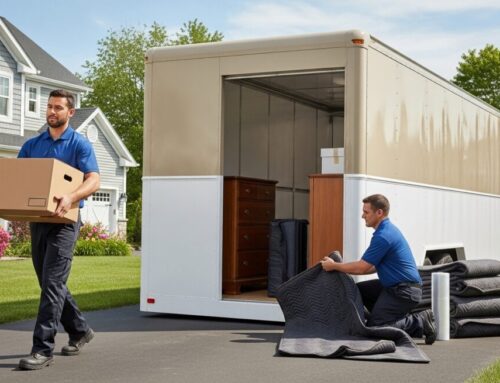
Relocating your home or business involves countless decisions, and one of the most critical is how to transport and store your belongings. Traditional moving trucks and full-service movers have long been the standard, but a flexible alternative has gained significant traction: portable moving containers. These steel boxes are dropped off at your property, loaded at your pace, and then picked up and delivered to your new home or a storage facility. However, understanding the moving container cost and when to use portable storage is essential to determining if this option is right for your specific situation. This guide breaks down the pricing structure, the scenarios where portable storage excels, and how to compare it against other moving methods.
How Portable Moving Container Pricing Works
The cost of renting a portable moving container is not a flat fee. Instead, it is typically composed of several variable components. The base price covers the delivery of the container to your current address and the pickup from that location. From there, additional charges apply based on distance, duration, and additional services. Unlike a traditional moving truck where you pay by the hour or a flat rate for a full-service move, portable container pricing is often more transparent, but it requires careful attention to the details.
Most companies calculate the moving container cost using a few key factors. The size of the container you choose is the primary driver. Common sizes range from an 8-foot container (roughly the size of a large walk-in closet) to a 16-foot container (suitable for a two-bedroom home) and even larger 20-foot options. The distance between your pickup and drop-off locations also heavily influences the price. Local moves within the same city or region will be significantly cheaper than a cross-country relocation. Additionally, the rental period matters. Most companies include a standard rental window of 30 days, but extending that time incurs a monthly fee. Finally, storage fees apply if you choose to have your container held at a company facility rather than immediately delivered to your next address.
Typical Price Ranges for Different Scenarios
To give you a practical sense of costs, consider these typical price ranges based on industry averages. For a local move of under 50 miles using a single 16-foot container, you can expect to pay between $1,500 and $2,500. This usually includes the delivery, pickup, and a 30-day rental period. For a long-distance move of 1,000 to 2,000 miles, the same container might cost between $3,000 and $5,000. Storage-only scenarios, where you keep the container at a company facility for one month, often range from $150 to $300 per month. These figures are estimates. Actual moving container cost will vary based on your specific location, the company you choose, and the time of year.
Comparing Portable Storage vs. Full-Service Movers
One of the most common questions is how portable containers stack up against hiring professional movers who handle everything from packing to unloading. Full-service movers offer the ultimate convenience. They send a crew to your home, pack your items, load them onto a truck, drive them to your new home, and unpack them. This service is expensive. A full-service move for a two-bedroom home across state lines can easily cost $5,000 to $10,000 or more. The advantage is that you do almost nothing. The disadvantage, aside from cost, is that you lose control over the timeline. You have to be ready on the mover’s schedule.
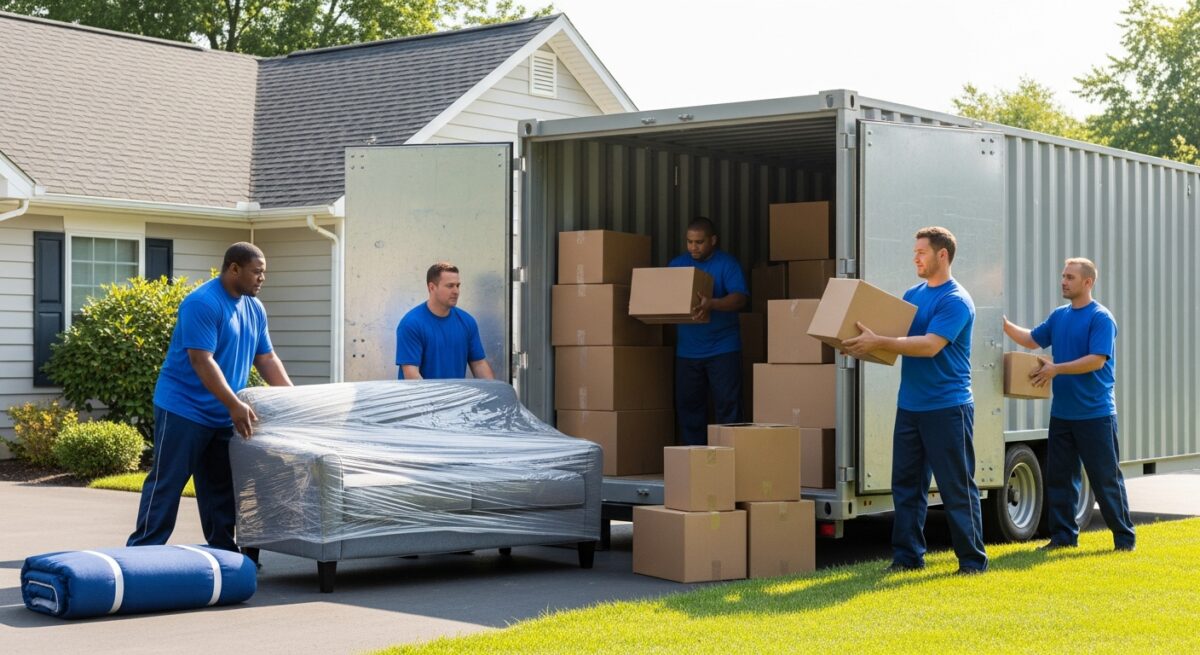
Portable storage moving options occupy a middle ground. You are responsible for packing and loading the container yourself (unless you pay extra for labor). This saves a significant amount of money. You also control the loading schedule. You can take a week to fill the container at your own pace, which is invaluable if you are downsizing or need to sort through decades of accumulated belongings. However, you must be physically capable of loading heavy furniture and boxes. The moving container cost is lower than full-service moving, but it requires more effort on your part. This trade-off is the core consideration when deciding between the two.
When Portable Storage Is the Ideal Choice
Portable storage is not the best solution for every move, but it excels in specific scenarios. Understanding these situations will help you decide if it is the right fit for your needs. The flexibility and control that portable containers offer make them particularly attractive for certain types of relocations and life events.
- Downsizing or decluttering: If you are moving from a large home to a smaller apartment or retiring to a different state, you need time to sort through items. A container gives you weeks to decide what to keep, sell, donate, or discard.
- Renovations between moves: If your new home needs repairs or painting before you move in, a portable container allows you to store your furniture safely off-site while the work is completed.
- Staging a home for sale: Real estate agents often recommend removing excess furniture to make a home look larger. A container provides temporary storage without cluttering a garage or basement.
- Cross-country moves with flexible timing: If your new job does not start for a month, you can load the container at your leisure and have it shipped directly to your new city when you are ready.
In these situations, the moving container cost is often lower than the combined cost of a moving truck, temporary storage, and a second move. The convenience of having the container delivered to your driveway and then shipped directly to your final destination eliminates the need for multiple truck rentals or storage unit rentals. It is a streamlined solution that saves both money and stress.
Hidden Fees and Cost Traps to Avoid
While portable container pricing is generally straightforward, there are potential pitfalls that can significantly increase your final bill. Being aware of these hidden fees is crucial for accurate budgeting. One of the most common surprises is the charge for delivery and pickup if your home is difficult to access. If you live on a narrow street, have a long driveway, or need the container placed on a sloped surface, the driver may charge an additional fee. Always verify the placement requirements with the company before you sign the contract.
Another cost trap involves the rental period. Most companies offer a base rate that includes a specific number of days, often 30. If you exceed this period, you will be charged a daily or weekly rate that can add up quickly. If you are moving into a new home that may not be ready on time, it is wise to pad your timeline or ask about extended rental options. Additionally, some companies charge for the use of furniture pads, dollies, or other moving equipment. Finally, be aware of fuel surcharges, especially for long-distance moves. Ask for a full, itemized quote that includes all potential fees. A transparent company will provide this without hesitation. As you evaluate your options, you may find it helpful to read about portable storage moving services to see how different providers handle these details.
Steps to Calculate Your Total Moving Container Cost
To determine if a portable container fits your budget, you need to calculate the total cost based on your specific move. Follow these steps for an accurate estimate. First, inventory your belongings. Decide how many containers you need. A one-bedroom apartment typically fits in one 16-foot container. A three-bedroom house may require two or three. Overestimating is better than underestimating because adding a second container later is often more expensive than ordering it initially.
Second, get quotes from at least three different portable storage companies. Provide them with your exact addresses, the container sizes you need, and your desired rental period. Compare the base price, the monthly storage fee (if applicable), and any additional charges for mileage or fuel. Third, factor in the cost of packing supplies. You will need boxes, tape, bubble wrap, and markers. This cost can range from $100 to $300 depending on the volume of items. Fourth, consider the value of your time. Loading a 16-foot container yourself can take a full day or more. If your time is extremely valuable, the higher cost of full-service movers might be justified. By following this process, you can arrive at a comprehensive moving container cost that includes every expense.
Frequently Asked Questions
Is portable storage cheaper than renting a moving truck?
For local moves, renting a moving truck yourself is usually the cheapest option upfront. However, you must factor in the cost of gas, insurance, and the physical effort of driving a large truck. Portable storage is often more expensive than a truck rental but cheaper than full-service movers. For long-distance moves, portable containers can be cost-competitive with truck rentals when you consider the cost of lodging, fuel, and potential damage.
Can I pack my container myself?
Yes, that is the primary appeal of portable storage. You are responsible for packing, loading, and securing your items. Most companies allow you to hire third-party labor if you need help, but the container company itself typically does not provide packing services unless you pay an additional fee.
How long can I keep the container?
Standard rental periods are usually 30 days. After that, you pay a monthly storage fee. Some companies offer flexible terms, allowing you to keep the container for several months if you are using it for long-term storage. Always confirm the rental period and extension rates in your contract.
Are my belongings safe in a portable container?
Reputable portable storage companies use steel containers with weather seals and locking mechanisms. They are designed to be secure and weather-resistant. However, they are not climate-controlled in most cases. For sensitive items like electronics, artwork, or antiques, you may want to consider a climate-controlled storage unit or use additional protective packing materials.
Making the Final Decision
Choosing the right moving method comes down to balancing cost, convenience, and control. Portable storage offers a powerful middle path that works exceptionally well for specific situations like downsizing, staging a home, or managing a complex timeline. The moving container cost is predictable and often lower than full-service moving, but it requires you to invest your own labor. If you are physically able to load a container and you value flexibility over hands-off service, portable storage is likely an excellent choice. For those who need to understand all their financial options and plan a budget-friendly relocation, comparing container quotes against truck rentals and full-service mover estimates is the smartest approach. By carefully evaluating your needs and the true costs involved, you can select the solution that makes your move as smooth and affordable as possible.