Cross Country Furniture Moving: Cost and Planning Guide

Relocating your household across state lines is a major financial and logistical undertaking. While the excitement of a new chapter is real, the process of moving your furniture cross country can quickly become overwhelming without a clear roadmap. The single biggest question most people ask is, “How much will this cost?” and the answer is rarely simple. This guide breaks down the expenses, planning steps, and strategies you need to move furniture across country without blowing your budget or losing your sanity.
Understanding the full scope of cross country furniture moving requires looking beyond just a truck rental or a mover’s quote. You must consider packing materials, insurance, storage fees, and the value of your own time. Whether you are a family relocating for a job or a retiree downsizing to a warmer state, the decisions you make in the next few weeks will directly impact your wallet and your stress levels. Let us walk through the core components of a successful long-distance move.
Breaking Down the True Cost of Moving Furniture Across Country
The national average cost to move a two-to-three-bedroom household across state lines ranges from $2,500 to $6,000, but these figures can fluctuate wildly based on distance, weight, and services. To get an accurate estimate, you need to understand the main cost drivers that long distance furniture movers use to calculate your price.
Weight and Distance: The Two Primary Factors
Interstate movers are regulated by the Federal Motor Carrier Safety Administration (FMCSA) and typically charge based on the weight of your shipment and the mileage. A heavier load traveling 2,000 miles will cost significantly more than a light load going 500 miles. Most reputable companies provide a binding estimate after an in-home survey. Be wary of quotes given over the phone without seeing your belongings, as these often lead to surprise charges on moving day. If you are trying to keep costs down, consider selling bulky, low-value furniture like old sofas or dressers and buying replacements at your destination. This reduces the weight of your shipment and lowers your bill.
Additional Service Fees That Add Up Quickly
Beyond the base transportation cost, several line items can inflate your total. These include packing and unpacking services, which typically cost $200 to $500 or more depending on the volume. Stairs, long carries from the truck to the door, and disassembly/reassembly of furniture also carry extra fees. Some movers charge for shuttle services if the truck cannot fit down your street. Always ask for a full breakdown of charges in writing. A binding estimate protects you from paying more than the quoted price, provided you do not add items on moving day.
DIY Moving vs. Hiring Professional Long Distance Furniture Movers
One of the first forks in the road is deciding whether to handle the move yourself or hire professionals. Each path has distinct advantages and hidden costs. Your choice should reflect your budget, timeline, and the complexity of your furniture.
Renting a moving truck and driving it yourself seems cheaper at first glance. You pay for the truck rental, fuel, tolls, and possibly a trailer for your car. However, you also bear the cost of your own labor, meals, lodging, and the potential for damage due to improper packing. For a 1,000-mile move, a DIY truck rental might cost $1,200 to $2,000, but you must add another $500 to $800 for gas and incidentals. You also sacrifice several days of your time for driving and loading.
On the other hand, hiring a full-service moving company provides convenience and protection. The cost can be $3,000 to $8,000 for a similar move, but this often includes professional packing, loading, transportation, unloading, and basic liability coverage. The peace of mind is valuable, especially for families with large, heavy furniture items or antiques. If you have a tight timeline or valuable possessions, professional movers are usually the better investment. For businesses relocating, you might find our guide on how to hire office furniture moving companies for business moves helpful for office-specific logistics.
Creating a Detailed Moving Timeline and Budget
Planning a cross country furniture move requires a systematic approach. Start your planning at least eight weeks before your target moving date. This timeline allows you to gather quotes, declutter your home, and arrange for utilities at both locations. Without a schedule, you risk paying premium rates for last-minute services.
Begin by creating a budget spreadsheet. List every potential expense, including moving company fees, travel costs for you and your family, packing supplies, storage fees, and new furniture purchases. Add a 10% to 15% contingency fund for unexpected costs like hotel stays or repair fees. Then, request quotes from at least three different moving companies. Compare not just the total price, but the services included. A lower quote that excludes packing or fuel surcharges may end up costing more than a higher, all-inclusive quote.
Essential Packing Strategies for a Cross Country Move
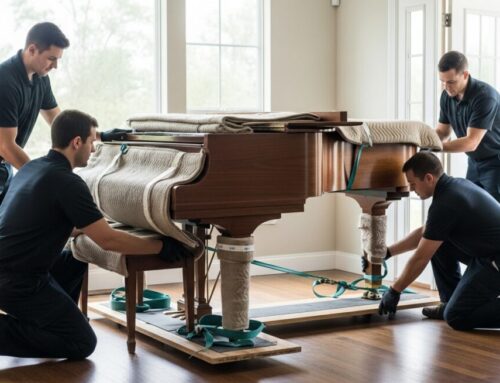
Proper packing is the single best way to prevent damage to your furniture during a long haul. Do not skimp on materials. Invest in heavy-duty cardboard boxes, furniture blankets, stretch wrap, and packing tape. For delicate items like glass tabletops or framed mirrors, use specialized mirror boxes and corner protectors.
Here are key steps to protect your furniture during transit:
- Disassemble large pieces. Remove legs from tables, take apart bed frames, and detach headboards. Keep all hardware in a labeled plastic bag taped to the piece itself.
- Wrap each item individually. Use furniture blankets for sofas and mattresses. Use stretch wrap to keep drawers closed and protect surfaces from scratches.
- Protect upholstery. Vacuum upholstered furniture before wrapping it in plastic to prevent dirt and moisture from settling in during the trip.
After packing, clearly label each box with its contents and the room it belongs to. This simple step saves hours of confusion when you unload at your new home. If you are not confident in your packing skills, paying the movers to pack your fragile items is often worth the extra cost, as they typically assume liability for damage to items they packed.
Insurance and Liability: Protecting Your Belongings
When you move furniture across country, your belongings are at risk of damage or loss. Understanding the different levels of moving insurance is critical. Most movers offer two basic types of liability coverage: Released Value Protection and Full Value Protection.
Released Value Protection is the cheapest option, usually offered at no additional cost. However, it only covers 60 cents per pound per item. This is almost always inadequate for a valuable sofa or a dining table. Full Value Protection costs more but requires the mover to repair, replace, or reimburse you for the full current market value of any lost or damaged item. For high-value moves, consider purchasing third-party moving insurance for an extra layer of security. Always read the fine print regarding exclusions for antiques, electronics, and collectibles.
Storage Options: When You Need a Buffer
Sometimes your moving dates do not align perfectly. You might need to vacate your current home before your new one is ready. In this case, storage becomes a necessary part of your plan. Many long distance furniture movers offer short-term storage as part of their service, often at a daily or monthly rate.
Climate-controlled storage is highly recommended for wooden furniture, electronics, and upholstered items. Extreme temperatures and humidity can cause wood to warp, glue to fail, and fabric to mold. Look for facilities that offer 24-hour access and good security. If you are storing items for more than a month, consider packing them with moisture absorbers and using breathable covers instead of plastic to prevent condensation buildup. Your moving company can often arrange for your belongings to go directly into storage, reducing the number of times your items are handled.
Frequently Asked Questions
How far in advance should I book cross country furniture movers?
You should book your movers at least 4 to 6 weeks in advance, especially during the peak moving season (May through September). Last-minute bookings often result in higher rates or limited availability.
What is the cheapest way to move furniture across country?
Renting a moving truck and doing all the labor yourself is typically the cheapest option. Alternatively, you can use a freight trailer service where you load a shared container and the company transports it. Both options require significant physical effort and personal time.
Are there items movers will not transport?
Yes. Most movers will not transport hazardous materials like paint, propane tanks, or cleaning fluids. They also typically refuse perishable food, plants, and valuable items like cash or jewelry. Check your contract for a detailed list of prohibited items.
How can I lower my moving costs?
You can lower costs by decluttering before you move, packing your own boxes, disassembling furniture yourself, and choosing a mid-week or mid-month moving date. Getting multiple quotes and negotiating also helps. If you need to refinance a vehicle to free up cash for your move, you can explore options at car loan refinancing to potentially lower your monthly payments.
What happens if my furniture is damaged during the move?
Document any damage on the moving inventory sheet before signing it at delivery. File a claim with the moving company immediately. If you have third-party insurance, contact that provider as well. Photographs and written notes are essential evidence for your claim.
Moving furniture across state lines is a complex process, but it does not have to be a nightmare. By understanding the cost factors, choosing the right service level, and packing strategically, you can control both your budget and your stress. The key is preparation. Invest time in the planning phase, ask the right questions of your movers, and protect your belongings with proper insurance. With this Furniture Moving Across Country Cost and Planning Guide, you are equipped to make informed decisions.
Every cross country move has its unique challenges, but the fundamentals remain the same. Whether you choose a full-service mover or a DIY approach, your success depends on detailed planning and clear communication. Take it one step at a time, and you will be settled into your new home before you know it. Your furniture made the journey safely, and so will you.