
Move and Store Wine Safely on a Long Distance Move
Protect your wine collection during a long distance move with our expert tips on packing, climate control, and storage. Call (833)-484-8675 for help.

By Brandon Hall
Your wine collection is more than just bottles; it is an investment, a passion, and often a collection built over years. Whether you are a casual enthusiast with a few cases or a serious collector with hundreds of bottles, relocating a long distance presents unique risks. Heat, vibration, and improper handling can ruin a fine vintage faster than you can unpack your boxes. Unlike furniture, wine cannot simply be loaded onto a truck and forgotten until arrival. It requires careful planning, specialized packing, and a deep understanding of how temperature and movement affect the aging process. This guide will walk you through how to move and store wine during a long distance relocation, ensuring your collection arrives in the same condition it left.
Understanding the Risks: Temperature, Humidity, and Vibration
Before you pack a single bottle, you need to understand what you are protecting your wine from. Wine is a living product that continues to evolve in the bottle. The three biggest enemies during a move are heat, vibration, and light. Heat is the most destructive; temperatures above 75 degrees Fahrenheit can cause wine to expand, pushing the cork out and allowing oxygen to enter, which oxidizes the wine and turns it flat or vinegary. Even short exposure to the inside of a moving truck in summer can reach temperatures over 100 degrees, which is why standard moving trucks are often unsuitable for wine transport.
Humidity is another critical factor, especially for long-term storage. If the air is too dry, corks can dry out and shrink, allowing air to seep in. If it is too humid, labels can mold and degrade. Vibration from the road is less understood but equally important. Constant shaking can disturb the sediment in older wines and disrupt the chemical balance, potentially damaging the wine's structure. For a long distance relocation, you must minimize all three factors.
Planning Ahead: Inventory and Legal Considerations
The first step in any wine move is creating a detailed inventory. This is not just for insurance purposes; it helps you track your collection and ensures nothing is left behind. Use a spreadsheet or a moving app to list every bottle, including the producer, vintage, region, and estimated value. Take photos of the labels and the bottles themselves. This documentation will be crucial if you need to file a claim for damage or loss. It also helps you decide which bottles are worth the cost of professional moving and which might be better consumed before the move.
Legal limits on shipping alcohol across state lines are a major consideration. In the United States, alcohol shipping laws are a patchwork of federal and state regulations. Many states prohibit direct-to-consumer shipping from retailers, and some require special licenses for individuals. If you are moving across state lines, you cannot simply put your wine on a standard moving truck and hope for the best. Some moving companies will not transport alcohol at all due to liability issues. You may need to use a specialized wine shipping service that complies with state laws, or in some cases, you may need to obtain a permit. Always check the regulations for both your origin and destination states before you finalize your moving plan.
If you are using a professional moving company, ask about their policy on alcohol. Many full-service movers will not transport wine unless it is packed by them and declared, and some may refuse entirely. For those who need to store their wine during the transition, climate-controlled storage is essential. When planning your move, consider how long your wine will be in transit and whether you need temporary storage. You can find a guide to long distance moving companies and storage options that covers how to choose a facility that meets your wine's needs.
Packing Your Wine Collection Like a Pro
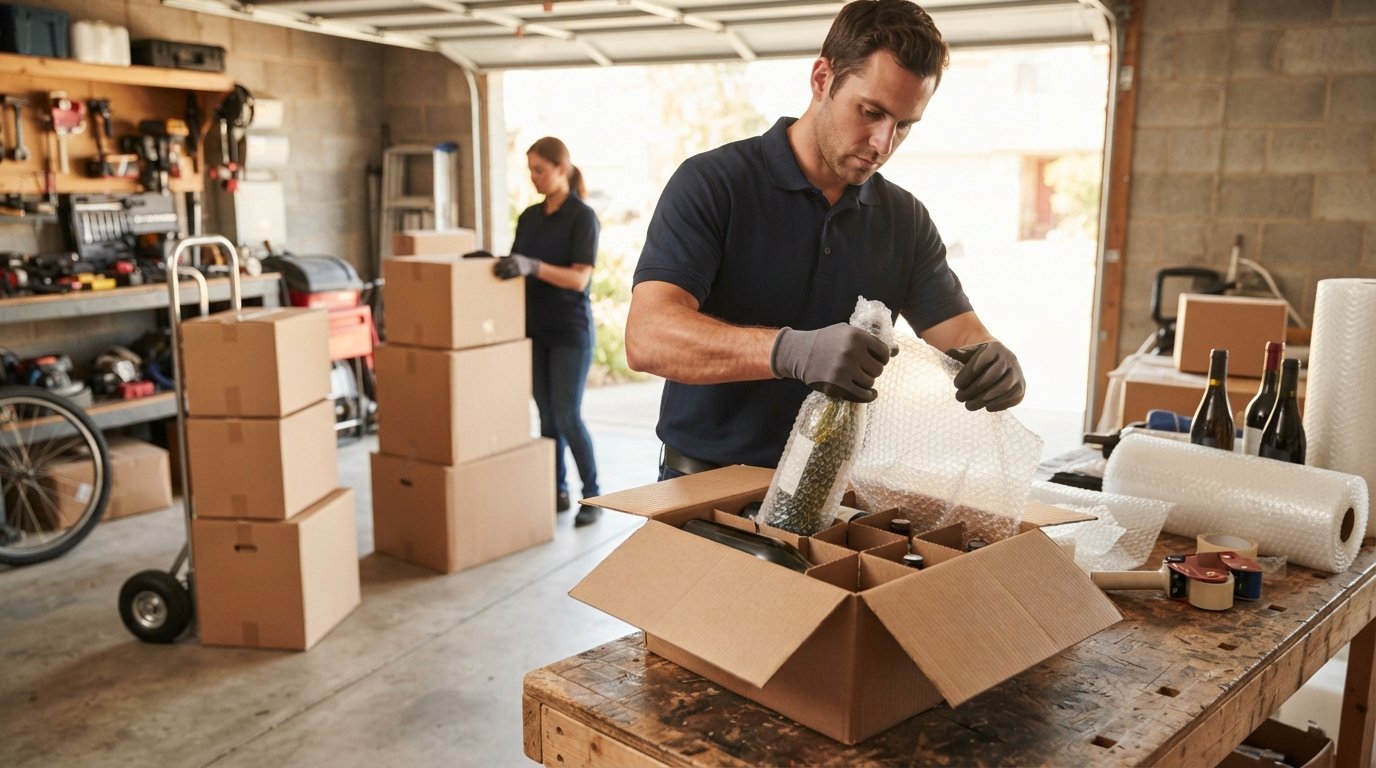
Proper packing is your first line of defense against damage. Never use standard cardboard boxes or newspaper to pack wine. You need specialized wine shipping boxes, often called pulp or styrofoam shippers, which have molded inserts that cradle each bottle. These boxes are designed to absorb shock and keep bottles from clinking together. If you are packing yourself, you can purchase these boxes from liquor stores or moving supply companies. For added protection, wrap each bottle in bubble wrap or foam before placing it in the insert.
When packing, always place bottles upright if possible, especially if they are older and have sediment. If you must lay them down, ensure they are secure and cannot roll. Use tape to secure the box flaps and label the box clearly as "Fragile" and "Wine - This Side Up." Do not stack heavy boxes on top of wine boxes. For a large collection, consider building custom wooden crates for maximum protection. If you are hiring professional packers, confirm that they have experience with wine and will use appropriate materials. Some moving companies offer specialized packing services for high-value items, which can be worth the investment.
Transporting Wine: Climate Control and Timing
The mode of transport is critical. If you are driving your own vehicle, you can transport wine in your car's trunk or back seat, but you must maintain a comfortable temperature. Avoid leaving wine in the car overnight or during hot days. For long distance moves, the best option is a climate-controlled moving truck or a specialized wine shipping service. Climate-controlled trucks maintain a consistent temperature, protecting wine from extreme heat or cold. If you are using a standard moving truck, schedule your move for a cooler time of year or during the early morning hours to minimize heat exposure.
Another option is to ship wine via a licensed carrier. Companies like FedEx and UPS offer wine shipping services, but they require compliance with state laws and proper packaging. This can be expensive but is often the safest method for small, valuable collections. For larger collections, a dedicated wine logistics company can handle everything from pickup to delivery, including temperature-controlled storage in transit. Remember that vibration is a concern, so choose a carrier that uses air ride suspension or specialized packaging to reduce shaking.
Storing Wine During and After the Move
If your new home is not ready or you need time to set up your wine cellar, you will need temporary storage. Climate-controlled storage units are ideal, maintaining temperatures between 45 and 65 degrees Fahrenheit and humidity around 70 percent. Avoid non-climate-controlled units, garages, or basements that are subject to temperature swings. When choosing a storage facility, ask about their temperature monitoring and backup power in case of outages. For long-term storage, consider a professional wine storage facility that offers security and insurance.
When storing wine, keep bottles away from light and vibration. Store them horizontally to keep corks moist, but if you have limited space, upright is acceptable for short periods. Do not store wine near strong odors, as they can permeate the cork. If you are storing wine in a self-storage unit, visit periodically to check the temperature and condition. For those who are also interested in sustainable home upgrades, resources like NewSolarQuotes offer guides on energy-efficient climate control solutions that can help maintain stable conditions for wine storage.
Insurance and Documentation
Protecting your wine financially is as important as protecting it physically. Standard homeowner's insurance policies often have limited coverage for alcohol, and moving companies typically offer limited liability for high-value items. You may need to purchase additional insurance or a rider for your wine collection. Before the move, get appraisals for rare or expensive bottles. Keep your inventory list and photos in a safe place, and consider digitizing them. If you are using a professional mover, ask about their valuation coverage and whether it covers wine. Some moving companies offer full-value protection, but you must declare the value of your wine upfront.
During the move, keep a close eye on your wine boxes and confirm they are loaded and unloaded properly. If you notice any damage, document it immediately and file a claim. For high-value collections, consider hiring a professional wine storage and moving consultant who can oversee the process. This extra expense can save you thousands in lost wine.
Final Steps for a Successful Wine Move
As you finalize your relocation plans, remember that preparation and professional help are your best allies. Start by inventorying your collection and researching state laws. Invest in proper packing materials and consider climate-controlled transport. If you need assistance with the logistics of your move, including finding reliable movers and storage facilities, you can reach out to Moving.Homes for free quotes and expert guidance. Their network of professionals can help you manage every aspect of your relocation, from packing to storage, ensuring your wine arrives safely.
Moving a wine collection long distance does not have to be a gamble. With the right knowledge and tools, you can protect your investment and enjoy your wine at your new home. Take the time to plan, pack, and transport your wine with care, and you will be raising a glass to a successful move in no time. NewSolarQuotes