Long Distance Piano Moving Cost and Safety Guide
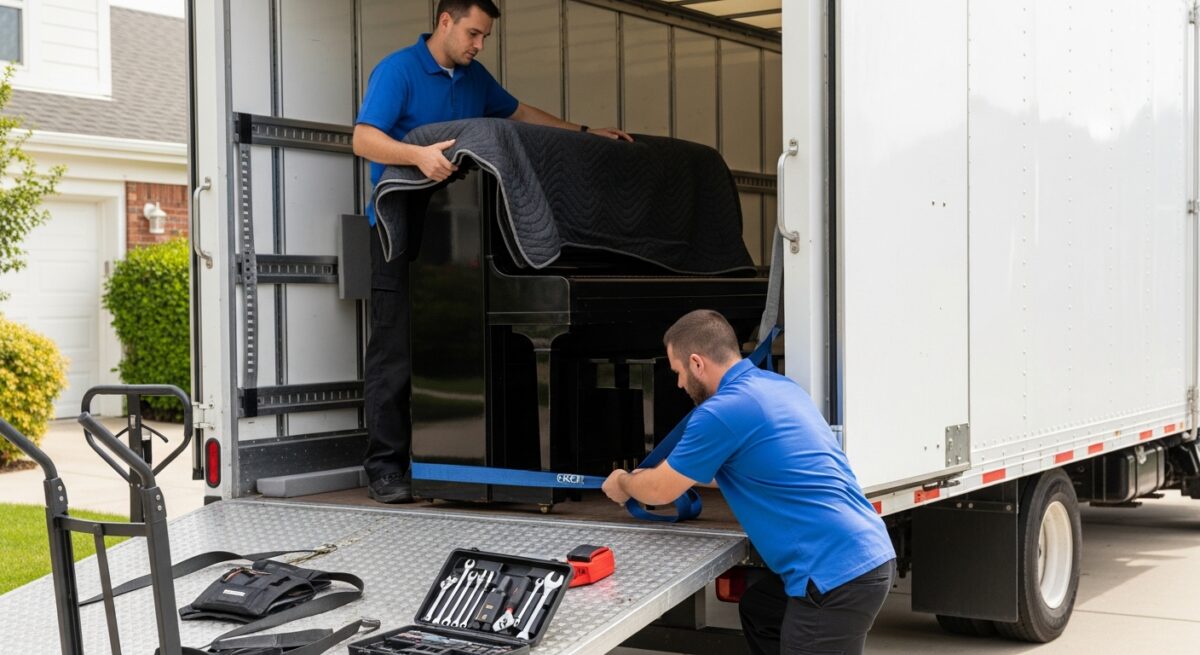
Moving a piano across the country is a unique challenge that combines high emotional value with significant logistical risk. Unlike a standard sofa or bookshelf, a piano is a delicate, heavy, and expensive instrument that requires specialized handling. Whether you own a 500-pound upright or a concert grand, the cost of moving it long distance can vary wildly, and the safety of your instrument depends entirely on the expertise of the movers you hire. This article breaks down the real expenses, the critical safety protocols, and the steps you need to take to ensure your piano arrives in perfect condition.
Many people underestimate what goes into a cross-country piano move. It is not simply a matter of lifting and loading. The process involves climate considerations, custom crating, weight distribution, and insurance coverage. By understanding the factors that drive long distance piano moving cost and the safety measures that protect your investment, you can make informed decisions and avoid costly mistakes. This guide will walk you through everything from pricing estimates to packing procedures, helping you choose the right moving partner for your valuable instrument.
What Determines Long Distance Piano Moving Cost?
The price of moving a piano across state lines is not fixed. Several variables influence the final quote, and understanding them can help you budget accurately. The most significant factor is the type and size of your piano. A small spinet console weighs around 300-400 pounds, while a full concert grand can exceed 1,200 pounds. Heavier pianos require more movers, stronger equipment, and larger trucks, all of which increase the cost.
Another major cost driver is the distance of the move. Moving a piano from New York to California will naturally cost more than a move from Ohio to Pennsylvania due to fuel, labor hours, and tolls. The accessibility of both the pickup and delivery locations also matters. If your piano is on a third-floor walkup with narrow staircases, or if the delivery address has a long driveway, you will pay extra for the additional labor and time. Seasonal demand can also affect pricing, with summer months typically being more expensive due to higher moving volume.
Here are the primary elements that moving companies use to calculate your quote:
- Piano type and weight: Upright, baby grand, or concert grand. Each requires different handling and equipment.
- Total distance: Mileage driven, fuel costs, and driver time for the long haul.
- Accessibility: Number of stairs, elevator availability, narrow hallways, and path clearance.
- Packing and crating: Custom-built wooden crates cost more than standard padding and blankets.
- Insurance and valuation: Basic coverage is often included, but full replacement value adds to the total.
When requesting estimates, ask for a binding quote that locks in the price. Many reputable piano moving services offer guaranteed pricing that prevents surprise fees on moving day. Be wary of quotes that seem too low, as they often indicate a lack of proper insurance or experience with delicate instruments.
Safety Protocols for Cross Country Piano Movers
Safety is the top priority when moving a piano over long distances. A piano is not just heavy. It is also sensitive to temperature, humidity, and impact. Professional cross country piano movers follow strict protocols to protect the instrument from the moment it leaves your home until it arrives at its destination. The first step is a thorough inspection of the piano, noting any existing scratches, dents, or tuning issues. This documentation protects both you and the moving company in case of damage claims.
The next critical phase is preparation. The movers will secure the piano’s lid, pedals, and keyboard cover to prevent movement during transit. They will then wrap the entire instrument in multiple layers of padding, including moving blankets, foam corner protectors, and stretch wrap. For grand pianos, the legs and lyre are often removed to create a more stable shape for transport. The piano is then placed on a specialized skid board or inside a custom crate that fits snugly in the moving truck.
Temperature and humidity control are also essential. Extreme heat can warp the soundboard, while cold can cause the strings to contract and go out of tune. Many professional movers use climate-controlled trucks for long-distance piano moves, especially during winter or summer months. This service may cost extra, but it is worth the investment for a high-value instrument. Additionally, the piano should be positioned in the truck away from heavy shifting cargo, typically in a dedicated slot with tie-down straps to prevent rolling or tipping.
Insurance and Valuation Coverage Options
Understanding insurance is a crucial part of any Long Distance Piano Moving Cost and Safety Guide. Most moving companies offer two types of coverage: basic liability and full value protection. Basic liability is usually included in the moving cost, but it offers minimal reimbursement based on the weight of the item, not its actual value. For a piano, this could mean pennies per pound, which is inadequate if your instrument is damaged.
Full value protection is a better choice for pianos. This coverage requires the mover to repair, replace, or provide a cash settlement for the full market value of the piano if it is lost or damaged. However, you must declare the value of the piano upfront, and the premium is typically a percentage of that declared value. Some moving companies also offer third-party insurance from specialized insurers that cover musical instruments. Before signing a contract, ask for a detailed explanation of what is covered and what is excluded, such as pre-existing damage or acts of nature.
It is also wise to check if your homeowner’s or renter’s insurance policy covers items in transit. Some policies offer limited coverage during a move, but they often exclude high-value items like pianos unless you add a rider. Combining your mover’s coverage with your personal policy can provide a safety net, but always read the fine print to avoid gaps in protection.
How to Choose the Right Piano Moving Company
Not all moving companies are equipped to handle pianos. When searching for piano moving services, look for companies that specifically advertise piano moving expertise and have positive reviews from customers who moved similar instruments. Ask for references and check online ratings on platforms like the Better Business Bureau and Google Reviews. A reputable mover will be happy to provide proof of licensing and insurance, including a USDOT number if they operate across state lines.
Get at least three in-home estimates from different companies. A remote estimate based on photos can be inaccurate, as the estimator cannot see the actual layout of your home. During the estimate, ask about their specific piano handling procedures, including how they navigate stairs, doorways, and tight corners. Inquire about their equipment, such as piano dollies, ramps, and lift gates, which are essential for safe loading and unloading. For a deeper look at the entire process of moving a piano across the country, including detailed cost breakdowns and moving company selection tips, refer to our Piano Moving Cost and Long Distance Movers Guide.
Finally, read the contract carefully before signing. Look for the terms of the payment schedule, cancellation policy, and claims process. A trustworthy company will be transparent about all fees and will not pressure you into signing on the spot. Remember, the cheapest quote is not always the best value. Paying a bit more for a specialized piano mover can save you thousands in repair costs and emotional stress.
Preparing Your Piano for a Long Distance Move
Preparation begins weeks before the movers arrive. Start by scheduling a piano tuning a few weeks before the move, but do not tune it again immediately after the move. The instrument needs time to acclimate to its new environment, typically two to four weeks, before a tuning will hold. Also, gather all documentation related to your piano, including the original purchase receipt, appraisal, and any repair records. This information will be useful for insurance purposes.
On moving day, clear a path from the piano to the exit door. Remove any rugs, furniture, or obstacles that could trip the movers or damage the piano. If you have the original piano key, give it to the movers so they can lock the keyboard lid during transport. Do not attempt to move the piano yourself, even a few inches. Professional movers use specific techniques to lift and pivot the piano without putting stress on the legs or frame. Your job is to supervise, take photos of the piano’s condition before the move, and ensure the movers have clear instructions for the delivery address, including parking restrictions or elevator reservations.
Frequently Asked Questions
How much does it cost to move a piano across the country?
The cost typically ranges from $500 to $2,500 for an upright piano and $1,000 to $4,000 or more for a grand piano, depending on distance, accessibility, and packing requirements. Always get a binding quote from a specialized piano mover.
Can I move a piano myself to save money?
Moving a piano yourself is not recommended due to the risk of injury and damage. Professional movers have the proper equipment, training, and insurance to handle the weight and delicacy of a piano safely.
How long does a long distance piano move take?
Transit time depends on the distance. A cross-country move can take 5 to 14 days, including loading, transport, and delivery. Climate-controlled trucks may take slightly longer due to scheduling constraints.
What kind of insurance do I need for a piano move?
Full value protection is recommended as it covers the piano’s actual market value. Basic liability coverage is not enough for a high-value instrument. Ask your mover for a detailed insurance breakdown before booking.
Should I tune my piano before or after the move?
Tune it a few weeks before the move, but wait at least two to four weeks after arrival before tuning again. The piano needs time to adjust to the new humidity and temperature levels in its new home.
Final Thoughts on Moving Your Piano Safely
Moving a piano long distance is a significant undertaking, but with the right preparation and professional help, your instrument can arrive safely and in tune. The key is to prioritize experience and safety over the lowest price. By understanding the factors that influence long distance piano moving cost and following the safety protocols outlined in this guide, you can protect your investment and enjoy your piano for years to come in its new home. Take the time to research movers, ask the right questions, and prepare your piano properly. The effort you put in now will pay off with a smooth, stress-free move.
If you are planning a move and need reliable piano transportation, consider reaching out to a company that specializes in handling delicate items. Professional cross country piano movers can also help with other aspects of your relocation, such as packing, storage, and furniture assembly. For additional financial flexibility during your move, you might explore options from auto loan services to help cover moving expenses or a new vehicle for your new location. Remember, a well-planned move is the best way to protect what matters most.