Piano Moving Cost and Long Distance Movers Guide
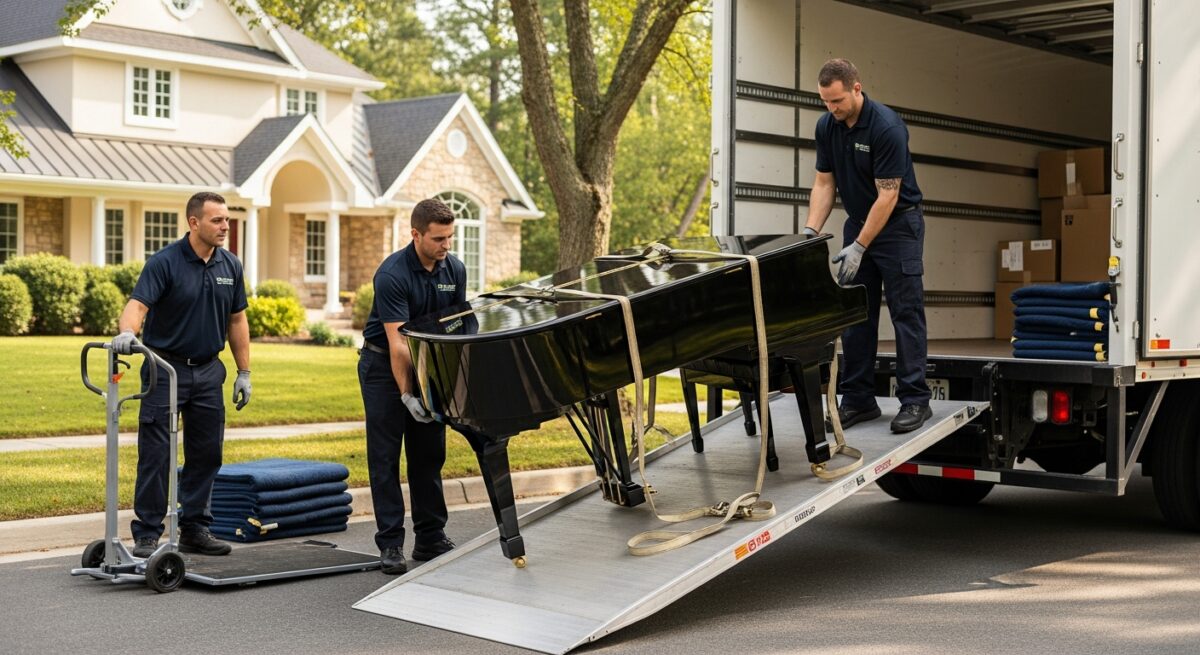
Moving a piano is not like moving a sofa or a box of books. A piano is a delicate, heavy, and valuable instrument that requires specialized handling. Whether you are relocating an upright across town or shipping a concert grand across the country, understanding the true piano moving cost and finding reliable long distance piano movers is essential. Without proper planning, you risk damaging the instrument or facing unexpected fees. This guide breaks down the costs, the logistics, and the steps you need to take for a safe and successful piano move.
The price of moving a piano depends on several key factors. Distance is the most obvious factor, but the type of piano, the number of stairs, the presence of an elevator, and the need for specialty equipment all play a major role. A local move might cost a few hundred dollars, while a long-distance relocation can run into thousands. The best way to protect your investment is to work with movers who specialize in handling pianos and who offer transparent, guaranteed pricing. In our guide on affordable long distance moving companies, we explain how to save money without sacrificing quality.
What Determines Piano Moving Cost?
The cost of moving a piano is not a flat fee. Movers calculate the price based on a combination of factors that affect the time, labor, and equipment required. Understanding these factors helps you get accurate quotes and avoid surprise charges.
Here are the primary cost drivers for piano moving services:
- Piano Type and Size: Upright pianos are smaller and lighter, typically costing less to move. Baby grands and concert grands require more people, specialized dollies, and often a ramp or lift gate, increasing the cost significantly.
- Distance of the Move: Local moves (under 50 miles) are usually charged by the hour. Long-distance moves (over 50 miles) are charged by the mile or as a flat rate based on the total distance and route.
- Accessibility and Logistics: The number of stairs, tight corners, narrow doorways, and the distance from the truck to the door all affect labor time. A ground-floor move with a wide entrance is much cheaper than a walk-up apartment on the third floor.
- Additional Services: Tuning, disassembly, reassembly, and storage will add to the total cost. Some companies offer these as part of a package, while others charge separately.
It is wise to get at least three in-home estimates from different long distance piano movers. A phone or online quote is often inaccurate because the mover cannot see the actual path the piano must take. An in-person visit allows the mover to assess the stairs, doorways, and obstacles, giving you a more reliable price.
Piano Removal Cost vs. Moving Cost
Many people confuse the cost of moving a piano with the cost of removing one. Piano removal cost refers to the expense of taking an old or unwanted piano out of your home and disposing of it. This is a different service from moving a piano to a new residence. Removal often involves dismantling the piano on site or hauling it away whole, which can be labor-intensive. Some moving companies offer both services, but it is important to clarify which one you need when requesting a quote.
If your piano is no longer playable or you simply do not want it, you may find that removal is cheaper than a full move. However, if the piano holds sentimental or monetary value, investing in professional moving services is the better choice. Amateur attempts to move a piano often result in damage to the instrument, the walls, or even injury to the people involved.
How to Choose Long Distance Piano Movers
Selecting the right company for a long-distance piano move requires more research than hiring a local mover. Not all moving companies have the expertise or equipment to handle a piano across state lines. You need a mover who understands the specific challenges of long-distance transport, including climate control, secure tie-downs, and insurance coverage.
When evaluating long distance piano movers, consider these qualifications:
- Specialized Training: Look for movers who specifically advertise piano moving. They should have crew members trained in piano handling techniques, including how to lift, tilt, and brace the instrument.
- Insurance and Liability: Ask about valuation coverage. Basic liability may only cover a fraction of the piano’s value. For a high-value instrument, you may need full-value protection or a separate insurance policy.
- Equipment and Fleet: The company should use air-ride suspension trucks, padded blankets, and specialized piano dollies (skid boards). Long-distance moves also require a truck with a lift gate for safe loading and unloading.
- References and Reviews: Check online reviews on platforms like Google, Yelp, and the Better Business Bureau. Look for specific feedback about piano moves, not just general moving jobs.
Once you have narrowed down your list, ask each company for a detailed written estimate. The estimate should list all charges, including fuel surcharges, packing materials, and any potential fees for stairs or long carries. A reputable mover will provide a binding estimate that cannot change unless you add services.
Preparing Your Piano for the Move
Proper preparation is just as important as choosing the right mover. Even the best piano moving services rely on the owner to prepare the instrument and the home. Start by clearing a path from the piano to the exit. Remove any rugs, furniture, or obstacles that could slow down the movers or create hazards.
Next, secure the piano’s internal parts. For an upright, close and lock the lid. For a grand piano, the movers will typically remove the legs and lyre, then wrap the body in heavy padding. Do not attempt to disassemble the piano yourself unless you have been trained. Improper removal of parts can cause costly damage. The movers will also use specialized straps and boards to protect the piano’s finish during transit. If you are moving during winter or extreme weather, ask about climate-controlled storage on the truck to prevent the wood from cracking.
Finally, take photographs of the piano from all angles before the move. This documentation is crucial if you need to file an insurance claim later. Note any existing scratches, chips, or cosmetic issues so you can compare the condition after the move.
What to Expect on Moving Day
On the day of the move, the crew will arrive with a truck and all necessary equipment. They will begin by laying down floor runners and door jamb protectors to prevent damage to your home. Then they will wrap the piano in moving blankets and secure it with straps. For a grand piano, they will remove the legs and lyre, carefully placing them in a separate padded box. The piano body is then tilted onto a skid board with wheels, which allows the movers to roll it out of the house.
Loading a piano onto a long-distance truck requires careful balance. The piano should be placed against a bulkhead or secured to the wall of the truck with heavy-duty straps. It should never be placed on top of other items or have boxes stacked on top of it. The movers will also ensure the piano is not exposed to extreme temperatures or direct sunlight during the journey.
After the piano arrives at your new home, the movers will reassemble it. They will reattach the legs and lyre on a grand piano, level the instrument, and place it in the desired position. At this point, you should inspect the piano for any damage that occurred during transit. If everything looks good, you can sign the final paperwork. It is also a good idea to schedule a piano tuning a few weeks after the move. The instrument needs time to acclimate to its new environment, and the tuning will correct any slight shifts caused by the move.
Frequently Asked Questions
How much does it cost to move a piano locally versus long distance?
A local piano move (under 50 miles) typically costs between $150 and $600. Long-distance moves can range from $500 to $2,500 or more, depending on the distance and piano size. A concert grand moved across the country could cost upwards of $3,000.
Do I need to tip piano movers?
Tipping is not required but is appreciated for good service. A typical tip for piano movers is 10 to 20 percent of the total moving cost, or a flat amount of $20 to $50 per mover, depending on the complexity of the job.
Can I move a piano myself to save money?
Moving a piano yourself is not recommended. Pianos weigh between 300 and 1,200 pounds. Attempting to move one without proper equipment and training can lead to serious injury, damage to the piano, and damage to your property. The cost of repairing a damaged piano or wall often exceeds the cost of hiring professionals.
How far in advance should I book piano movers?
It is best to book piano movers at least two to four weeks in advance, especially during peak moving seasons (May through September). For long-distance moves, you may need to book even earlier to secure a spot on the mover’s schedule.
Moving a piano is a significant investment, but it is one that protects your instrument and your peace of mind. By understanding the factors that influence piano moving cost and vetting long distance piano movers carefully, you can ensure your piano arrives safely at its new home. For those looking to finance their move or manage other expenses, exploring options like car loan refinancing can free up cash for the relocation budget. Always prioritize professional handling over shortcuts, because a piano is not just furniture. It is a piece of art, a family heirloom, and a source of music for years to come.