
International House Movers for Overseas Relocation: Key Tips
Discover how international house movers simplify overseas relocation with expert packing, customs handling, and safe delivery worldwide.

By Tyler Scott
Moving to another country is a major life event that brings both excitement and complexity. The logistics of transporting your household goods across borders involve careful planning, documentation, and the expertise of professionals who understand the nuances of international shipping. Choosing the right international house movers for overseas relocation can mean the difference between a smooth transition and a stressful ordeal. This article explains what to look for in a moving partner, how the process works, and how to protect your belongings every step of the way.
What International House Movers for Overseas Relocation Actually Do
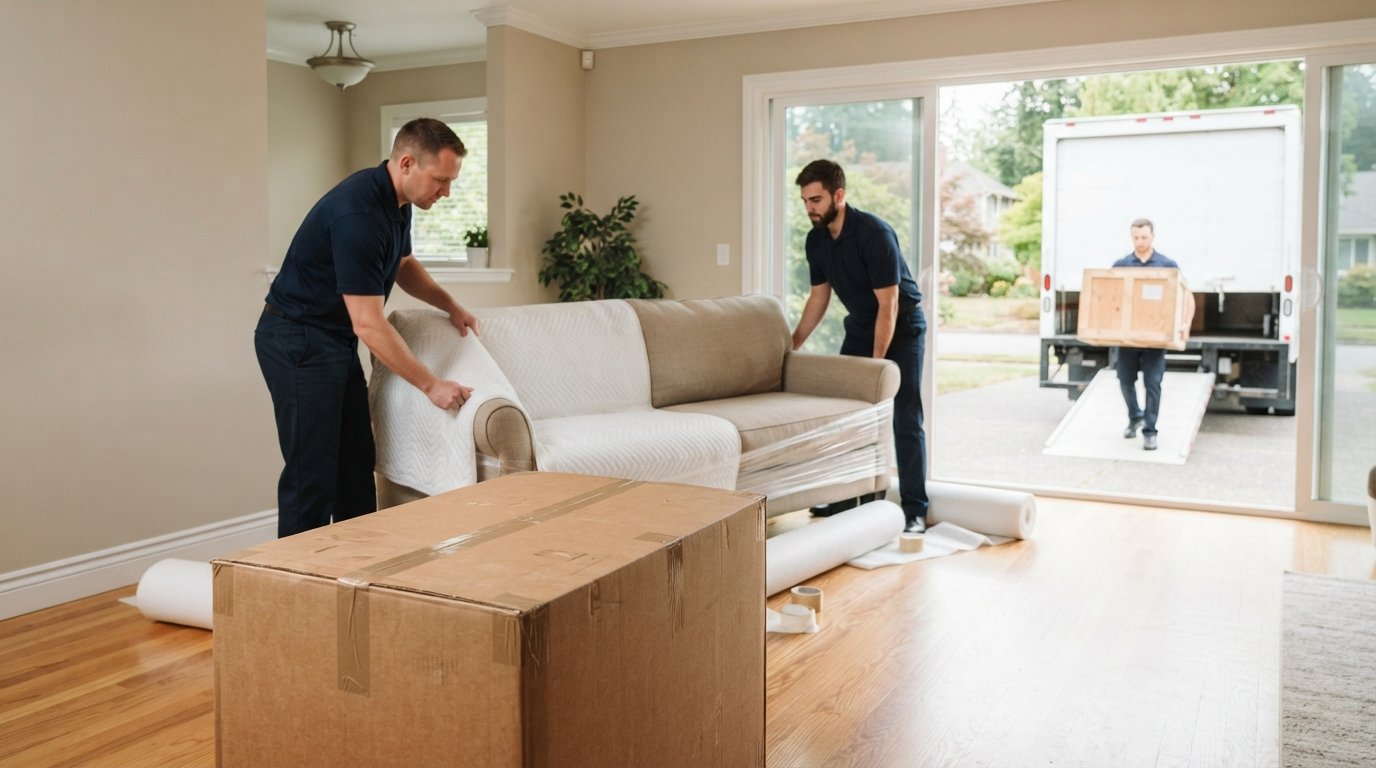
International house movers for overseas relocation provide a comprehensive service that extends far beyond simply loading a truck. They manage the entire journey of your household goods, from your current home to your new front door in another country. This includes professional packing with specialized materials, arranging ocean or air freight, handling customs documentation, and coordinating delivery and unpacking at your destination.
A key part of their role is acting as a single point of contact for all the moving parts. They coordinate with shipping lines, freight forwarders, customs brokers, and local moving crews on both ends of your journey. This coordination is essential because international moves involve multiple parties and strict regulatory requirements. Without a professional managing these elements, you could face delays, lost shipments, or unexpected fees.
Additionally, these movers provide valuable guidance on restricted items, import regulations, and tax implications in your destination country. They help you understand what you can take with you and what should be sold, donated, or stored. This expertise is particularly useful when moving to countries with strict quarantine laws or those that require detailed household goods inventories.
How to Choose a Reliable International Moving Company
Selecting the right team requires careful research. The cheapest quote is rarely the best value when your possessions are traveling thousands of miles. Instead, focus on finding a mover that is licensed, insured, and experienced in your specific route. Start by requesting quotes from at least three different international moving services to compare pricing and included features.
When evaluating potential movers, look for membership in professional associations like the International Association of Movers (IAM) or the American Moving and Storage Association (AMSA). These memberships indicate a commitment to industry standards and ethical practices. Verify their credentials with the Federal Maritime Commission if you are shipping by sea, as this ensures they are bonded and insured for international transport.
Reading customer reviews on independent platforms like Trustpilot or the Better Business Bureau can provide insights into their reliability and responsiveness. Pay attention to how they handle complaints and whether they address issues promptly. A reputable company will have a track record of successful international moves and satisfied clients.
Questions to Ask Before You Commit
Before signing a contract, ask specific questions about their process and your responsibilities. Here are some important ones:
- What exactly is included in the quoted price? Are there separate charges for packing materials, customs clearance, or destination delivery?
- What is the estimated transit time for my shipment, and what happens if it is delayed?
- Do you offer full value protection insurance, and what does it cover?
- What items are prohibited or restricted for my destination country?
- How do you handle storage in transit if there is a gap between my moving and closing dates?
These questions will reveal the company's transparency and help you avoid surprise bills later. A professional mover will provide clear, detailed answers and include these terms in your written contract. If they are vague or dismissive, consider that a red flag.
Understanding the Cost of Overseas Relocation
International moving costs are influenced by several factors, including the volume of your shipment, the distance traveled, the shipping method (sea or air), and the level of service you choose. Sea freight is the most economical option for large shipments but takes several weeks or even months. Air freight is faster but significantly more expensive, making it suitable only for a small, high-priority shipment.
Another major cost driver is the type of container used. You might share a container with other shipments (Less than Container Load, or LCL) or have exclusive use of a full container (Full Container Load, or FCL). FCL offers better security and less handling of your goods, but it costs more. LCL is cheaper but involves multiple loading and unloading events, which could increase the risk of damage.
Most international movers provide binding estimates based on a detailed inventory of your household goods. This inventory lists every item you plan to move, which the mover uses to calculate the space required and the associated costs. Be thorough when creating this list, as underestimating can lead to additional charges later. Also, be aware of destination fees like customs duties, taxes, or port handling charges, which are often not included in the initial quote.
The Process of an International Move: Step by Step
Understanding the typical stages of an international move can help you prepare and set realistic expectations. While each move is unique, the process generally follows this structure:
- Initial consultation and survey: The mover assesses your belongings, either in person or via a video survey, to provide an accurate estimate.
- Packing and preparation: Professional packers arrive to carefully pack your items using specialized materials, marking each box with its destination and content.
- Customs and documentation: You complete the necessary paperwork, including a detailed inventory and personal effects declarations, with guidance from the mover.
- Shipping and transit: Your goods are loaded into a container and transported to the port, then loaded onto a ship or plane for the journey.
- Destination processing: The shipment clears customs at the destination port, and you may need to pay any applicable duties or taxes.
- Delivery and unpacking: The local moving team delivers your goods to your new home, unpacks boxes, and can help with furniture assembly.
Throughout this process, your international moving company should provide updates and be available to answer questions. They should also confirm the condition of your items upon delivery and assist with any claims if damage occurs during transit.
Protecting Your Belongings with the Right Insurance
Your belongings will face many hands and miles during an international move, so insurance is essential. Most moving companies offer two types of coverage: Released Value Protection and Full Value Protection. Released Value Protection is the basic, minimal coverage that is included at no extra cost, but it reimburses you only a small amount per pound of damaged or lost items.
Full Value Protection is the more comprehensive option, which covers the replacement value of your items. While it costs more, it provides peace of mind knowing that you are financially protected if something is damaged or lost. Some movers offer third-party insurance policies that may offer broader coverage, so ask about all available options. Consider purchasing additional coverage for high-value items like jewelry, art, or antiques, which may exceed the limits of standard policies.

When filing a claim, document any damage immediately upon delivery, ideally noting it on the delivery receipt before signing. Take photographs and keep all packing materials as evidence. A reputable mover will have a clear claims process and will work with you to resolve issues fairly.
Packing Services That Make a Difference
Professional packing is one of the most valuable services an international mover can offer. It is not just about putting items in boxes; it involves using the right materials and techniques to ensure your goods survive the rigors of international shipping. For example, electronics require anti-static bubble wrap, while artwork needs custom-built crates.
Here are a few reasons why investing in professional packing is wise:
- Reduces the risk of breakage from shifting during transit.
- Ensures compliance with customs regulations regarding packaging.
- Saves you time and physical effort before your departure.
- Provides better insurance coverage, as many policies require professional packing for claims.
Your moving company can also provide packing materials if you choose to pack some items yourself. However, be aware that self-packed items may not be covered by the mover's insurance for damage. If you do pack some items, use sturdy boxes and plenty of cushioning, and clearly label each box with the room it belongs to and a list of contents.
Special Considerations for International Moving
Moving to a different country comes with unique challenges that you should plan for in advance. One of the most important is understanding the customs regulations of your destination. Some countries have strict rules about what you can bring, including prohibitions on certain foods, plants, or electronics. Your mover can provide a list of restricted items and help you prepare the necessary documentation.
Another consideration is timing. International moves rarely happen overnight. Sea freight can take anywhere from two to eight weeks, depending on the route. Air freight is faster but can be prohibitive for a full household. Plan your shipping schedule well in advance, and consider shipping essential items separately, such as a small air shipment with your daily necessities, while the main shipment travels by sea.
Finally, think about the long-term storage of items you may not need immediately. Many international movers offer storage facilities at origin or destination, which can be useful if your new home is not ready or if you are downsizing temporarily. Ensure that any storage facility is secure and, if necessary, climate-controlled to protect your belongings.
Why Working with a Professional Moving Network Matters
Navigating an international move on your own is possible, but it is not advisable. The complexities of customs, logistics, and insurance can quickly become overwhelming, especially while you are also managing the emotional and practical aspects of relocating your family. This is why working with a reputable international moving company is a worthwhile investment.
These professionals have established relationships with partners in destination countries, which allows them to coordinate your move seamlessly. They also stay up to date on changing international regulations and can provide valuable advice on everything from import duties to local moving practices. By acting as your advocate, they reduce the risk of costly mistakes and delays.
If you are planning a move abroad, start your research early and request quotes from several international moving services. Compare their services, insurance options, and customer reviews to make an informed decision. For more guidance on selecting the right moving partner for any type of relocation, our article on choosing local house moving companies offers practical advice that applies to international moves as well.
Remember that the cheapest option is not always the best. Look for a company that offers clear communication, transparent pricing, and a commitment to protecting your belongings. With the right international house movers for overseas relocation, you can focus on the excitement of starting a new chapter in a new country, knowing that your household goods are in good hands.
Additionally, if you are moving for work or study, your employer or university may have preferred moving providers. Check if they have any partnerships that could give you access to discounted rates or additional support. Also, consider the tax implications of your move, especially if you are relocating for employment. Some countries offer duty-free import of personal effects for new residents, but you must meet specific criteria and submit the proper forms. Your moving company can guide you through these requirements.
Finally, keep in touch with your moving coordinator throughout the process. They are your main point of contact for any questions or updates. A professional will keep you informed of your shipment's status and alert you to any potential issues. This level of support is invaluable when you are thousands of miles away from your belongings.
International house movers for overseas relocation are more than just transport providers; they are your partners in a complex logistical journey. By choosing a reputable and experienced company, you can significantly reduce the stress of moving abroad and ensure that your possessions arrive safely at your new home. Take the time to research, ask the right questions, and plan ahead, and your relocation can be a smooth and successful experience. Learn more