In Home Moving Services for Small Moves: A Complete Guide

You have a new piece of furniture arriving, a room that needs a complete rearrangement, or a few bulky items to shift from the garage to the basement. The thought of wrestling with a heavy bookcase or disassembling a bed frame is daunting, but hiring a full-service moving company for a cross-town relocation feels like overkill. This is the precise, often overlooked scenario where in home moving services for small moves become an indispensable solution. These specialized services bridge the gap between a DIY struggle and a major moving day, offering professional muscle and expertise for the interior transitions that happen within the four walls of your home. Whether you’re refreshing your space, making room for a new arrival, or simply optimizing your layout, understanding how in house movers operate can save your back, your time, and your belongings.
What Are In Home Moving Services?
In home moving services, sometimes called in house moving or interior moving, refer to professional assistance for relocating items within a single residence or property. Unlike traditional moving companies that transport belongings from one address to another, these services focus on internal logistics. The core concept is simple: skilled movers come to your home to handle the heavy, awkward, or complex tasks of moving furniture and boxes from one room to another, between floors, or into storage areas like attics, basements, or garages. This model is particularly tailored for small moves, defined not by distance, but by scale and scope. A small move might involve a single room’s worth of furniture, a few large appliances, or a collection of heavy decor items. The value proposition is direct access to professional labor and equipment without the overhead of a truck, long-distance travel, or a full-day commitment.
The distinction from a full-service move is critical. A full-service relocation involves packing, loading a truck, transportation, unloading, and unpacking across two different locations. In home moving services eliminate the transportation leg. The movers arrive, assess the in-home moving plan, execute the physical labor of lifting and carrying, and often provide additional value-added services like furniture disassembly and reassembly, temporary placement, and even light staging. This makes them a versatile tool for a wide array of life events, from the practical to the aspirational. For a deeper look at the specific tasks professional movers handle, our guide on what professional furniture moving services actually do for you details their precise skills and processes.
Common Scenarios for Hiring In House Movers
The need for in home moving assistance arises more often than most people realize. Life is dynamic, and our living spaces must adapt. One of the most frequent triggers is furniture delivery. When you order a new sofa, mattress, or dining set, the delivery team often drops it at the threshold. Getting that heavy, bulky item up a flight of stairs, around tight corners, and into the correct room is your responsibility. In house movers specialize in this exact task, ensuring your new investment is placed safely and precisely without risk of damage to the item or your walls. Similarly, when replacing an old appliance like a refrigerator or washing machine, you need to remove the old unit and install the new one, a job that requires strength and care to avoid damaging floors and hookups.
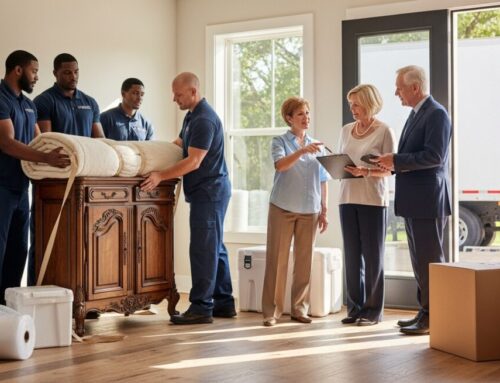
Room rearrangements and home redecorating projects are another prime application. Perhaps you want to swap the living and dining rooms, create a new home office, or simply try a new layout for better flow. Moving a piano, a large entertainment center, or a solid wood desk is not a one-person job. Professional in home movers can efficiently execute your vision, handling the heavy lifting while you direct the new arrangement. Seasonal changes also drive demand. Rotating seasonal decor, moving patio furniture to and from storage, or bringing holiday boxes down from the attic are all perfect tasks for a small, focused moving crew. Finally, these services are invaluable for life transitions that occur within the same home, such as preparing a nursery, converting a room for an elderly family member, or clearing a space for a home gym. In each case, the goal is a controlled, efficient change within the existing footprint of the home.
Key Benefits of Professional In Home Moving
Opting for professional in home moving services for small moves delivers a suite of benefits that extend far beyond simply avoiding physical strain. The most immediate advantage is safety. Professional movers are trained in proper lifting techniques, body mechanics, and team coordination to move heavy objects without injury. They understand how to pivot, lift with their legs, and communicate to navigate obstacles safely. This protects not only their own well-being but also yours and that of your family members who might otherwise attempt risky maneuvers. Furthermore, they come equipped with the right tools for the job. This includes furniture dollies, shoulder dollies, moving blankets, straps, and sliders. These tools prevent damage to your floors, walls, door frames, and, most importantly, your belongings. A scratched hardwood floor or a dented wall can cost far more to repair than the service fee.
The second major benefit is efficiency and time savings. What might take an entire weekend of exhausting work for you and a friend can be accomplished by a professional two-person crew in a matter of hours. They work systematically and with purpose, allowing you to focus on other aspects of your project, like organizing, cleaning, or decorating. This efficiency is also a form of stress reduction. Managing a complex furniture move on your own is mentally taxing, involving logistics, risk, and potential conflict with helpers. Handing the physical labor to experts provides peace of mind. Finally, there is a significant reduction in the risk of property damage. Experienced in house movers know how to pad corners, protect railings, and use techniques like “pivoting” to get large items through narrow spaces without impact. Their expertise is your insurance policy against costly accidents.
What to Expect: The Service Process
Engaging an in home moving service follows a straightforward process designed for convenience. It typically begins with an initial consultation, which is often done via phone, email, or a virtual walkthrough. You’ll describe the scope of work: what items need to be moved, from where to where, and any specific challenges like stairs, tight hallways, or fragile items. Based on this information, the company will provide a quote. Many companies offer transparent, flat-rate pricing for small in-home moves, which is far preferable to an hourly rate that can creep upward with unexpected complications. This quote should include all costs: labor, travel fee, and any necessary materials like padding or straps.
On the day of service, the crew will arrive with their equipment. A reputable team will start with a brief walkthrough to confirm the plan and identify any last-minute obstacles. Before moving anything, they will prepare the space and the items. This involves laying down floor protection, wrapping furniture in moving blankets, and securing any loose parts. The actual moving is a coordinated effort. They will carefully disassemble items if needed (e.g., taking the legs off a table, removing bed frames), move them using dollies and straps, and place them in the designated new location. After everything is moved, they will reassemble furniture, remove protective materials, and perform a basic cleanup of the pathways used. The process concludes with a final walkthrough to ensure you are satisfied with the placement and condition of your items before processing payment.
Costs and How to Get an Accurate Quote
Understanding the cost structure for in home moving services is essential for budgeting and avoiding surprises. Pricing is generally not based on distance, but on time, labor, and complexity. The most common models are flat-rate pricing and hourly rates. Flat-rate pricing is often the best option for clearly defined small moves. The company assesses the job (number of large items, flights of stairs, disassembly needs) and provides a single, all-inclusive price. This offers cost certainty and is not subject to delays. Hourly rates are also common, where you pay for the crew’s time on-site, usually with a minimum charge (e.g., two or three hours). While this can be economical for very quick jobs, costs can escalate if the move takes longer than anticipated.
Several key factors directly influence the final cost. The number and type of items are the primary drivers: moving a grand piano costs more than moving a standard sofa. Stairs are a significant factor; each flight adds considerable time and labor. The need for disassembly and reassembly (for beds, large shelving units, etc.) will increase the quote. Accessibility challenges, such as narrow doorways, long walkways from the truck, or elevator requirements in an apartment building, also affect pricing. To get the most accurate quote, be as detailed as possible when describing your job. Mention every large item, count the number of stair flights, note tight corners, and specify if you need items assembled in their new location. Having a video or photos of the spaces and items can be incredibly helpful for remote assessments. For those ready to start comparing options and pricing, you can get a free moving quote from vetted service providers to plan your in-home project.
Choosing the Right In Home Moving Company
Not all moving labor services are created equal. Selecting the right provider for your in-home move requires careful vetting. The first and most critical step is to verify licensing and insurance. While interstate licensing may not apply for in-home work, a legitimate company should carry general liability insurance and workers’ compensation coverage. This protects you if anything is damaged in your home or if a worker is injured on your property. Always ask for proof of insurance. Next, research the company’s reputation. Read online reviews on multiple platforms (Google, Yelp, BBB) and pay attention to comments about punctuality, professionalism, care for belongings, and clarity of pricing. Look for patterns in feedback rather than isolated comments.
Experience with in home moving specifically is valuable. Some companies may primarily do full-scale relocations and treat small moves as an afterthought. Ask potential providers about their experience with interior moves, room rearrangements, and furniture delivery assistance. Before booking, ensure you understand their service agreement. What is included in the quoted price? Is there a travel or fuel fee? What is their policy for damages? A reputable company will have clear terms and be willing to answer all your questions. Be wary of quotes that seem unusually low, as they may indicate inexperience, lack of proper insurance, or hidden fees. Investing time in selection ensures a smooth, professional experience.
Preparing for Your In Home Move Day
Proper preparation on your part maximizes the efficiency of the movers and ensures the job goes smoothly. Start by decluttering and clearing pathways. Remove all small items, rugs, floor lamps, and decor from the floors and surfaces of the furniture to be moved and from the routes the movers will use. This gives them a clear, safe path and prevents small items from being lost or broken. If you are having items moved out of a closet, empty the closet completely. For items going into storage areas like an attic or garage, make sure the destination space is cleared and ready.
Communicate your plan clearly. It can be helpful to have a simple diagram or notes specifying where each major piece should end up. Use painter’s tape or sticky notes to label rooms or furniture if it’s a complex rearrangement. If you have fragile or high-value items (like a large television, artwork, or a delicate antique), point them out to the crew lead so they can take extra precautions. Have a plan for pets and children; it’s safest to keep them in a closed room away from the action. Finally, ensure there is adequate parking for the moving truck or van close to your entrance. A few minutes of preparation can save the crew significant time, which is especially important if you are on an hourly rate.
Frequently Asked Questions (FAQs)
Q: How far in advance should I book in home moving services?
A: For small moves, booking 1-2 weeks in advance is usually sufficient. However, during peak seasons (summer, weekends, end of the month), it’s wise to book 2-3 weeks out. For simple, single-item jobs, sometimes same-day or next-day service is available.
Q: Do I need to be home the entire time?
A: Yes, you or another responsible adult should be present for the entire duration of the job. You are needed to provide access, answer questions about placement, and approve the work upon completion.
Q: Will the movers disconnect my appliances?
A: Typically, no. Most in home moving services are not licensed to disconnect gas, water, or electrical lines. You should arrange for a qualified technician to disconnect appliances like washers, dryers, and gas ranges before the movers arrive. They will move the appliance once it is safely disconnected.
Q: Can they help me get rid of old furniture I don’t want anymore?
A: Many companies offer junk removal or haul-away services as an add-on. If you are replacing furniture, ask when getting your quote if they can remove the old item. There is usually an additional fee for disposal.
Q: What if an item doesn’t fit where I want it to go?
A: Professional movers can usually assess fit during the walkthrough. If an unexpected issue arises during the move, they will communicate with you immediately to discuss alternative placement options. Their experience allows them to problem-solve on the spot.
In home moving services for small moves represent a smart, specialized solution for a common household challenge. They provide a professional, efficient, and safe alternative to the DIY struggle, protecting both your property and your physical well-being. By understanding what these services offer, when to use them, and how to select a reputable provider, you can tackle room changes, furniture deliveries, and seasonal rotations with confidence. The next time your living space needs an update, consider the value of hiring in house movers to execute your vision seamlessly, turning a potentially stressful chore into a simple, well-managed project.