
How to Ship a Car Across the Country: Costs and Options
Need to ship a car across the country? Learn how to ship a car across the country cost and options, plus tips to save. Call 8334848675 for expert help.

By Steven Clark
Shipping a car across the country is a major logistical decision, whether you are relocating for a new job, moving to a warmer climate, or delivering a vehicle to a family member. The process involves choosing a transport method, understanding the cost factors, and preparing your vehicle for a long journey. With the right approach, you can avoid common pitfalls and ensure your car arrives safely and on time.
Understanding the Basics of Cross-Country Car Shipping
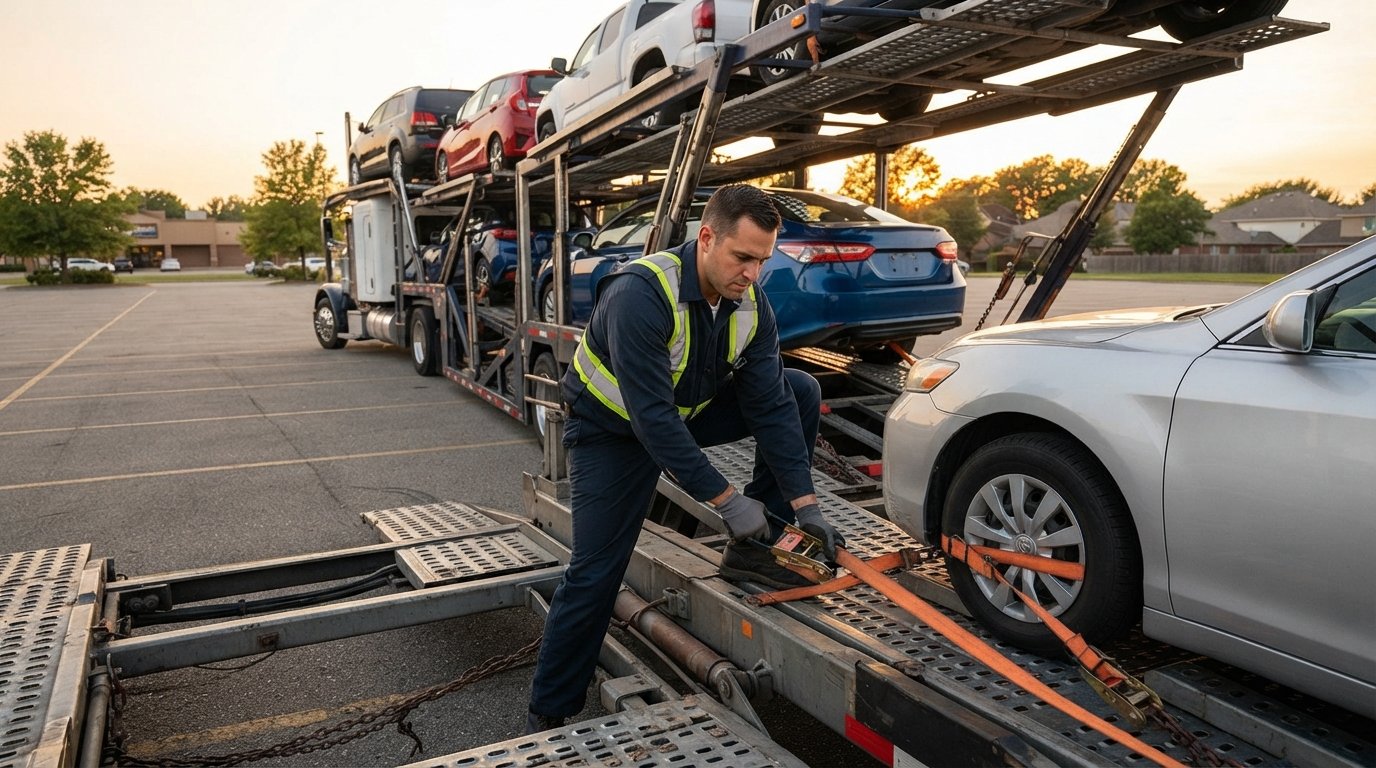
When you ship a car across the country, you are contracting a professional auto transport company to move your vehicle from one location to another, typically over 1,000 miles. This is different from a local tow or a short-distance drive. The two primary methods are open transport and enclosed transport. Open transport is the most common and cost-effective option, where your car is hauled on a multi-level trailer alongside other vehicles. Enclosed transport uses a fully enclosed container or trailer, offering superior protection from weather, road debris, and potential damage, but at a higher price.
Another key distinction is terminal-to-terminal versus door-to-door service. Terminal-to-terminal requires you to drop off and pick up your car at designated facilities, which can reduce costs but adds inconvenience. Door-to-door service picks up and delivers directly to your home or a nearby location, offering maximum convenience. The choice depends on your budget, timeline, and the level of convenience you need.
Understanding these basics helps you evaluate quotes and select the right option. For a broader look at moving other belongings, our guide on moving furniture cross country covers similar cost and logistics considerations.
Key Factors That Determine the Cost of Shipping a Car
The cost to ship a car across the country varies widely based on several factors. Distance is the most obvious: the farther the transport, the higher the price. However, other variables can significantly impact your quote. The type of vehicle matters; larger vehicles like SUVs, trucks, and vans take up more space and weigh more, often incurring additional fees. Operating condition is another factor: a car that runs and drives is easier to load and unload, while a non-running vehicle may require a winch or forklift, adding to the cost.
Seasonality also plays a role. Demand for auto transport spikes in the summer and during peak moving season, driving prices up. Winter months may offer lower rates, but weather delays can be a risk. The origin and destination cities matter too: shipping to or from remote areas with limited carrier routes can increase costs. Finally, the type of transport (open vs. enclosed) and the level of service (door-to-door vs. terminal-to-terminal) are major cost drivers. To get a personalized estimate, you can use our free quote request system, which connects you with vetted car shippers.
Here are the main factors that influence your final price:
- Distance: Longer routes cost more, but the per-mile rate often decreases.
- Vehicle size and weight: Larger, heavier vehicles cost more to ship.
- Vehicle condition: Non-running cars may require special equipment.
- Transport type: Enclosed transport costs 30-50% more than open transport.
- Season and demand: Peak seasons and popular routes cost more.
- Pickup and delivery method: Door-to-door is more expensive than terminal-to-terminal.
By understanding these factors, you can better anticipate your total cost and make informed decisions. For example, if you have a flexible timeline, shipping in the off-season could save you hundreds of dollars.
Typical Cost Ranges for Cross-Country Car Shipping
As of 2026, the average cost to ship a car across the country ranges from $800 to $2,000 for open transport, depending on the factors above. Enclosed transport typically ranges from $1,500 to $3,500 or more. For a more precise estimate, you should request quotes from multiple carriers. Keep in mind that the cheapest quote is not always the best; lowball offers can sometimes lead to bait-and-switch tactics or poor service.
To give you a rough idea, here are some sample price ranges for common routes:
- New York to Los Angeles (2,800 miles): $1,200 - $1,800 (open), $2,000 - $3,000 (enclosed).
- Chicago to Miami (1,400 miles): $900 - $1,400 (open), $1,500 - $2,200 (enclosed).
- Seattle to Phoenix (1,500 miles): $950 - $1,500 (open), $1,600 - $2,400 (enclosed).
These are just averages; your actual quote will depend on the specific factors discussed. It's wise to get quotes from at least three reputable companies to compare. Remember that Moving.Homes can connect you with car transport specialists who offer guaranteed pricing and professional service.
Open vs. Enclosed Transport: Which Is Right for You?
Choosing between open and enclosed transport is a trade-off between cost and protection. Open transport is the industry standard and is perfectly safe for most vehicles. Your car will be exposed to the elements, but professional carriers take precautions to secure vehicles properly. It is the go-to choice for everyday cars, family vehicles, and those on a budget.
Enclosed transport is ideal for luxury cars, classic cars, exotic vehicles, or any car you want to protect from road debris, weather, and potential theft. The enclosed trailer offers a controlled environment, but it comes at a premium. If your car is a high-value asset or has custom paint, enclosed transport is worth the extra cost. Some carriers also offer top-load or single-car enclosed options for even greater exclusivity.
Consider your vehicle's value and your budget. For most people, open transport is sufficient. But if you are shipping a Porsche or a vintage Mustang, enclosed transport provides peace of mind. You can discuss these options with the car shipping specialists you connect with through Moving.Homes.
How to Prepare Your Car for Shipping
Proper preparation is key to a smooth shipping experience. Start by cleaning your car inside and out; this makes it easier to inspect for any damage before and after transport. Remove all personal belongings from the vehicle. Most carriers do not allow personal items in the car for insurance and weight reasons, and items left behind are not covered if lost or stolen.
Check your car's fluids and tire pressure, and make sure the battery is charged. If your car is non-running, inform the carrier in advance so they can send the appropriate equipment. Take photos of your car from all angles before shipping to document its condition. Also, disable any alarm systems or toll transponders to avoid issues during transit. Finally, keep only a spare key with the driver and provide a copy to the carrier if needed.
Here is a checklist to follow before your car is picked up:
- Clean the car thoroughly and take dated photos.
- Remove all personal items and valuables.
- Ensure the gas tank is about a quarter full.
- Check for leaks and top off fluids.
- Disable alarms and remove toll tags.
- Provide a spare key to the driver.
Following these steps helps prevent disputes and ensures your car is ready for transport.
Choosing a Reputable Auto Transport Company
Selecting a trustworthy auto transport company is crucial. Start by researching companies online, checking their Better Business Bureau rating, and reading customer reviews. Look for carriers that are licensed and insured by the Federal Motor Carrier Safety Administration (FMCSA). Ask for proof of insurance and verify their DOT number. A reputable company will provide clear contracts, transparent pricing, and responsive customer service.
Beware of brokers that ask for large upfront deposits or offer unusually low quotes. Legitimate carriers typically require a deposit to secure your spot, but the bulk of payment is due upon delivery. Also, confirm whether the company you are dealing with is a broker or a carrier. Brokers arrange transport but do not own trucks; carriers own and operate the trucks. Both can be reputable, but you should know who you are working with.
When you request quotes through Moving.Homes, you are connected with pre-vetted car shipping specialists who meet high standards. This saves you time and reduces the risk of scams. For other home-related services, such as roofing or HVAC, you can find trusted contractors through FreeQuotes.Contractors.
Insurance and Liability: What You Need to Know
Auto transport companies are required to carry liability insurance, but coverage varies. Typically, carriers provide limited liability for damage during transport, often based on the vehicle's weight or a deductible. It is essential to understand the carrier's insurance policy before booking. Your personal auto insurance may also cover your car during shipping, but you should confirm with your provider.
If damage occurs, you will need to file a claim with the carrier's insurance. That is why documenting your car's condition before shipping is so important. Take photos and note any existing scratches or dents on the bill of lading. Upon delivery, inspect your car carefully before signing off. If you spot new damage, note it on the delivery receipt and file a claim immediately.
Some carriers offer additional insurance for purchase, which can provide extra peace of mind. For high-value vehicles, this may be worth considering. Always read the fine print and ask questions if anything is unclear.
Timing Your Shipment: What to Expect
Shipping a car across the country typically takes 7 to 14 days, depending on the distance and route. However, delays can happen due to weather, traffic, or mechanical issues. It is best to be flexible with your pickup and delivery dates. If you have a tight deadline, consider expedited service, which costs more but prioritizes your shipment.
Communication is key. A good carrier will provide you with a tracking number or regular updates. Make sure you have a contact person and understand the pickup and delivery windows. Some carriers offer guaranteed pickup dates, while others provide a range. Plan accordingly to avoid inconvenience.
If you are also moving household goods, you may need to coordinate car shipping with your overall move. Moving.Homes can help you connect with both car shippers and full-service movers, simplifying the process. For a comprehensive moving plan, consider our guide on moving furniture cross country for tips on budgeting and logistics.
Frequently Asked Questions About Car Shipping
Can I ship a car with personal items inside? Most carriers prohibit personal items due to insurance and weight restrictions. It is best to remove all belongings.
How far in advance should I book? Ideally, book at least two to three weeks in advance, especially during peak season. Last-minute bookings may cost more or be unavailable.
What if my car is not running? You can still ship a non-running car, but you must inform the carrier so they can send a truck with a winch. This may incur an additional fee.
Is it cheaper to ship a car or drive it? It depends on distance, fuel costs, lodging, and wear and tear. For long distances, shipping can be cost-effective and saves time.
Do I need to be present for pickup and delivery? Yes, or you can designate a representative. The person must be available to sign the bill of lading and inspect the car.
These answers cover common concerns, but every situation is unique. For personalized advice, contact the car shipping specialists you connect with through Moving.Homes.
Shipping a car across the country does not have to be overwhelming. By understanding your options, preparing your vehicle, and choosing a reputable carrier, you can ensure a smooth and cost-effective experience. Take your time, ask questions, and get multiple quotes to find the best solution for your needs. Whether you are moving for work or pleasure, your car will arrive safely and ready to hit the road.