
How to Prepare a Garage Full of Tools and Clutter for Moving
Sort, pack, and dispose of garage clutter safely with our step-by-step guide. Call (833)-484-8675 for expert moving help.

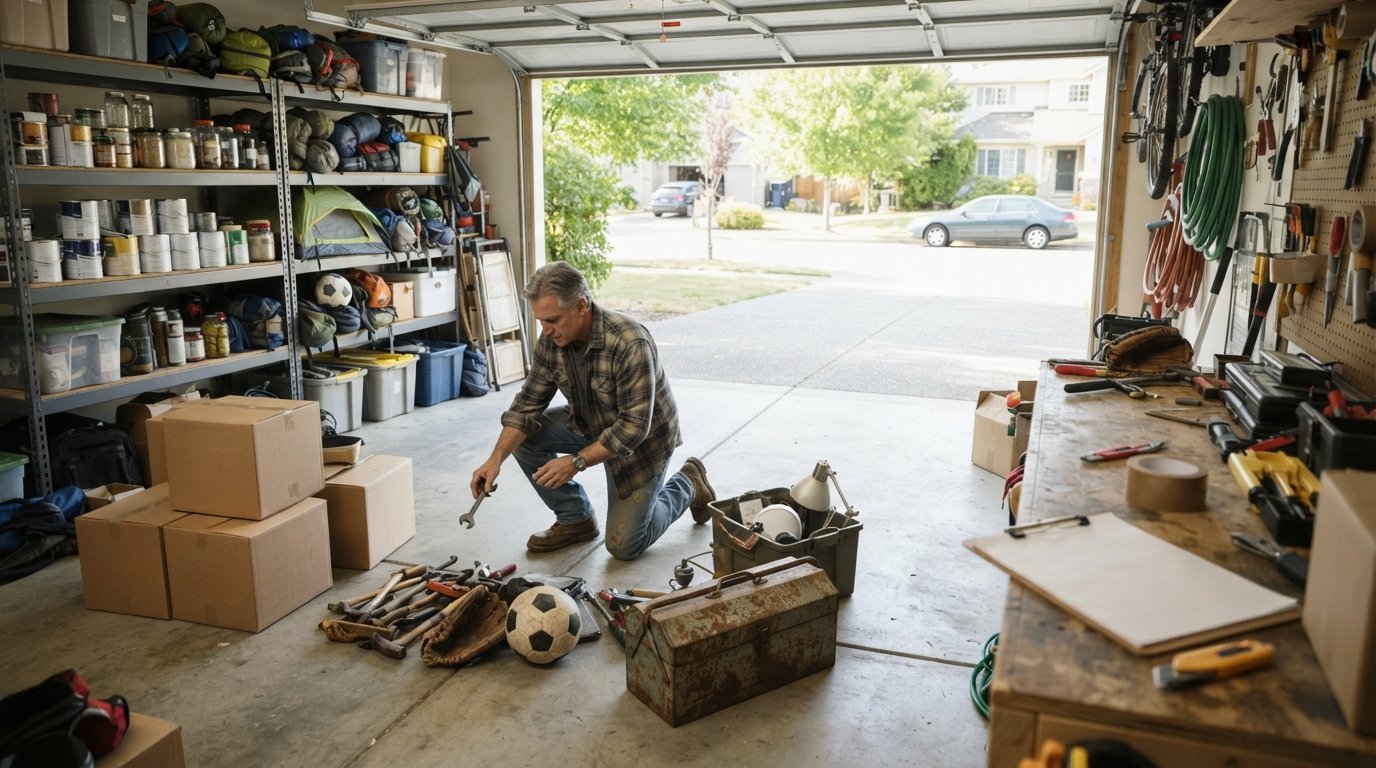
A garage is where clutter goes to hide. Tools, half-used paint cans, camping gear, and boxes you have not opened since the last move all pile up until the idea of packing it all feels impossible. But a garage move does not have to be a nightmare. With a clear plan, you can sort, pack, and dispose of everything efficiently, often in a single weekend. This guide walks you through how to prepare a garage full of tools and clutter for moving, from sorting hazardous materials to labeling heavy toolboxes, so you can hand over the keys with confidence and start fresh in your new home.
Start with a Sorting Strategy: Keep, Sell, Donate, Dispose
Before you touch a single box, set up four zones in your driveway or on the lawn: Keep, Sell, Donate, and Dispose. This simple framework turns a chaotic pile into a manageable system. Work through the garage one section at a time, starting with the easiest category (usually seasonal gear) and saving the most emotional or complex items (like inherited tools) for last.
As you sort, ask three questions: Have I used this in the past year? Will I need it in the next year? Does it fit my new home's lifestyle? If the answer is no to all three, it goes to Sell, Donate, or Dispose. For tools, be ruthless: duplicate wrenches, rusty hand tools, and broken power tools are prime candidates for donation or scrap. For chemicals, check expiration dates and local disposal rules (more on that below).
Once your zones are set, create a simple inventory sheet or use a moving app to log high-value items. This will help with insurance claims and packing prioritization. If you are also tackling other rooms, our guide on downsizing and decluttering offers room-by-room tactics that pair well with garage sorting.
Handle Hazardous Materials Safely and Legally
Garages are notorious for storing fuels, paints, propane tanks, and pesticides. These items are not only dangerous to pack but also illegal for movers to transport. Most moving companies will refuse to load flammable, corrosive, or explosive materials. Your best bet is to use them up, give them away, or dispose of them at a local household hazardous waste facility.
Here is a quick checklist for common garage hazards:
- Paints and solvents: Check with your city for hazardous waste pickup days. If the paint is still usable, donate it to a community group or a neighbor.
- Propane tanks: Never put these in a moving truck. Use the fuel or exchange the tank at a retailer. Empty tanks can sometimes be recycled.
- Motor oil, antifreeze, and gasoline: Drain lawn equipment and take fluids to an auto parts store or hazardous waste center. Never pour them down the drain.
- Pesticides and fertilizers: Follow local disposal guidelines. Many communities have special collection events.
Plan this step at least two weeks before moving day. Hazardous waste facilities often have limited hours, and you do not want to be stuck with a half-full gas can on the morning of your move. Also, remember that if you are hiring professional movers, they will appreciate a garage free of dangerous materials. For a smooth handoff, consider requesting a free quote from vetted movers who can advise on what is safe to load.
Pack Tools and Heavy Equipment Like a Pro
Tools are heavy, awkward, and often sharp. Packing them incorrectly can lead to injuries or damaged equipment. Start by grouping tools by type: hand tools, power tools, gardening tools, and automotive tools. Use sturdy boxes with reinforced bottoms, or better yet, invest in rolling tool chests or heavy-duty plastic bins with handles.
For a typical garage, follow these packing steps:
- Clean and dry every tool. Remove dirt, oil, and rust to prevent damage during transit.
- Disconnect and drain power tools. Remove batteries (they are considered hazardous in some cases) and pack them separately.
- Wrap sharp edges. Use cardboard or bubble wrap to cover blades, drill bits, and chisels.
- Label boxes clearly. Write "HEAVY: TOOLS" on the top and sides, and list the contents. This helps movers place them safely and prevents you from hunting for a wrench later.
- Secure shelving and cabinets. Empty and disassemble shelving units, then tape screws and hardware to the shelf itself in a labeled bag.
For very heavy items like toolboxes or bench grinders, consider using a dolly or hiring professional movers who are trained in heavy lifting. If you are moving long-distance, pack tools in smaller boxes to distribute weight evenly across the truck. And always keep a basic toolkit with you (hammer, screwdrivers, adjustable wrench) for reassembly at your new place.
Decide What Goes to Storage vs. the New Home
Not everything in your garage needs to make the final journey to your new home. Seasonal items like snowblowers or holiday decorations might be better off in a storage unit if your new place lacks space. Similarly, specialized tools you use only occasionally (like a tile saw) could be stored until you settle in.
Create a "storage" pile and a "new home" pile. For storage, use sturdy, stackable bins with clear labels. Keep a list of what is in each bin so you do not have to dig through everything when you need an item. If you are moving into an apartment or a home with a smaller garage, prioritize items that are essential for maintenance and daily life. Consider selling or donating bulky items that will not fit.
If you need storage, many moving companies offer short-term and long-term options. You can request a quote for storage services alongside your move to streamline the process. Just remember to keep hazardous materials out of storage units as well.
Clean and Finalize the Garage Before Handover
Once the garage is empty, it is time to clean. Sweep the floor, wipe down shelves, and remove any oil stains or debris. This is especially important if you are renting and want to get your security deposit back, or if you are selling your home and need to pass a final walkthrough.
Check for any items you might have missed: nails in the walls, forgotten boxes in corners, or items stored in the rafters. Dispose of trash properly and recycle what you can. If you are leaving behind built-in shelving or a workbench, confirm with the buyer or landlord whether they want it removed. A clean, empty garage signals to buyers and movers that you are organized and ready.
For homeowners planning a move, this is also a good time to consider upgrades that could add value, such as solar panels. If you are curious about harnessing solar energy for your new home, free solar power quotes can provide educational resources and connect you with reputable installers.
Pack a Moving-Day Garage Kit
On moving day, you will need easy access to certain items. Pack a separate "garage essentials" box that travels with you, not in the moving truck. Include:
- A basic tool set (hammer, screwdrivers, pliers, tape measure)
- Work gloves and safety glasses
- Trash bags and cleaning supplies
- Labels and markers for last-minute boxes
- Bottled water and snacks for the crew
This kit saves you from digging through packed boxes when you need to disassemble a bed frame or tighten a loose doorknob. Keep it in your car or a designated corner of the new house.
Final Walkthrough and Handover
Before you lock the garage for the last time, do a final sweep. Check corners, shelves, and the ceiling for anything left behind. Take photos of the empty garage for your records, especially if you are renting. If you are using professional movers, confirm that all items have been loaded and that nothing hazardous was left behind.
Preparing a garage full of tools and clutter for moving is a big job, but breaking it into stages makes it manageable. Start early, sort ruthlessly, and pack smart. With a little planning, you can turn a chaotic garage into a clean, empty space and focus on settling into your new home.