

How to Choose Out-of-State Moving Companies and Relocation Guide
Learn how to choose reliable moving companies out of state, compare costs, and plan a stress-free relocation with this practical guide.

By Rachel Clark
Moving to another state is a major life event that brings both excitement and stress. The logistics of a long-distance move require careful planning, from budgeting and packing to coordinating the actual transportation of your belongings. One of the most critical decisions you will make is selecting the right moving company. This Out-of-State Moving Companies and Relocation Guide will walk you through every step, ensuring you have the knowledge to make an informed choice and enjoy a smooth transition to your new home.
Many people underestimate the complexity of a cross-country move. Unlike a local move, you cannot simply load a truck and drive it across town. You need to consider the timing, the cost, and the safety of your possessions over a long distance. Working with a professional moving company that specializes in long-distance relocations can save you significant time and prevent costly damage. This guide will help you understand what to look for, what to expect, and how to avoid common pitfalls that can turn an exciting adventure into a nightmare.
Understanding the Costs of an Out-of-State Move
The cost of moving to another state is influenced by several factors, including the distance, the weight of your shipment, the time of year, and the services you choose. Most moving companies provide quotes based on the estimated weight of your belongings and the distance traveled. It is essential to get a clear, written estimate from multiple moving companies out of state relocation providers before making a decision. This will help you avoid surprise bills on moving day.
There are two main types of estimates: non-binding and binding. A non-binding estimate is an approximation, and the final cost can be higher if your shipment weighs more than expected. A binding estimate, on the other hand, guarantees the total price based on the weight you agree upon, provided you do not add or remove items. For a more predictable budget, consider a binding estimate. Also, ask about any potential additional fees, such as charges for stairs, long carries, or bulky items, so you can compare quotes accurately.
How to Get Accurate Quotes
To receive accurate quotes, you should provide detailed information about your inventory. Most reputable companies will conduct a virtual or in-home survey to assess the volume and weight of your possessions. Here are a few steps to ensure your quotes are reliable:
- Create a detailed inventory list of all your belongings, including the approximate number of boxes and large furniture pieces.
- Mention any specialty items, such as a piano, artwork, or antiques, that require extra care.
- Ask about the delivery window and whether you will have a guaranteed date or a range of days.
- Inquire about insurance coverage and what is included in the basic rate.
Once you have gathered several quotes, compare them not just on price but also on the services included. The cheapest option may not always be the best, especially if it lacks proper insurance or has a poor reputation. Look for a company that offers guaranteed pricing and professional service, which can provide peace of mind during a stressful time.
Types of Moving Companies Out of State Relocation
When planning a long-distance move, you will encounter different types of service providers. Understanding the differences will help you choose the right one for your needs. The two primary categories are full-service movers and self-service moving options. Full-service movers handle everything from packing and loading to transportation and unloading, while self-service options require you to do the packing and loading yourself, and you only rent a truck or a portable storage container.
For many people, full-service moving is the most convenient and least stressful option. Professional movers are trained to handle your belongings with care, and they have the equipment and experience to move heavy furniture safely. If you decide to go with a full-service company, you can also add packing and unpacking services. This is particularly helpful for families or individuals who lack the time or physical ability to pack an entire household. On the other hand, if you are on a tight budget and are willing to do the heavy lifting, a DIY move can save you money, but it requires more effort and planning.
What to Look for in a National Moving Company
Choosing a national moving company can offer advantages, such as a larger network of resources and the ability to handle moves to any state. However, not all national moving companies are created equal. Here are some key qualities to look for when evaluating moving companies out of state relocation:
- Proper licensing and registration with the Federal Motor Carrier Safety Administration (FMCSA) for interstate moves.
- Positive reviews and a strong reputation on platforms like the Better Business Bureau and Google.
- Transparent pricing with no hidden fees or vague estimates.
- Comprehensive insurance options to protect your belongings.
- Responsive customer support that is available throughout your move.
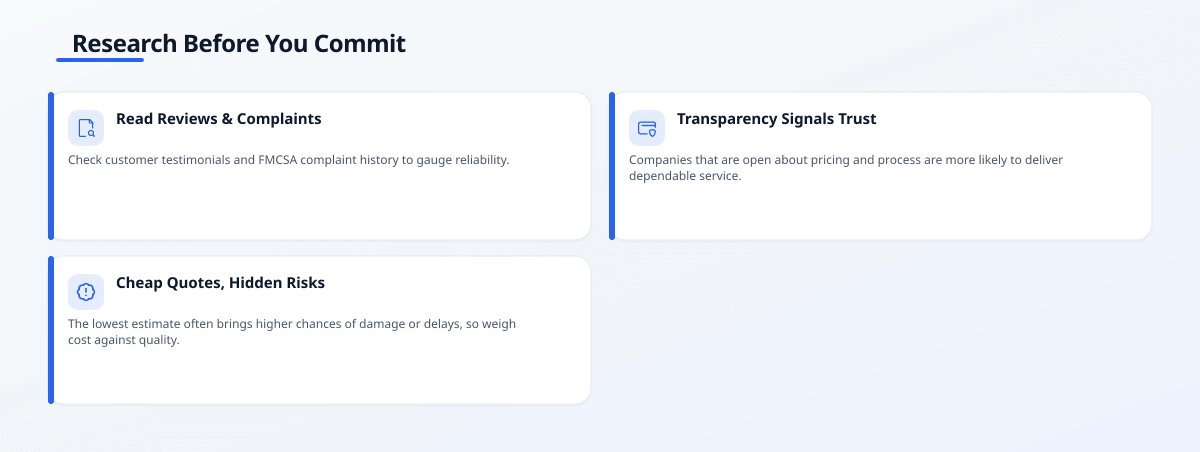
Take the time to research each candidate thoroughly. Read customer testimonials and check their complaint history with the FMCSA. A company that is transparent about its process and pricing is more likely to provide a reliable service. Remember, the cheapest quote may come with a higher risk of damage or delays, so prioritize quality and reliability over cost alone.
Planning Your Relocation Timeline
Moving out of state requires a longer lead time than a local move. Ideally, you should start planning at least eight to twelve weeks before your desired moving date. This gives you enough time to research companies, get quotes, and book your move, especially if you are moving during the peak season, which is typically from May to September. Early planning also allows you to secure a spot with your preferred moving company, as they often book up quickly.
As soon as you have a moving date, create a detailed timeline that includes all the tasks you need to complete. This should include notifying your utility companies, changing your address, and arranging for the transfer of your medical and school records. You should also plan to use up any items you cannot move, such as perishable food or hazardous materials. A well-organized checklist can significantly reduce the stress of the process and ensure that nothing is forgotten.
How to Prepare for Moving Day
In the weeks leading up to your move, focus on packing and preparing your home. If you have hired a full-service moving company, they will do the packing for you, but you should still set aside items you need on moving day and those you will keep with you, such as important documents and valuables. Clearly label all boxes and create an inventory list to help you keep track of your belongings.
On moving day, make sure to be present to oversee the loading process. Walk through your home with the move coordinator to ensure that everything is accounted for and that no items are left behind. Keep your contact information and the moving company's details handy in case you need to reach them during transit. After the movers depart, do a final check of your old home to make sure it is empty and clean.
Ensuring the Safety of Your Belongings
The safety of your belongings is a top priority when moving out of state. Professional moving companies use high-quality packing materials and techniques to protect your items during transit. However, accidents can still happen, so it is crucial to understand your insurance options. Basic liability coverage is often included, but it is usually minimal. You may want to purchase full value protection, which ensures that the company is liable for the replacement value of any items that are lost or damaged.
Before your move, document the condition of your high-value items with photos and keep a copy of your inventory list. If any damage occurs, report it to the moving company as soon as possible, ideally within 24 hours of delivery. A reputable company will work with you to resolve any issues. For more detailed advice on this topic, you can refer to our best interstate moving and storage services guide, which provides further insights into protecting your possessions.
Adjusting to Your New Home
Once your belongings arrive, the next step is unpacking and settling in. If you have unpacking services, the movers will place boxes in the appropriate rooms and remove the packing materials. If not, you will need to unpack yourself. Start by setting up the essential rooms, such as the bedroom and kitchen, so you can function comfortably while you tackle the rest of the house.
Take the time to explore your new neighborhood and introduce yourself to your neighbors. Register your children in their new schools and update your driver's license and vehicle registration. Moving to a new state is also an opportunity to reflect on the experience and embrace the change. While the process can be challenging, a successful move can open the door to new opportunities and a fresh start.
In conclusion, this Out-of-State Moving Companies and Relocation Guide has covered the essential aspects of planning a long-distance move. From understanding the costs and types of services to preparing for moving day and protecting your belongings, each step is crucial for a stress-free relocation. By choosing a reliable moving company and following a structured plan, you can minimize the risks and enjoy the excitement of starting a new chapter in your life. Remember to start early, ask the right questions, and prioritize the safety of your possessions to ensure a successful move.