How Car Transportation Companies Work: Your Vehicle Shipping Guide
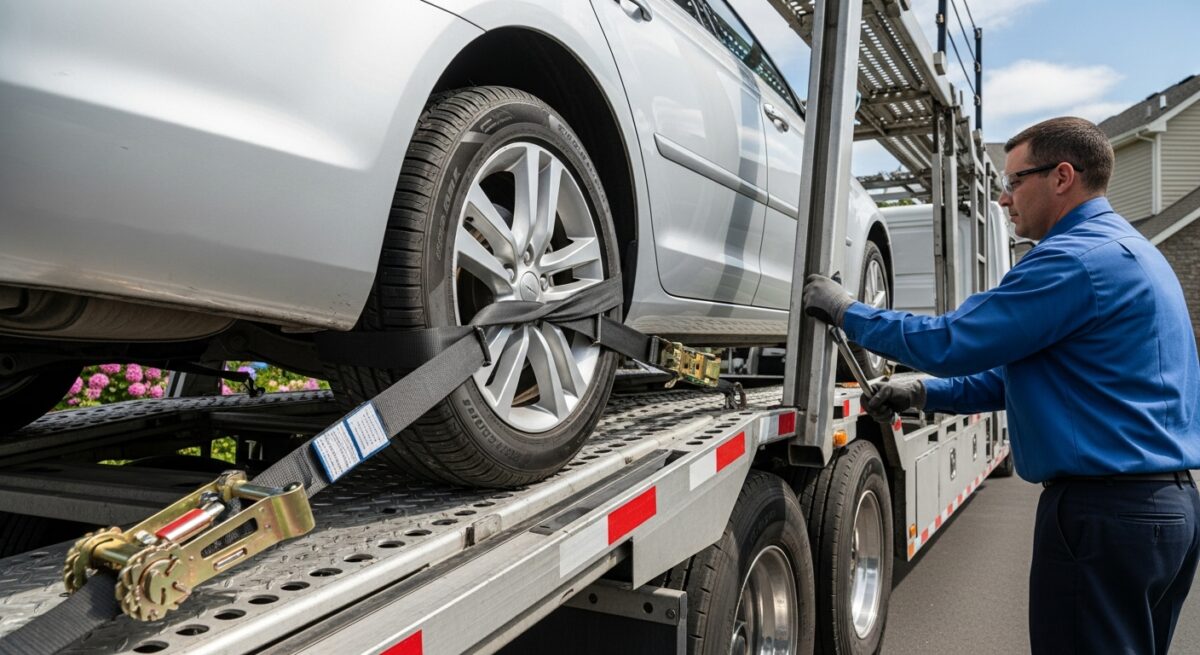
You need to move your car across the country, but driving it yourself isn’t an option. Whether you’re relocating for a job, buying a vehicle online, or deploying with the military, the process of entrusting your vehicle to a car transportation company can feel daunting. How does your car actually get from point A to point B? Who is responsible for it? What are the hidden steps and costs you should know about? Understanding how vehicle shipping works demystifies the entire process, transforming it from a stressful unknown into a manageable, well-planned logistical task. This guide will walk you through the inner workings of auto transport companies, from the initial quote to the final delivery inspection, empowering you to make informed decisions and ensure a smooth, secure move for your vehicle.
The Core Process of Vehicle Shipping
At its heart, the vehicle shipping process is a coordinated dance between you (the shipper), the carrier (the truck driver and their rig), and the broker or direct carrier company you hire. The journey begins when you request a quote, which is based on factors like vehicle size, transport type, distance, and seasonality. Once you book and prepare your car, it enters a network where logistics professionals work to match your shipment with a carrier heading in the right direction. The carrier then physically transports your vehicle on a specialized trailer, navigating routes and regulations to deliver it to your specified location. Throughout this process, communication, documentation, and insurance are the critical pillars that protect your interests. Understanding this flow is key to setting realistic expectations and avoiding common pitfalls.
Types of Car Transportation Services
Not all vehicle shipping is created equal. The service you choose depends on your budget, timeline, and the level of protection your vehicle requires. The primary distinction lies between open and enclosed transport. Open transport is the most common and cost-effective method, where vehicles are shipped on multi-level trailers exposed to the elements, similar to those used by car dealerships. It’s perfectly safe for the vast majority of standard cars and is ideal for long-distance moves. Enclosed transport, on the other hand, places your vehicle inside a covered trailer, protecting it from road debris, weather, and dust. This service is typically reserved for classic, luxury, exotic, or high-value vehicles where preservation is paramount.
Beyond the trailer type, services are also defined by the exclusivity of the shipment. Terminal-to-terminal shipping involves dropping off and picking up your vehicle at designated hubs or lots, which can be more affordable but less convenient. Door-to-door service, as the name implies, involves the carrier picking up and delivering your vehicle as close to your specified addresses as legally and safely possible, offering maximum convenience. For those with multiple vehicles or large equipment, dedicated transport might be an option, though it comes at a premium. Choosing the right combination of these services is the first major decision you’ll make when working with auto transport companies.
Understanding Quotes, Pricing, and Hidden Fees
One of the most confusing aspects of hiring vehicle shipping services is deciphering the quote. Pricing is dynamic, influenced by a complex matrix of factors. Fuel costs, carrier availability, route popularity, and seasonal demand (summer and year-end are often peak times) all play a significant role. The quote you receive is typically a blend of the base rate, which covers the carrier’s operational costs, and the company’s broker fee if you’re not working directly with a carrier. It’s crucial to understand that the lowest quote is not always the best deal; it can sometimes indicate a less reputable broker or lead to surprise fees later.
Transparency is vital. A reputable company will explain the major cost drivers and what is included. Be wary of quotes that seem too good to be true. Always ask what is not included. Common additional charges, which may be legitimate, include fees for expedited service, remote or hard-to-access pickup/delivery locations (which require a shuttle service), or vehicles that are inoperable. Inoperable cars require special equipment to load and unload, adding labor and time. To avoid surprises, get everything in writing. A clear, itemized quote or service agreement protects you. For a comprehensive look at budgeting for all aspects of a move, including vehicle transport, you can explore our detailed resource on how car shipping companies work to plan your expenses effectively.
Key Factors That Influence Your Shipping Cost
To better understand your quote, consider these primary factors that car transportation companies evaluate:
- Distance and Route: Longer distances generally cost more, but price per mile often decreases. Popular routes between major cities are usually cheaper than remote destinations.
- Vehicle Size and Weight: A compact car costs less to ship than an SUV, truck, or van. Oversized vehicles may require specialized trailers or take up more space.
- Transport Method: Open transport is significantly less expensive than enclosed transport.
- Vehicle Condition: An inoperable vehicle (non-running) will incur higher fees due to the need for winches and extra labor.
- Time of Year: Demand peaks in summer and around holidays, driving prices up. Winter can sometimes offer lower rates, though weather can cause delays.
When you’re ready to take the next step and see what your specific move might cost, it’s wise to gather multiple estimates. You can start this process by using our partner service to get a free moving quote, which can include vehicle transport options for a full picture of your relocation budget.
Preparing Your Vehicle for Shipment
Your responsibilities don’t end at booking the service. Proper preparation is essential for a smooth pickup and to ensure any damage claims are valid. Start by giving your car a thorough cleaning, both inside and out. This isn’t just for courtesy, it allows for a precise inspection and documentation of its pre-shipment condition. Photograph your vehicle from all angles, including close-ups of any existing dents, scratches, or imperfections. These photos are your evidence in the unlikely event of a dispute. Next, remove all personal belongings from the interior and trunk. Car transportation companies’ insurance does not cover personal items left in the vehicle, and they can become hazardous projectiles during transit.
Mechanically, ensure your car has about a quarter tank of fuel. This is enough for loading and unloading but minimizes weight and safety risk. Check fluid levels and tire pressure. Disable any alarm systems, or provide the driver with clear instructions on how to deactivate them. Finally, be prepared to provide the driver with a set of keys. Document the mileage at pickup on the Bill of Lading, the critical contract you’ll sign. This preparation, which may take only an hour or two, provides immense peace of mind and professional courtesy to the carrier handling your vehicle.
The Pickup, Transit, and Delivery Procedure
On the scheduled pickup day, the carrier will contact you to provide a more precise arrival window. When the driver arrives, you will conduct a joint inspection. Use the company’s inspection form or your own checklist, noting every scratch, dent, or chip on the vehicle condition report. Both you and the driver will sign this document, and you should keep a copy. This report, attached to the Bill of Lading, is the legal record of the car’s state at the beginning of transit. The Bill of Lading also outlines the terms of service, so read it carefully before signing.
During transit, you can typically track your vehicle’s progress. Reputable auto transport companies provide updates, though the exact frequency varies. The driver is focused on safety and legal driving hours, so communication might be periodic. Upon delivery, the process repeats in reverse. You and the driver will inspect the vehicle together, comparing its condition to the initial report. Note any new discrepancies on the delivery receipt before you sign and accept the vehicle. Only after this final inspection and signing should you release the final payment if it was not paid upfront. This structured handoff protects all parties and ensures a clear chain of responsibility.
Insurance, Liability, and Protecting Your Investment
A paramount concern for anyone shipping a car is insurance. Reputable vehicle shipping services are required by the Federal Motor Carrier Safety Administration (FMCSA) to carry cargo insurance. This insurance covers damage to your vehicle that occurs while it is in the carrier’s possession. It is critical to verify the carrier’s insurance coverage before booking. Ask for the certificate of insurance and understand the coverage limits and deductible. The standard coverage is typically sufficient for most vehicles, but owners of ultra-high-value cars should discuss their needs with the company and potentially seek supplemental insurance.
Your personal auto insurance policy may provide some coverage during transport, but you must confirm this with your agent. The key to a successful claim, should one be necessary, is documentation. The pre- and post-inspection reports and photographs are your primary evidence. Any damage discovered upon delivery must be noted on the delivery receipt before you sign. If you find damage after the driver has left, contact the company immediately, as there may be a short window to file a claim. Understanding the claims process upfront, including timelines and required documentation, is a critical part of choosing a trustworthy car transportation company.
Frequently Asked Questions
How long does it take to ship a car cross-country?
For a standard coast-to-coast shipment via open transport, expect a transit time of 7 to 10 days. However, this is an estimate. Factors like weather, route, driver schedules, and the need to fill a trailer for efficient routing can add several days. Always build a buffer into your plans.
Should I use a broker or a direct carrier?
Brokers act as intermediaries, connecting you with a network of carriers. They can offer more options and sometimes competitive pricing. Direct carriers operate their own trucks. There are excellent companies in both models. The key is to research reputation, verify licensing and insurance, and ensure clear communication, regardless of the business model.
Can I pack belongings in my car during a move?
No. For safety and insurance reasons, all personal items must be removed. Carrier insurance does not cover personal contents, and items can shift, causing damage to your vehicle’s interior or becoming a safety hazard. Treat car shipping as a vehicle-only service.
What paperwork do I need to provide?
You will need a valid driver’s license for identification and proof of ownership (vehicle title or registration). If someone else is authorized to release or accept the car on your behalf, you may need a notarized letter of authorization.
How do I verify a company is legitimate?
Always check their USDOT number and MC number (for carriers) on the FMCSA’s SAFER website. This confirms they are registered, insured, and allows you to review their safety record. Read independent customer reviews on multiple platforms and check their standing with the Better Business Bureau.
Navigating the world of car transportation companies is straightforward once you understand the fundamental steps of how vehicle shipping works. By focusing on preparation, documentation, and choosing a reputable provider based on verified information rather than just the lowest price, you can transform a complex logistical challenge into a seamless part of your relocation journey. Your vehicle is a significant investment, and entrusting it to professionals should bring peace of mind, not anxiety. With this knowledge, you are equipped to ask the right questions, set proper expectations, and ensure your car arrives safely at its new home, ready for your next adventure.