Hire Local Moving Labor for Your DIY Move: A Smart Guide
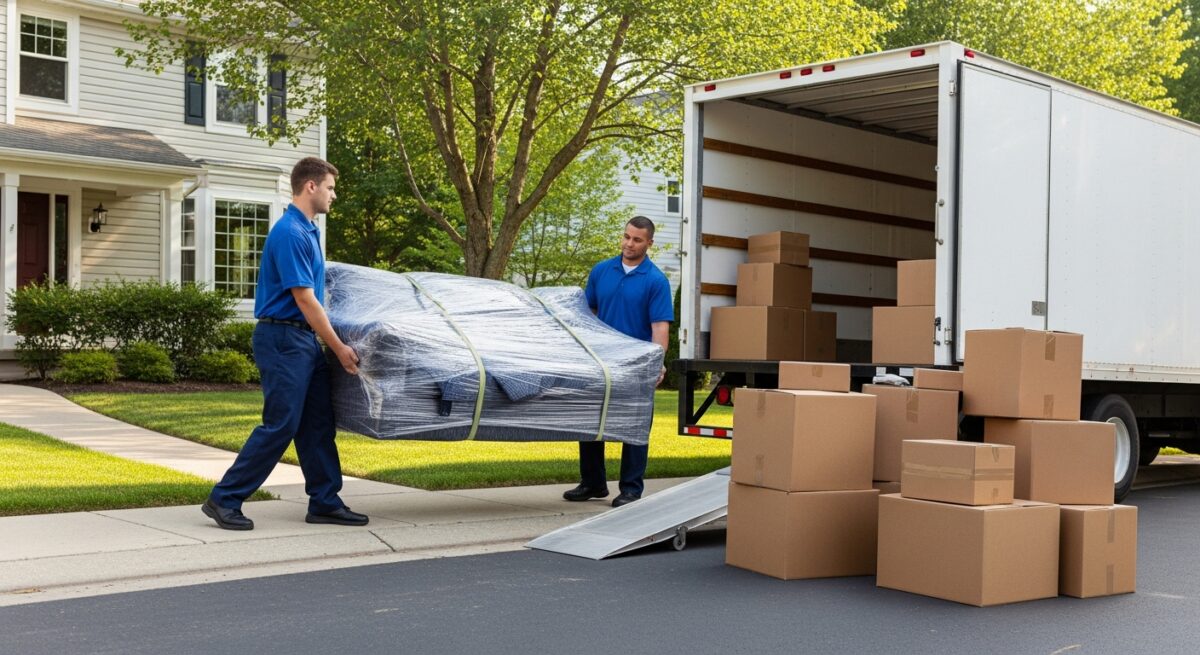
You have the truck rented, the boxes are stacked to the ceiling, and you are committed to a do-it-yourself move to save money. But as moving day approaches, a familiar dread sets in. The thought of lifting your heavy sofa, maneuvering the king-size mattress down a narrow staircase, and loading everything safely into the truck is daunting, both physically and logistically. This is where the strategic use of local moving labor services transforms your DIY move from a stressful ordeal into a manageable, cost-effective success. By hiring professional moving labor for just the heavy lifting and loading, you retain control and savings while offloading the most difficult parts of the job.
What Are Local Moving Labor Services?
Local moving labor services, often called “labor-only” or “helping hand” services, provide a flexible middle ground between a full-service moving company and a completely solo effort. You rent the truck and manage the overall move, but you hire a team of professional movers for a set number of hours to handle the physically demanding tasks. These tasks typically include loading your belongings at the old home, unloading them at the new home, or both. This model is perfect for the budget-conscious mover who is capable of packing, organizing, and driving but needs muscle and expertise for the furniture.
The core value lies in their expertise, not just their strength. Professional moving laborers know how to disassemble and reassemble furniture, protect floors and walls, and use equipment like furniture dollies, shoulder straps, and moving blankets to transport items efficiently and safely. They understand how to strategically load a truck to maximize space and prevent damage during transit. This knowledge is invaluable and is something you cannot get from simply recruiting friends. For a deeper dive into vetting moving professionals, our guide on how to find and hire the best local moving company offers essential criteria that also apply to selecting labor crews.
The Strategic Benefits of Adding Labor to Your DIY Move
Choosing to integrate moving labor help into your plan offers a compelling array of advantages that address the most common pain points of a self-move. First and foremost is cost savings. You avoid the premium price of a full-service mover, which includes their trucks, fuel, insurance, and corporate overhead. You pay only for the labor hours you need, often at a transparent hourly rate. This can result in savings of 50% or more compared to a full-service move for a local relocation.
Secondly, you gain significant control and flexibility. You choose the truck rental company, the schedule, and the pace. You pack your boxes your way, ensuring your fragile items are handled to your standards. The labor team works on your timeline for the hours you book, allowing you to split services, for example, hiring them to load in the morning and unload in the afternoon after you have driven the truck yourself. This control extends to reducing physical strain and injury risk. Moving heavy items is the leading cause of moving-related injuries. By delegating this risk to trained professionals, you protect your back and your well-being.
Perhaps the most underrated benefit is efficiency and speed. A team of two or three professional movers can load a truck in a fraction of the time it would take an untrained group of friends. They work systematically, with the right tools and techniques. This efficiency not only saves you time but can also save you money, as many truck rentals are charged by the day, and beating a deadline can be crucial. Finally, it preserves personal relationships. Instead of calling in favors and potentially straining friendships with a long, exhausting day of labor, you can invite friends for lighter tasks or simply for pizza after the heavy work is done by the pros.
When to Hire Moving Labor for Your DIY Move
Not every move requires hired help, but certain scenarios make local moving labor services an exceptionally wise investment. Recognizing these situations can help you plan a smarter, less stressful relocation. The most obvious trigger is the presence of heavy, bulky, or awkward items. Grand pianos, pool tables, antique armoires, large safes, and major appliances like refrigerators and washing machines demand specialized handling that goes beyond brute force.
Challenging logistics at either your old or new home also warrant professional help. This includes navigating multiple flights of stairs, dealing with narrow hallways or tight corners, moving items across long distances from an apartment to a street-parked truck, or handling elevators with strict time limits. If you or your helpers have any physical limitations, hiring labor is not just convenient, it is a necessary precaution. Furthermore, if you are on a tight timeline, perhaps due to lease overlaps or work commitments, the speed of professionals becomes a critical asset to keep your entire move on schedule.
How to Find and Vet Local Moving Labor Help
Finding reliable local moving labor requires a bit of research to ensure you get a professional, insured team. Start with dedicated moving labor marketplaces and apps that connect customers with pre-vetted crews. These platforms often provide customer reviews, verified insurance, and clear pricing models. You can also search for local moving companies that offer “labor-only” or “loading/unloading” services as an a la carte option. Read reviews meticulously on multiple sites like Google, Yelp, and the Better Business Bureau. Look for consistent praise about punctuality, care, and efficiency.
Once you have a shortlist, contact them for a quote. Be prepared to provide details: the approximate size of your home (e.g., 2-bedroom apartment), a list of major items, the presence of stairs, and the addresses for estimated travel time. A reputable service will ask these questions to give an accurate estimate. Always ask key questions before booking. Confirm they are insured for worker’s compensation and liability; this protects you if a worker is injured on your property or if they damage your belongings or home. Ask about their hourly rate, minimum hour requirement, travel fees, and if the rate is per person or for the team. Get everything in writing via email or a simple service agreement.
Preparing for Your Moving Labor Team: A Checklist
To maximize your investment and ensure the team can work quickly and effectively, thorough preparation on your part is essential. A well-prepared home allows the laborers to focus on their core task: moving. Follow this checklist in the days leading up to their arrival.
- Complete All Packing: Every single item must be in a box, taped shut, and clearly labeled. The team should not wait for you to finish packing a closet. Fragile items should be properly padded.
- Create Clear Pathways: Move all boxes and smaller items to a central area near the exit, or at least ensure all hallways, staircases, and doorways are completely clear of obstructions.
- Disconnect and Prepare Appliances: Have your refrigerator defrosted and dried. Disconnect your washer, dryer, and dishwasher. Secure cords and doors with tape.
- Disassemble What You Can: Take apart bed frames, remove table legs, and take down wall-mounted TVs (packing the components and hardware together in a labeled bag). This saves significant time.
- Protect Your Home: Lay down old sheets or cardboard on high-traffic routes and have moving blankets ready (though a good crew will bring their own).
- Have a Plan and Communicate It: Be ready to direct the team lead on what goes first, what is fragile, and which rooms to start with. Point out the truck parking spot.
By having everything ready, you turn paid hours into pure, productive moving time. This preparation also reduces the risk of damage, as the crew is not navigating clutter. When the team arrives, do a quick walk-through, point out any special instructions, and then let them do their job. Offer water, but otherwise, stay out of the way unless you have a specific question. Your role shifts from laborer to project manager.
Cost Expectations and How to Save Money
Understanding the cost structure of local moving labor is key to budgeting effectively. Most services charge an hourly rate for a team of two or three movers, with a minimum booking period (often two or three hours). Rates vary significantly by location, season, and the company’s reputation, but a typical range is between $90 and $150 per hour for a two-person team. This fee usually includes their travel to and from your location, their expertise, and basic moving equipment like dollies and blankets.
Several factors can increase the final cost. Travel fees may apply if you are outside their standard service area. Charges for additional services like packing, furniture disassembly/reassembly, or handling specialty items (e.g., a piano) will be extra. The single biggest variable, however, is your preparation. The more work you do beforehand (packing, disassembling, clearing paths), the faster the job will go, and the fewer hours you will pay for. Booking during weekdays or in the middle of the month is often cheaper than weekends or month-ends, which are peak moving times. Finally, always get a detailed, written estimate that outlines the hourly rate, minimum hours, and any potential additional fees so there are no surprises on moving day.
Ensuring a Smooth and Safe Experience
A successful labor-assisted move hinges on clear communication and reasonable expectations. Be present and available to answer questions, but trust the professionals you hired. Designate one person to be the point of contact to avoid confusing the crew with multiple instructions. If something is extremely valuable or irreplaceable, consider transporting it yourself in your personal vehicle. While a professional crew is trained to handle all sorts of items, peace of mind for your grandmother’s china is priceless.
It is also wise to understand the limits of labor-only services. Their primary responsibility is the physical transport of items from point A to point B inside your homes and truck. The safe transit of the truck between locations is your responsibility. You are the driver, and you are liable for the cargo during that journey. For total peace of mind and the safest transport of all your belongings, some individuals choose to combine labor help with full professional moving services for the truck driving portion, though this increases cost. Regardless, verify the labor crew’s insurance coverage before they start. A reputable provider will have both liability insurance (for your property) and worker’s compensation (for their employees), which is your critical safeguard.
Frequently Asked Questions
Q: Do I need to tip my moving laborers?
A: While not mandatory, tipping is a standard and appreciated practice in the moving industry for good service. A common guideline is $20-$40 per mover for a half-day job, or $40-$60 per mover for a full day, adjusted based on the complexity of the move and the quality of service.
Q: What if the job takes less time than the minimum hours I booked?
A: You will typically be charged for the minimum booked hours. This is why preparation is so important: if you are efficient, the team can accomplish more within that minimum window, giving you greater value.
Q: Can I hire them to help with packing as well?
A> Many moving labor services offer packing as an add-on service, usually at an additional hourly rate. Discuss this when booking your quote.
Q: Who provides the moving truck and packing supplies?
A> In a DIY move with labor help, you are responsible for renting the truck (from companies like U-Haul, Penske, or Budget) and supplying all boxes, tape, and packing materials.
Q: What happens if it rains on moving day?
A> Professional movers work in all weather conditions. Have a plan to protect items during the dash from house to truck, like using furniture blankets or plastic wrap. The crew will likely have some protective materials, but you should have tarps or large garbage bags on hand as well.
Integrating local moving labor into your DIY move is a powerful strategy that blends autonomy with professional prowess. It allows you to maintain a budget-friendly approach while eliminating the most physically taxing and technically challenging aspects of relocation. By doing your homework, preparing thoroughly, and hiring a reputable crew, you transform moving day from a source of anxiety into a well-executed operation. You will save your back, your time, and potentially your friendships, all while ensuring your possessions are handled with care. This hybrid model proves that you do not have to choose between saving money and having a smooth move; with the right help, you can confidently achieve both.