How to Find and Hire the Best Local Moving Company Near You
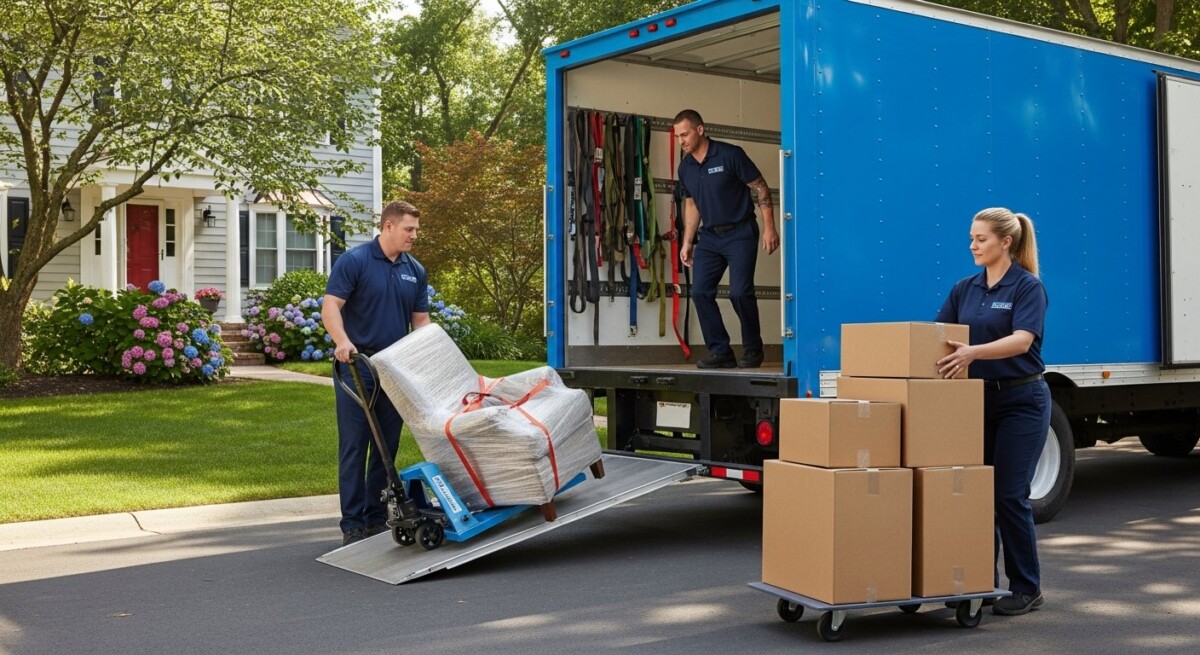
Searching for a “moving company near me” is one of the most critical steps in ensuring a smooth, stress-free relocation. The right local mover becomes your partner in transition, handling your possessions with care and executing a complex logistical plan. The wrong choice, however, can lead to damaged belongings, hidden fees, delays, and immense frustration. This comprehensive guide will walk you through the entire process of identifying, vetting, and hiring a reputable local moving company, transforming an overwhelming task into a manageable, informed decision.
Understanding Your Moving Needs Before You Search
Before you type a single query into a search engine, take time to clearly define your move’s scope. A vague search will yield vague results. Start by assessing the size of your home. A studio apartment move requires a vastly different service than a four-bedroom house. Create a basic inventory of large items: how many beds, dressers, sofas, appliances, and special items like pianos or grandfather clocks do you have? Next, consider access. Does your current or new home have stairs, elevators, long walkways, or narrow doors? These factors can significantly impact the time and labor required. Finally, determine your desired service level. Do you need full-service packing, or will you handle packing yourself and just need loading, transport, and unloading? Clarifying these details upfront allows you to communicate effectively with potential movers and get accurate, comparable quotes.
Where to Look for a Reputable Local Moving Company
Your search for a quality local mover should be multi-faceted, relying on more than just the top results of a search engine. Begin with personal recommendations. Ask friends, family, and colleagues who have recently moved locally about their experiences. Real-world testimonials are invaluable. Next, utilize online review platforms like Google, Yelp, and the Better Business Bureau (BBB). Look for patterns in feedback: consistent praise for careful handling or recurring complaints about tardiness. Professional associations are another excellent resource. Companies holding certifications from the American Moving and Storage Association (AMSA) or your state’s moving association often adhere to higher standards. Finally, while search engines are a tool, use them strategically. Search for phrases like “licensed movers in [Your City]” or “best-rated local moving company.” Be wary of companies that have only a handful of perfect reviews or no digital footprint at all.
The Essential Vetting Process: Red Flags and Green Lights
Once you have a shortlist of 3-5 potential moving companies, the vetting process begins. This step separates professional operations from unreliable ones. First, and most critically, verify licensing and insurance. For local moves, regulations vary by state. A legitimate company will have a valid state Department of Transportation (DOT) number or other required licensing. They must also provide proof of insurance for both liability (covering your belongings) and workers’ compensation (covering their employees on your property). Never hire a mover who cannot provide this documentation. Second, insist on an in-person or detailed video survey for an estimate. A quote given solely over the phone for a full household is a major red flag. A reputable mover needs to see what they are moving to provide a binding or accurate not-to-exceed estimate. Third, scrutinize their communication. Are they prompt, professional, and willing to answer all your questions? A company’s responsiveness during the sales process often reflects their operational reliability. For a deeper dive into evaluating feedback, our guide on how to read and trust moving company reviews offers a detailed framework.
Deciphering Estimates and Understanding Moving Costs
Understanding how movers charge is key to avoiding surprise bills. For local moves, the most common pricing method is an hourly rate. This rate typically covers a crew of movers and a truck for a set minimum number of hours (often 2-4). The final cost is the hourly rate multiplied by the total time from when the truck arrives at your origin to when it is unloaded and empty at your destination. Other factors can add to this base rate: travel fees (if outside a standard service area), packing materials if purchased from the mover, fees for moving heavy or special items (pianos, safes), and charges for long carries or stair fees. Always ask what is included in the hourly rate. To get accurate comparisons, provide each company with the same inventory list and access details. The lowest hourly rate is not always the best deal: a slower, less experienced crew might take twice as long, ultimately costing more. When you are ready to compare specific pricing for your move, you can get a free moving quote from our network of vetted providers.
When reviewing estimates, you will encounter three main types:
- Binding Estimate: A guaranteed price based on the mover’s survey. The final cost cannot exceed this amount unless you add items or services on moving day.
- Non-Binding Estimate: An approximation of the cost. The final charge is based on the actual weight of your shipment (for long-distance) or actual hours worked (for local), and you pay that amount upon delivery.
- Binding Not-to-Exceed Estimate: A favorable option. You pay the lower of the binding estimate or the actual calculated cost based on weight or hours. It provides a price ceiling, potentially saving you money if the move goes faster than expected.
For a local move, a binding or binding not-to-exceed estimate based on an in-home survey offers the most financial protection. Ensure every cost detail is in writing on the order for service or bill of lading before you sign.
Preparing for Moving Day: A Partnership for Success
Your role in preparing for moving day is just as important as the mover’s role. Proper preparation ensures efficiency, safety, and accuracy. Start by decluttering aggressively. Moving items you no longer want is a waste of money and time. Donate, sell, or discard unwanted goods well in advance. If you are packing yourself, begin early and label every box clearly with its contents and the room it belongs in at the new home. Use high-quality boxes and packing materials. Create a “first day” box with essentials like toiletries, medications, phone chargers, a change of clothes, and basic tools. Communicate clearly with your moving company. Provide a confirmed parking plan for the moving truck at both locations. Designate one person to be the point of contact for the crew foreman to answer questions. Do a final walkthrough with the foreman before they start loading to point out any items not to be moved and to confirm the inventory sheet. Finally, have cash on hand to tip the crew if they provide excellent service, typically 5-10% per mover or a flat amount per person.
Frequently Asked Questions About Hiring Local Movers
Q: How far in advance should I book a local moving company?
A: For peak season (May through September), especially on weekends or at month-ends, book at least 4-8 weeks in advance. For off-peak moves, 2-4 weeks is usually sufficient.
Q: What is the difference between a local move and an intrastate move?
A: A local move is typically defined by the mover’s service area, often within a 50-mile radius or within the same metropolitan area, and is charged hourly. An intrastate move crosses more significant distance within the same state and may be charged by weight and distance. Always confirm how a company defines “local.”
Q: Should I tip my movers, and if so, how much?
A: Tipping is customary for good service. A standard tip is 5-10% of the total bill divided among the crew, or $20-$50 per mover for a half-day job, and $50-$100 per mover for a full day. Offer the tip to the foreman to distribute.
Q: What happens if my belongings are damaged during the move?
A> Immediately note any damage on the mover’s inventory sheet before you sign it. For damage discovered after unpacking, notify the company in writing as soon as possible, ideally within 24-48 hours. Your ability to file a claim will depend on the type of valuation coverage (insurance) you selected.
Q: Can I move items like propane tanks, cleaning chemicals, or plants?
A> Most professional movers cannot transport hazardous materials like propane, gasoline, bleach, or aerosol cans. They also typically will not move live plants over long distances due to risk of death. Plan to transport these items yourself.
Finding the right moving company near you is an investment in peace of mind. By conducting thorough research, asking detailed questions, and understanding the process from estimate to unloading, you empower yourself to make a confident choice. A successful move is built on clear communication, realistic preparation, and a partnership with a professional, trustworthy team. For those considering a move beyond your immediate area, the principles of vetting remain similar, but the logistics change. You can explore these specifics in our resource on finding the best long distance moving company near me. With the right planning and the right partner, your relocation can be the start of an exciting new chapter, not a story of stress and setbacks.