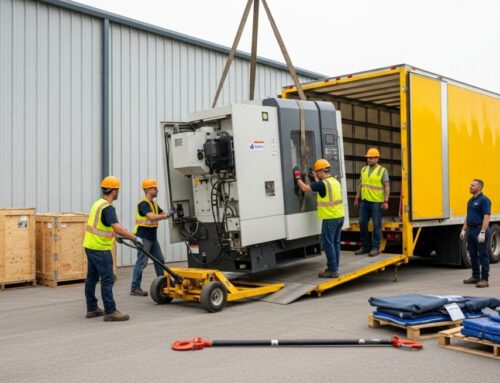
Hire House Moving Services for a Smooth Residential Relocation

Moving your household from one home to another is one of life’s most demanding tasks. The process involves packing fragile items, coordinating logistics, and ensuring that everything arrives safely at your new address. Many people underestimate the physical and emotional toll of a move until they are in the middle of it. This is why professional house moving services and residential relocation support have become essential for modern families. Whether you are moving across town or across the country, hiring experts can transform a chaotic experience into an organized, efficient transition.
The decision to hire a house moving service is not just about lifting heavy boxes. It is about gaining access to a system designed to protect your belongings, save your time, and reduce stress. Professional movers bring specialized equipment, trained personnel, and proven strategies that a DIY move simply cannot match. In this article, we will explore the critical aspects of residential relocation, from choosing the right company to understanding the costs and preparing for moving day. By the end, you will have a clear roadmap for a successful move.
Why Professional House Moving Services Are Worth the Investment
Many homeowners consider moving themselves to save money. However, the hidden costs of a DIY move often exceed the price of hiring professionals. Renting a truck, buying packing materials, taking time off work, and risking injury or damage to your belongings can add up quickly. House moving services provide a comprehensive solution that covers everything from packing and loading to transportation and unpacking. This all-in-one approach eliminates the need for you to manage multiple vendors or worry about logistics.
Professional movers also carry insurance and liability coverage. If a valuable item gets damaged during transit, you have recourse. This peace of mind is especially important when moving expensive electronics, antiques, or family heirlooms. Additionally, trained movers know how to navigate staircases, elevators, and tight corners without damaging walls or door frames. They use furniture pads, straps, and dollies to protect your items and your home. For those who value efficiency and safety, investing in house removal companies is a smart choice.
Another benefit is time savings. A professional team can pack an entire house in a fraction of the time it would take you to do it alone. They follow a systematic process that minimizes downtime and ensures that everything is ready for loading on schedule. This allows you to focus on other important tasks, such as changing your address, setting up utilities, and saying goodbye to neighbors. In the end, the cost of hiring movers is often offset by the value of your time and the reduced risk of costly mistakes.
How to Choose the Right House Removal Companies
Selecting a reliable moving company is the most important decision you will make during your relocation. With so many options available, it is essential to do your research. Start by asking for recommendations from friends, family, or real estate agents. Online reviews on platforms like Google and Yelp can also provide insight into a company’s reputation. Look for patterns in feedback, paying attention to comments about punctuality, professionalism, and handling of belongings.
Once you have a shortlist, request in-home estimates from at least three companies. A reputable mover will want to see your belongings in person to provide an accurate quote. Be wary of companies that give quotes over the phone or via email without a visual inspection. These estimates are often too low and may lead to surprise charges on moving day. When comparing quotes, look for a breakdown of costs, including labor, transportation, packing materials, and any additional fees. The goal is to find a balance between affordability and quality.
Before signing a contract, verify that the company is licensed and insured. For interstate moves, check that they have a USDOT number with the Federal Motor Carrier Safety Administration. Local movers should have state-level licensing. Insurance is equally important. Ask about their coverage options and whether your belongings are protected during transit. Some companies offer full-value protection, while others provide only basic liability. Understanding these details will help you avoid unpleasant surprises if something goes wrong.
Red Flags to Watch For
Unfortunately, the moving industry has its share of scammers. Be cautious of companies that demand a large deposit upfront, refuse to provide a written estimate, or have a history of complaints with the Better Business Bureau. Another red flag is a company that changes its name frequently to avoid negative reviews. Trust your instincts. If a deal sounds too good to be true, it probably is. Taking the time to vet house removal companies thoroughly will save you from headaches down the road.
Understanding the Cost of Residential Relocation
The cost of a move depends on several factors, including the distance, the volume of belongings, the time of year, and the services you choose. Local moves are typically charged by the hour, while long-distance moves are based on weight and distance. On average, a local move can cost between $80 and $150 per hour for a team of two to three movers. Long-distance moves can range from $2,000 to $5,000 or more, depending on the specifics.
Additional services such as packing, unpacking, and storage will increase the total cost. Packing materials like boxes, tape, and bubble wrap are often sold by the mover, so ask for an itemized list. Some companies offer a flat-rate package that includes everything, which can simplify budgeting. It is also worth noting that moving during peak season (May through September) often comes with higher rates. If you have flexibility, scheduling your move during the off-season can save you money.
To avoid surprise bills, ask about potential extra charges. These may include fees for stairs, long carries, bulky items like pianos, or shuttle services if the moving truck cannot access your street. A trustworthy company will disclose these fees upfront. For more details on managing unexpected moving situations, you can refer to our guide on Emergency Same Day Moving Services: A Complete Guide. Understanding the full scope of costs helps you plan your budget accurately and prevents financial stress on moving day.
Preparing for Moving Day: A Step-by-Step Checklist
Proper preparation is the key to a smooth move. Start by creating a timeline that outlines tasks for each week leading up to the move. This will help you stay organized and avoid last-minute panic. Here are the essential steps to take before moving day arrives:

- Declutter your home by donating, selling, or discarding items you no longer need. This reduces the volume of belongings and lowers your moving cost.
- Gather packing supplies such as sturdy boxes, packing tape, bubble wrap, and markers. Consider using specialty boxes for dishes, wardrobe items, and electronics.
- Pack room by room, labeling each box with its contents and destination room. Create an inventory list to track your items.
- Notify utility companies, update your address with the post office, and arrange for internet and cable installation at your new home.
- Prepare an essentials box with items you will need immediately after the move, such as toiletries, a change of clothes, medications, phone chargers, and important documents.
On moving day, be present to supervise the loading process. Walk through the house with the moving crew to point out fragile items and provide any special instructions. Keep your phone charged and have a copy of your contract and payment method ready. After the movers leave, do a final check of every room to ensure nothing is left behind. By following this checklist, you minimize the chances of forgotten items or damaged goods.
Packing Tips for a Safe and Efficient Move
Packing is often the most time-consuming part of any relocation. The way you pack directly affects the safety of your belongings and the efficiency of the moving process. Start by using high-quality boxes that are not worn or damaged. Double-layer boxes are ideal for heavy items like books and kitchenware. For fragile items, wrap each piece individually in packing paper or bubble wrap, and use crumpled paper as filler to prevent movement inside the box.
Label each box clearly on multiple sides. Include a brief description of the contents and the room it belongs to. Color-coded labels or markers can make sorting even easier. For example, use blue for the kitchen, red for the living room, and green for bedrooms. This system helps the movers know exactly where to place each box in your new home. It also speeds up the unpacking process.
Disassemble large furniture whenever possible. Remove legs from tables, take apart bed frames, and detach shelves from bookcases. Keep screws and small hardware in labeled plastic bags taped to the furniture piece. This ensures you have everything needed for reassembly. For electronics, take photos of the cable connections before unplugging them. This simple step saves time when setting up your home entertainment system or computer network.
What to Expect From Home Relocation Services
Home relocation services go beyond simply moving boxes from point A to point B. Many companies offer a full suite of services designed to make your transition seamless. These include packing and unpacking, furniture assembly, and even interior rearranging. Some movers provide temporary storage solutions if there is a gap between your move-out and move-in dates. Climate-controlled storage units are available for items that are sensitive to temperature or humidity.
Specialized handling is another hallmark of professional home relocation services. Movers are trained to handle delicate items like artwork, chandeliers, and musical instruments with extra care. They use custom crating for unusually shaped or high-value possessions. If you are moving a piano, for instance, the team will use a piano board and straps to secure it during transit. This level of expertise is something you cannot replicate with a rented truck and a few friends.
Customer support is also a critical component. Top-rated companies offer 24/7 communication so you can reach them with questions or concerns. Some provide real-time tracking so you can monitor the location of your shipment during a long-distance move. After the move, a walk-through inspection ensures that all items are accounted for and in good condition. This comprehensive approach makes professional movers an indispensable partner in your relocation journey.
Frequently Asked Questions
How far in advance should I book house moving services?
It is best to book your movers at least four to six weeks before your planned move date. During peak season, you may need to book even earlier. Booking early gives you access to a wider range of dates and services, and it allows time for a thorough planning process.
Can I pack my own items to save money?
Yes, many moving companies allow you to do your own packing. However, keep in mind that if an item is damaged and you packed it yourself, the mover’s liability may be limited. If you choose to pack, use proper materials and techniques to reduce the risk of damage. Alternatively, you can hire the movers to pack only fragile or high-value items.
What items are movers not allowed to transport?
Movers cannot transport hazardous materials such as propane tanks, gasoline, paint thinners, or cleaning chemicals. They also typically refuse perishable food, plants, and pets. It is important to dispose of hazardous items safely before moving day. Check with your moving company for a complete list of prohibited items.
How is the final cost determined for a long-distance move?
For long-distance moves, the cost is based on the total weight of your shipment and the distance traveled. The mover will weigh your items on a certified scale before loading and after loading. The difference gives the net weight. The rate per pound is multiplied by the total weight, and additional fees for services like packing or storage are added separately.
Final Thoughts on Your Residential Relocation
A successful move is the result of careful planning and the right professional support. By choosing trusted house moving services and residential relocation experts, you set yourself up for a stress-free experience. Remember to start early, research your options, and communicate clearly with your moving team. For those seeking reliable assistance, exploring options like those offered by specialized moving finance partners can also help you manage the budget effectively. With the right preparation, your new home will feel like home in no time.