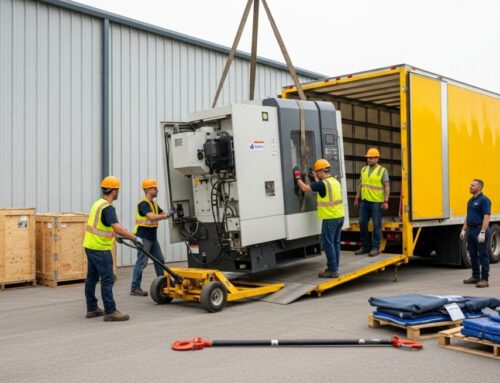
Expat Relocation Services for International Moves

Moving across borders is one of the most complex life transitions a person can undertake. Beyond the logistics of packing and shipping, international relocation involves navigating customs regulations, visa requirements, currency exchange, and cultural adjustments. For professionals and families making this leap, expat relocation services for international moves have evolved from a luxury into a necessity. These services do not just transport belongings; they orchestrate an entire ecosystem of support that ensures a smooth transition from one country to another. Understanding what these services include, how to choose the right provider, and what to expect can mean the difference between a stressful ordeal and a seamless global move.
What Defines Expat Relocation Services for International Moves
Expat relocation services are comprehensive solutions designed specifically for individuals and families moving to a new country for work, retirement, or lifestyle changes. Unlike standard moving companies that focus solely on transporting goods, international relocation services integrate logistics with human resources support, legal compliance, and cultural integration. These services typically begin with a consultation to assess the scope of the move, followed by a detailed plan that covers every phase from departure to settlement.
A key distinction of these services is their focus on the employee or family as a whole. Corporate relocation packages often include home-finding assistance, school searches for children, spousal career support, and even language training. The goal is to minimize downtime and ensure the expatriate can begin work or daily life with minimal disruption. For individuals arranging their own move, these services provide the same level of coordination but tailored to personal preferences and budget.
The scope of services can be broken down into several core categories. Each addresses a specific pain point of international moving, from the moment the decision to relocate is made through the final stages of settling in.
- Pre-move planning and consultation: Assessment of household goods, shipping method selection (air, sea, or land), and timeline creation.
- Visa and immigration support: Assistance with work permits, residency applications, and documentation for dependents.
- Destination services: Temporary housing, school enrollment, bank account setup, and utility connections.
- Cultural orientation: Briefings on local customs, etiquette, and practical tips for daily life in the new country.
- Ongoing support: Follow-up check-ins during the first months to address any issues or adjustments.
These categories highlight how expat relocation services extend far beyond moving boxes. The best providers treat each move as a unique project, assigning a dedicated relocation manager who coordinates all parties, from moving crews to immigration lawyers. This single point of contact reduces confusion and ensures that nothing falls through the cracks.
The Financial and Emotional Value of Professional Relocation Support
International moves carry substantial financial risk if not managed properly. Mistakes in customs documentation can lead to shipment holds, storage fees, or even confiscation of goods. Similarly, delays in visa processing can derail start dates for employment or school enrollment. Professional expat relocation services mitigate these risks through established protocols and relationships with local authorities. Providers maintain updated knowledge of changing regulations, which is invaluable in a landscape where trade agreements and immigration policies shift frequently.
Emotionally, the toll of international relocation cannot be overstated. Families often leave behind support networks, familiar routines, and trusted service providers. A comprehensive relocation package addresses this by offering orientation sessions that cover everything from grocery shopping to public transportation. For children, school placement services ensure continuity in education, which is often the top concern for parents. By handling the logistical burdens, these services free up mental and emotional energy for the family to focus on the excitement of a new adventure rather than the stress of logistics.
Cost is, of course, a major consideration. Many employers cover relocation expenses as part of an expatriate package, but individuals arranging their own move must weigh the investment against potential savings. While professional services add an upfront cost, they often save money in the long run by preventing costly errors. For example, improper packing of antiques or electronics can result in damage claims that far exceed the cost of professional crating. Additionally, volume discounts on shipping and temporary housing can offset service fees. When evaluating providers, ask for a detailed breakdown of costs and compare them against the value of peace of mind and time saved.
For those considering a full-service move, it is helpful to understand how these services integrate with other aspects of relocation. In our guide on commercial relocation services for businesses, we explain how corporate policies often dictate the scope of support for transferees. Understanding these dynamics can help you negotiate a better package or choose the right level of service for your needs.
How to Select the Right International Relocation Partner
Choosing a provider for expat relocation services requires careful evaluation. Not all companies offer the same level of expertise, and a provider that excels in one region may be weak in another. Start by verifying the company’s network and partnerships. A strong global presence with local agents in your destination country ensures that on-the-ground support is available when needed. Ask for references from clients who have moved to the same region, and review online testimonials for patterns of reliability or red flags.
Next, assess the range of services offered. Some providers specialize in corporate relocations and have relationships with HR departments, while others focus on individual moves. If you have specific needs such as pet transport, vehicle shipping, or handling of hazardous materials, confirm that the provider has experience with these items. Transparency about pricing is another critical factor. Reputable companies provide written estimates that outline all charges, including customs duties, storage fees, and insurance. Avoid providers that give vague quotes or pressure you into signing without full disclosure.
Insurance is a non-negotiable element of international moving. Standard coverage may not be sufficient for high-value items or for delays caused by customs. Ask about valuation options and whether the provider offers full replacement value insurance. Additionally, check if they have a claims process that is straightforward and responsive. A company that stands behind its service with robust insurance demonstrates confidence in its handling capabilities.

Finally, consider the cultural fit. A relocation consultant who understands your cultural background and the nuances of your destination can make the transition smoother. For example, moving from a Western country to Japan requires awareness of housing norms, garbage disposal rules, and social etiquette that a generic moving company might overlook. The best providers invest in cultural training for their staff and offer resources that go beyond the basic checklist.
Navigating Customs and Legal Requirements
One of the most daunting aspects of international relocation is customs clearance. Each country has its own regulations regarding what can be imported, duties payable, and documentation required. Expat relocation services typically include customs brokerage, where experts prepare and submit paperwork on your behalf. This service saves time and reduces the likelihood of errors that could result in fines or shipment delays.
Common customs issues include restrictions on food items, medications, plants, and certain electronics. Some countries require an inventory of all items, including serial numbers for electronics, before granting clearance. Professional relocation coordinators advise on what to declare and what to leave behind. They also coordinate with moving crews to ensure that packing lists match customs declarations. For high-value shipments, they can arrange for pre-clearance or bonded storage to expedite the process upon arrival.
Legal requirements extend beyond customs. Work visas, residency permits, and tax registrations must be secured before or shortly after arrival. Many relocation providers partner with immigration attorneys who specialize in the destination country’s laws. This partnership ensures that all paperwork is filed correctly and that deadlines are met. For families, school registration often requires proof of residency and visa status, which the relocation team can help obtain. By centralizing these tasks, the provider eliminates the need to navigate multiple government agencies independently.
Frequently Asked Questions
What is the typical timeline for an international relocation?
Most international moves take between 8 to 12 weeks from initial consultation to final delivery, depending on the destination and shipping method. Air freight is faster but more expensive, while sea freight is economical but takes longer. The timeline also depends on customs processing times, which can vary by country. Your relocation manager will provide a detailed schedule during the planning phase.
Are expat relocation services tax deductible?
For individuals, moving expenses are generally not tax deductible unless the move is job-related and meets distance and time tests. Some employers offer tax assistance as part of the relocation package. It is advisable to consult a tax professional familiar with international tax law to understand your specific situation.
How are belongings insured during an international move?
Insurance is typically offered at two levels: released value (minimal coverage based on weight) and full replacement value (covers repair or replacement of damaged items). Most experts recommend full replacement value coverage for international moves, especially for electronics, furniture, and personal valuables. Confirm whether the policy covers loss, damage, and delays.
Can I move my car or pet with expat relocation services?
Yes, many providers offer specialized services for vehicle shipping and pet transport. Vehicle shipping requires additional documentation and may involve quarantine periods in certain countries. Pet transport requires health certificates, vaccinations, and sometimes microchipping. Confirm that your provider has experience with these services and can coordinate with local authorities.
What happens if my shipment is delayed at customs?
Relocation providers typically have procedures in place to address customs delays, including communication with brokers and provision of additional documentation. Some offer storage services while waiting for clearance. The best practice is to maintain open communication with your relocation manager and have contingency plans for essential items, such as a suitcase with immediate necessities.
Planning an international move requires careful consideration of many factors. One often overlooked aspect is securing transportation for your personal vehicle once you arrive. For reliable options, you can explore auto financing solutions that help you get a car quickly after relocating, which is especially important in areas with limited public transit.
Expat relocation services for international moves represent a strategic investment in the success of a global transition. By partnering with experienced professionals, individuals and families can reduce stress, avoid costly mistakes, and accelerate their integration into a new country. The right provider acts as a partner throughout the journey, from the first planning meeting to the final settling-in check. Whether you are moving for a corporate assignment or personal adventure, comprehensive relocation support transforms a daunting challenge into a manageable and even enjoyable experience.