Custom Crating for Art Antiques Moving: A Guide
Moving a treasured painting or a fragile antique furniture piece is a moment of high anxiety. Standard moving boxes and bubble wrap simply cannot protect a 19th century oil painting or a delicate porcelain vase from the shocks of a long distance journey. This is where specialized services become essential. Custom crating for art antiques moving provides a tailored protective shell that surrounds each unique item, ensuring it arrives at your new home in the same condition as when it left. At Moving.Homes, we understand that your collection is more than just property. It is a part of your history. Our approach combines expert craftsmanship with professional logistics to eliminate the guesswork and stress from transporting high value items.
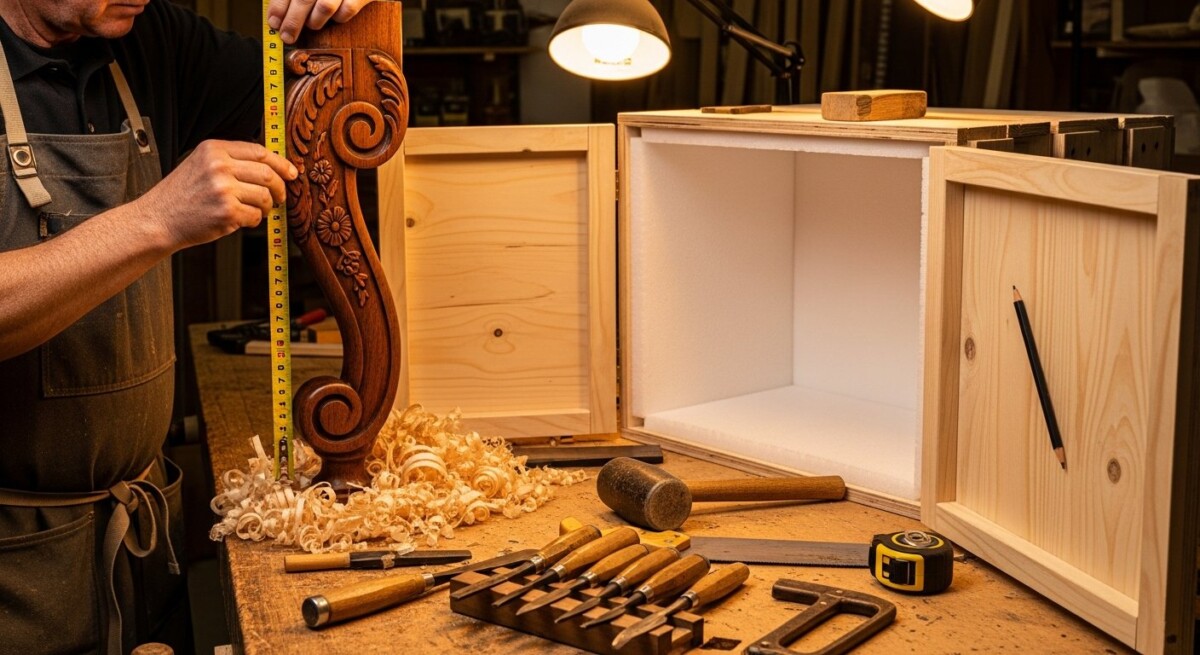
Many people assume that any moving company can handle antiques. The reality is very different. Without a purpose built crate, an antique table leg can snap during a sharp turn. A canvas can be punctured by shifting loads. These are not risks you want to take. Custom crating for art antiques moving involves measuring every curve and protrusion of the object, then building a wooden frame that cradles it securely. The crate is lined with soft materials that prevent abrasion and movement. This level of detail requires skilled carpenters and experienced movers who treat each piece with the respect it deserves. When you invest in this service, you invest in peace of mind.
Why Standard Packing Falls Short for Fine Art and Antiques
Standard packing materials are designed for general household goods. A cardboard box and some foam peanuts work fine for a stack of books or kitchen plates. However, they fail completely when faced with irregular shapes, delicate surfaces, or items with protruding elements. An antique chair with carved finials cannot simply be wrapped in paper. The finials would snap off under the pressure of the tape. A large canvas painting needs a rigid frame to prevent flexing. If the canvas flexes during transit, the paint layer can crack or delaminate. These are irreversible damages that reduce both the aesthetic and monetary value of your piece.
Custom crating for art antiques moving solves these problems by creating a bespoke environment for each item. The crate acts as a miniature fortress. It absorbs impacts from bumps and drops. It also protects against moisture and temperature changes. Professional crates are often built with plywood or oriented strand board (OSB) and feature reinforced corners. The interior is fitted with cushioning materials like polyethylene foam or Ethafoam that conform to the object’s shape. This method holds the item in suspension, preventing it from touching the hard outer shell. This is the standard used by museums and galleries worldwide. By choosing this level of care, you replicate that museum grade protection for your personal move.
Another critical factor is the handling of the crate itself. A custom crate is designed with specific grip points and markings that tell movers exactly how to lift and carry it. This reduces the chance of mishandling. Combined with the services we offer at In House Movers: The Smart Solution for Small Moves and Furniture Shifting, which focuses on careful handling for smaller items, you can see how a comprehensive approach to moving starts with proper containment. The crate becomes the single source of truth for the safe transport of your valuable possession.
The Custom Crating Process: From Assessment to Delivery
Step 1: On Site Assessment and Measurement
The first step in custom crating for art antiques moving is a thorough assessment. A trained specialist visits your home to inspect each item that requires special handling. They note the dimensions, weight, material, and any fragile points. For a painting, they check the condition of the frame and canvas. For a sculpture, they identify the most vulnerable areas. This assessment informs the design of the crate. The specialist also discusses your timeline and any special requirements, such as climate control or horizontal versus vertical transport.
Step 2: Crate Design and Construction
Once the assessment is complete, the crate is designed and built. This is a precise process. The carpenter cuts the wood panels to size, ensuring a snug fit around the object. They add internal bracing and foam supports that match the contours of the item. The crate is built slightly larger than the object to allow for a thick layer of cushioning. The exterior is marked with handling instructions, arrows indicating which side is up, and any other relevant information. The entire construction is done with the specific item in mind. There is no one size fits all approach here.
Step 3: Cushioning and Securing
Before the item is placed inside the crate, a base layer of cushioning is laid down. The item is then carefully positioned and wrapped in multiple layers of protective material. Additional foam blocks are placed around the sides and top. The goal is to immobilize the object completely. Any movement inside the crate can cause damage. The cushioning must be firm enough to hold the item in place but soft enough to absorb shock. This balance is achieved through experience and the use of high quality materials. The crate is then sealed and strapped securely.
Step 4: Transport and Delivery
Finally, the crated item is loaded onto the moving truck. It is positioned in a stable location, often secured with straps to prevent shifting. The truck itself may be climate controlled to protect against extreme temperatures. At the destination, the crate is unloaded and the item is uncrated. The specialist inspects it again for any signs of damage. This final check provides documentation and assurance. The entire process is designed to be seamless, allowing you to focus on settling into your new home.
Key Benefits of Professional Custom Crating
Investing in professional custom crating for art antiques moving offers several distinct advantages. It is not just about protection. It also affects insurance, logistics, and your overall stress level. Here are the primary benefits:

- Superior protection against impact and vibration: The rigid wooden shell and custom foam interior absorb shocks that would otherwise transfer directly to the item.
- Protection from environmental factors: Sealed crates guard against moisture, dust, and temperature fluctuations during transit.
- Improved insurance coverage: Most moving insurance policies require professional crating for high value items. Custom crates meet these requirements, ensuring your claim is valid if something goes wrong.
- Efficient handling and logistics: Crates are designed for easy lifting, stacking, and maneuvering. This speeds up the loading and unloading process.
- Reduced risk of theft or tampering: Sealed crates with tamper evident seals provide an additional layer of security.
Each of these benefits contributes to a smoother moving experience. You do not have to worry about whether your grandmother’s china cabinet will survive the trip. The crate handles that worry for you. This allows you to direct your energy toward other aspects of the move, such as setting up utilities or unpacking your everyday items.
Selecting the Right Moving Partner for Your Antiques
Not all moving companies offer true custom crating. Some may offer a generic service that uses prefabricated crates or heavy wrapping. True custom crating for art antiques moving requires a company with dedicated carpentry skills and a deep understanding of art handling. When you evaluate potential movers, ask specific questions. Do they have an in house crating team? Can they provide references from clients who moved similar items? What materials do they use? A reputable company will be transparent about their process. They will also offer a detailed quote that includes the cost of materials and labor for the crates.
Moving.Homes partners with skilled professionals who specialize in this niche. We ensure that every crate is built to the highest standards. We also coordinate the logistics so that your items are handled with care from start to finish. Whether you are moving across town or across the country, our team provides the expertise needed to protect your valuable collection. For those looking for more information on how to manage the financial side of a move, getting pre approved for financing can help you budget for premium services like custom crating without straining your cash flow.
Frequently Asked Questions
How much does custom crating cost?
Costs vary based on the size and complexity of the item. A small painting may cost between $100 and $300 to crate. A large antique armoire could cost $500 or more. The investment is proportional to the value of the item and the level of protection required. Always request a detailed quote before agreeing to the service.
Can I reuse a custom crate?
Yes, many custom crates are designed for reuse. They are built to be durable and can be disassembled or stored for future moves. However, the foam inserts are custom fitted to the specific item. If you move the same item again, the crate can be reused with the same foam. If you sell the item, you can pass the crate along to the new owner.
What items require custom crating?
Any item that is fragile, irregularly shaped, or of high value benefits from custom crating. Common examples include oil paintings, antique furniture, chandeliers, sculptures, mirrors, and musical instruments. If you are unsure, consult with a moving specialist. They can assess the risk and recommend the appropriate level of protection.
Does insurance cover items in custom crates?
Most moving insurance policies offer better coverage for items that are professionally crated. Some policies require crating for items above a certain declared value. Always check your policy details. Professional crating does not guarantee against all damage, but it significantly reduces the risk and strengthens your insurance position.
How far in advance should I schedule custom crating?
You should schedule custom crating at least two to three weeks before your move date. This gives the moving company time to perform the assessment, build the crates, and coordinate the logistics. Last minute requests may incur additional fees or may not be available depending on the workload.
Moving your art and antiques does not have to be a source of sleepless nights. Custom crating for art antiques moving provides the specialized protection that your most valued possessions deserve. By working with a professional team that understands the intricacies of art handling, you ensure that your collection arrives safely and intact. Take the time to plan ahead, ask the right questions, and invest in the services that protect your legacy. Your future self will thank you when you see your treasured pieces perfectly placed in your new home.