In House Movers: The Smart Solution for Small Moves and Furniture Shifting
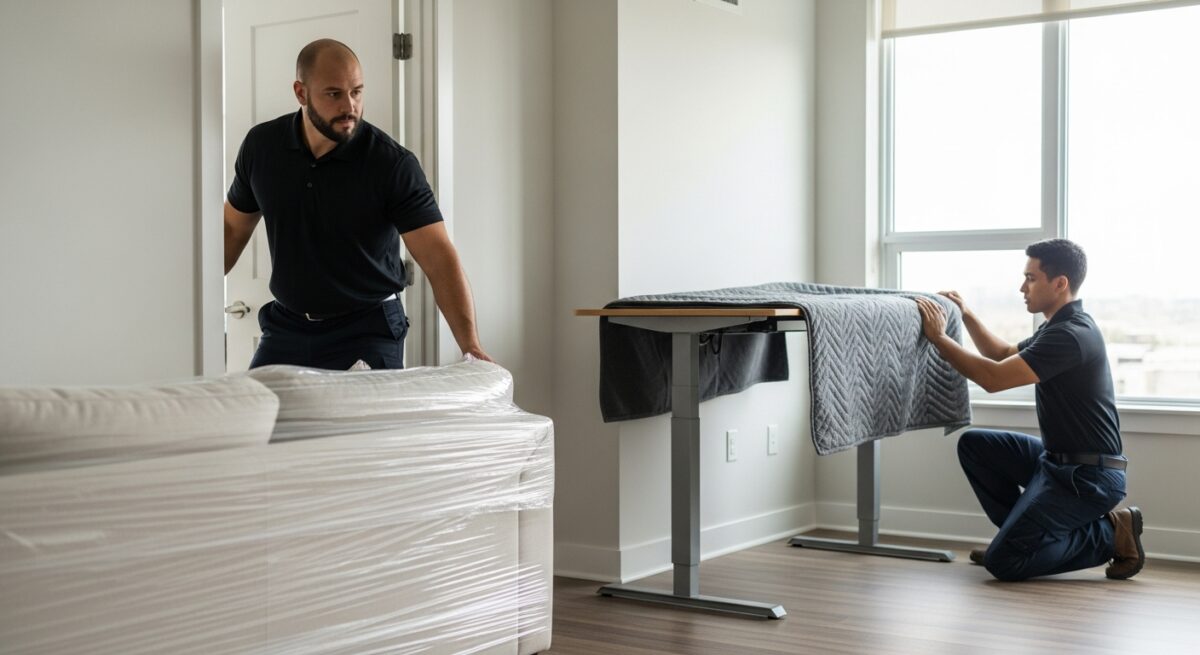
You have a new sofa arriving, but your old one needs to go. You’re moving to a smaller apartment just across town and only have a handful of bulky items to transport. You need to rearrange your home office to accommodate a new standing desk. These are the moments when the traditional full-service moving truck feels like overkill, yet the task is too heavy, complex, or risky for you and a friend to handle alone. This is precisely where the specialized service of in house movers, also known as in home movers, becomes not just a convenience, but a strategic necessity. These professionals are the unsung heroes of the partial move, offering muscle, expertise, and efficiency for the jobs that fall between a full relocation and a simple DIY task.
What Are In House Movers and When Do You Need Them?
In house movers are professional moving crews specifically equipped and trained for small-scale, localized moving tasks. Unlike a full-service moving company that arrives with a massive truck to pack and transport an entire household, in home movers focus on discrete, often single-room or single-item jobs. Their services are defined by flexibility, hourly billing, and a focus on the physical labor of lifting, carrying, and positioning. The core distinction is one of scope and scale. A full-service move addresses everything from your spoons to your sofa over long distances. An in house move addresses your sofa, your piano, or your bedroom set within the same home, to a nearby location, or from a store to your living room.
Understanding when to call them can save you significant time, money, and physical strain. The most common scenarios include furniture delivery and placement from a retailer, where you need experts to bring the item inside, unpack it, assemble it if necessary, and remove all packaging. Another prime situation is a local, small-scale residential move, perhaps from a studio to a one-bedroom apartment within the same city, where you’ve handled the packing but require professional muscle for the heavy lifting and transportation. In home movers are also ideal for interior reconfiguration, such as shifting furniture between rooms, moving a heavy safe or treadmill to a basement, or rearranging a living space. They are the go-to solution for handling single high-value or fragile items like pianos, pool tables, antiques, or large artwork that require specialized moving techniques. Finally, they are perfect for the logistical tasks of moving items into or out of storage units, where you need efficient loading and unloading without the overhead of a cross-country move.
The Tangible Benefits of Hiring Specialized In Home Movers
Choosing a dedicated service for small moves and furniture shifting offers a suite of advantages that go beyond simply having someone else do the heavy lifting. The first and most compelling benefit is cost-effectiveness. Since these services typically charge by the hour with a minimum (often two hours), you only pay for the labor you actually use. This contrasts sharply with the large, flat-rate or weight-based quotes of full-service movers, which are structured for entire home contents. For a job that might take three hours, the savings can be substantial. This model provides excellent budget predictability.
The second major advantage is risk mitigation. Professional in house movers are insured for the work they do. This means if a valuable piece of furniture is damaged during the move, their liability coverage may apply, a protection you simply do not have when relying on friends or doing it yourself. Furthermore, these movers are trained in proper lifting techniques and use equipment like furniture dollies, shoulder dollies, moving blankets, and straps. This dramatically reduces the risk of personal injury to you, your friends, or your family, and prevents damage to your items, your flooring, and your doorframes. The efficiency they bring is another key benefit. A team of two or three professionals can accomplish in one hour what might take an inexperienced group half a day. They know how to navigate tight stairwells, pivot large items through doorways, and secure loads in trucks safely. This expertise translates directly into time saved and frustration avoided.
Perhaps the most underrated benefit is the sheer convenience and reduction of physical and mental stress. You avoid the logistical headache of recruiting help, renting a truck, and returning it. The mental load of planning the move shifts from you to the professionals. You can focus on other aspects of your project while trained individuals handle the physically demanding and technically challenging parts. This peace of mind is a significant value proposition.
How to Choose the Right In House Moving Service
Not all moving services that offer “small moves” are created equal. Selecting the right provider requires a bit of due diligence to ensure a smooth, professional experience. Your first step should always be to verify licensing and insurance. For interstate moves, the company must have a USDOT number. For local moves, requirements vary by state, but a reputable company will be properly registered and insured. Always ask for proof of insurance and understand what it covers. The next critical step is to read reviews and check reputation. Look beyond the overall star rating on platforms like Google, Yelp, or the Better Business Bureau. Read the content of recent reviews, specifically looking for mentions of small moves, punctuality, care with furniture, and professionalism of the crew.
When you contact companies for estimates, be as detailed as possible. Describe each item to be moved (e.g., “queen-size mattress and frame,” “upright piano,” “large sectional sofa”), note any access challenges (stairs, narrow hallways, elevator size), and specify the exact locations (from and to). A trustworthy company will ask these questions. Be wary of quotes given over the phone without these details; an in-person or video survey is ideal for accuracy. Understand the pricing structure completely. Is it a flat rate for the job or an hourly rate? What is the minimum charge? How are travel time or fuel fees handled? Are there extra charges for stairs, heavy items, or long carry distances? Get all this in writing. Finally, ask about the crew and equipment. Will they send a dedicated two-person team experienced in furniture handling? Do they provide moving blankets, straps, and a dolly? A “yes” to these questions indicates a professional operation.
Preparing for Your In House Movers: A Checklist for Success
To maximize the efficiency of your hired help and ensure your items are moved safely, proper preparation is key. A well-prepared client enables the movers to work quickly and effectively, which can keep your costs down if you’re on an hourly rate. Follow this checklist in the days and hours before your scheduled move.
- Clear the Path: Create a clear, unobstructed pathway from the item’s starting point to the truck and from the truck to its final destination. Remove rugs, floor lamps, small furniture, and any clutter. Secure pets in another room.
- Disassemble What You Can: If you are comfortable doing so, disassemble furniture like bed frames, table legs, or shelving units. Keep all screws, bolts, and tools in a labeled plastic bag taped to the furniture piece.
- Empty All Furniture: Completely empty desks, dressers, bookshelves, and cabinets. Moving furniture with contents inside makes it much heavier and risks damage to the structure and your belongings.
- Protect Your Floors and Walls: While movers will use blankets, you can lay down old sheets or cardboard in high-traffic areas. Consider using corner guards on walls if you’re very concerned.
- Have a Plan for Placement: Know exactly where you want each item to go in the new location. Use painter’s tape on the floor to mark the footprint of large items to avoid indecision when the movers arrive.
- Have Payment Ready: Confirm the accepted payment methods (cash, credit card, etc.) in advance and have it ready for the end of the job. Also, have cash on hand for a tip for the crew, which is customary for good service (typically $20-$40 per person).
By completing these steps, you transform the moving day from a chaotic scramble into a streamlined operation. The movers can focus on their specialized skill, lifting and transporting, rather than on clearing space or waiting for you to decide where the couch should go. This preparation demonstrates respect for their time and directly contributes to a faster, smoother job. For a broader look at planning such services, our guide on in home moving services for small moves offers additional strategic insights.
Cost Considerations and How to Budget for a Small Move
The cost of hiring in house movers is variable, but understanding the factors at play allows for accurate budgeting. The primary pricing model is an hourly rate, which typically ranges from $80 to $150 per hour for a two-person team, with a two-hour minimum being standard. The total hourly cost depends heavily on your geographic location, with major metropolitan areas commanding higher rates. The final bill is a product of the hourly rate multiplied by the time taken, plus any additional fees.
Several key factors influence how long the job will take and what extra costs may apply. The number, size, and weight of items are obvious drivers. A grand piano will take far more time and specialized care than a bookshelf. Travel time between locations is almost always billed, either as a separate fee or as part of the hourly clock. Complex access issues like multiple flights of stairs, narrow stairwells, small elevators, or long walks from the truck to the door will add time and may incur a per-flight or per-item stair fee. The need for special equipment, such as a piano board or extra-heavy-duty dolly, might also affect the quote. Finally, the day of the week and time of year matter. Weekend moves and moves during peak season (summer months, end of the month) may have higher rates.
To budget effectively, get detailed written estimates from at least three companies. Be transparent about all challenges. Ask if the quote is binding or if the hourly rate is an estimate with a not-to-exceed ceiling. Factor in the cost of a tip for the crew (15-20% of the total labor cost is a good guideline). Remember, the cheapest option is not always the best. A slightly higher hourly rate from a more efficient, better-equipped team may result in a lower total bill if they complete the job in half the time. When you’re ready to start comparing costs from vetted providers, you can get a free moving quote to help inform your budgeting process.
Frequently Asked Questions About In House Moving Services
Q: What’s the difference between “in house movers” and “full-service movers”?
A: In house movers (or in home movers) specialize in small-scale, localized labor. They focus on the physical moving of items you’ve already prepared, often charging by the hour. Full-service movers handle entire household relocations, including packing, loading, long-distance transportation, unloading, and unpacking, typically charging by weight or volume and distance.
Q: Do I need to tip in house movers?
A: Yes, tipping is customary and appreciated for good service, similar to other service industries. A standard tip is $20-$40 per mover for a half-day job, or 15-20% of the total labor cost. Tip in cash at the end of the job if possible.
Q: Should I disassemble my furniture before they arrive?
A: It’s helpful if you are able to do so safely, but it’s not always required. Discuss this during the estimate. Professional movers can disassemble and reassemble standard furniture, but this will add time to the job (and cost if hourly). If you do disassemble, keep all hardware organized and attached to the piece.
Q: What if an item gets damaged during the move?
A: Reputable, insured companies have procedures for this. Immediately note any damage on the mover’s copy of the bill of lading or work order before the crew leaves. Then, contact the company’s office to file a formal claim. This is why verifying insurance before hiring is crucial.
Q: Can they move my items into a storage unit?
A: Absolutely. This is a common service. They will load your items at your home, transport them to the storage facility, and unload them into the unit. You may need to meet them at the storage facility to provide access.
Navigating a small move or a significant furniture shift doesn’t have to be a source of dread or a physical ordeal. By recognizing the value of specialized in house movers, you gain access to a resource that combines efficiency, safety, and expertise tailored for the task at hand. This approach allows you to manage your transition, whether it’s a new home layout or a new residence, with confidence and control. The investment in professional help for these specific jobs often pays for itself in saved time, avoided injury, and preserved property, turning a potentially stressful project into a smoothly executed plan.