

Coast to Coast Moving Companies and Services: A 2026 Guide
Get a free quote from trusted coast to coast movers. Call us at (833) 762-3578 for a stress-free long distance move.

By Megan Hall
Planning a move from one side of the country to the other is a major life event, one that brings both excitement and a fair share of stress. The sheer distance, the logistics, and the emotional weight of leaving one home for another can feel overwhelming. That is why choosing the right coast to coast moving companies and services is the single most important decision you will make. A dependable long distance moving partner does more than just transport boxes; they manage the complex journey of your belongings, provide crucial peace of mind, and help you start your new chapter on the right foot. In this guide, we will break down everything you need to know about selecting, working with, and getting the most value from a professional moving company for your cross-country relocation.
Cross-country moves are fundamentally different from local ones. They involve intricate logistics, longer timelines, and a higher level of coordination. This guide will walk you through the process, from understanding what services are available to preparing your home for the big day. We will also share practical tips on how to protect your budget and your belongings, ensuring your coast-to-coast move is as smooth and stress-free as possible. Whether you are moving for a new job, to be closer to family, or simply for a change of scenery, having a clear plan and the right team in your corner makes all the difference.
Understanding Coast to Coast Moving Services
When you start researching moving companies coast to coast, you will quickly find that they offer a variety of service levels. The most basic option is a transportation-only service, where you handle all the packing, loading, and unloading, and the company simply drives your belongings from point A to point B. This is the most cost-effective choice, but it requires significant physical effort and coordination on your end. You will need to rent or purchase packing supplies, carefully pack every item, and arrange for help with loading and unloading at both ends of the move.
For many people, a more comprehensive service is well worth the investment. Full-service moving companies handle nearly every aspect of your move. This typically includes a professional packing team that uses high-quality materials to protect your furniture, electronics, and fragile items. They will also disassemble and reassemble furniture, wrap mattresses and sofas in protective covers, and ensure everything is securely loaded into the moving truck. At your new home, they will unload, unpack, and place items in the rooms where you want them, and they can even remove all the packing debris. This level of service dramatically reduces your stress and physical workload, allowing you to focus on settling in and getting acclimated to your new city.
Between these two extremes, there are also hybrid options. You might hire a moving company for packing services only, or you might pack everything yourself and just have them handle the loading and transportation. Some companies also offer specialized services for items that require extra care, such as pianos, artwork, and antiques. Understanding these different tiers of service is essential because it allows you to tailor your move to your specific needs and budget. When you request quotes, be clear about the level of involvement you expect so you can get accurate price comparisons from different long distance moving services.
Key Benefits of Hiring Professional Long Distance Movers
Hiring professional coast to coast moving companies and services offers a multitude of benefits that go far beyond simply having someone else lift heavy boxes. The most immediate advantage is the significant reduction in stress and physical strain. Moving an entire household is a physically demanding task, and doing it yourself over a long distance adds the pressure of driving a large truck, navigating unfamiliar routes, and managing tight deadlines. Professional movers bring the necessary experience, equipment, and manpower to handle the job efficiently and safely, protecting your back and your belongings.
Another critical benefit is the protection and insurance coverage that comes with a licensed and insured moving company. Reputable movers offer various levels of liability coverage to protect your items in the unlikely event of damage or loss. This is something you simply cannot get when you rent a truck and move yourself. Your homeowner's or renter's insurance may offer minimal coverage at best, but it rarely covers the full value of your belongings during a move. Professional movers also have the training to handle fragile and valuable items properly, using specialized packing materials and techniques to minimize the risk of damage. This peace of mind is invaluable, especially when you are moving irreplaceable items like family heirlooms or expensive electronics.
Finally, professional movers bring a level of efficiency and organization that is hard to replicate on your own. They have a systematic process for packing, loading, and transportation that ensures your items arrive safely and on time. They know how to maximize space in the truck, which can reduce the number of trips or even the size of the vehicle needed, potentially saving you money. Their experience with long distance routes also means they can anticipate and navigate potential delays, such as weather or traffic, more effectively. This efficiency saves you valuable time and energy, allowing you to focus on other aspects of your relocation, like setting up utilities, changing your address, and saying goodbye to friends and family.
How to Choose the Right Moving Company
Selecting the right mover from the many moving companies coast to coast is a process that requires careful research and due diligence. The first step is to get multiple in-home or virtual surveys from at least three different companies. This allows the movers to see your belongings and provide a more accurate estimate than a phone or online quote. Be wary of any company that gives you a price over the phone without asking detailed questions about your inventory. A reputable mover will also be able to explain the difference between a binding and a non-binding estimate, and they should encourage you to ask questions about their process.
Once you have your estimates, it is time to verify the credentials of each company. Check that they are properly licensed and insured at the federal level. The Federal Motor Carrier Safety Administration (FMCSA) requires all interstate moving companies to have a USDOT number, and you can look up this number on the FMCSA website to see their safety record and complaint history. It is also wise to check their reviews on platforms like the Better Business Bureau, Google, and Yelp, but remember to read them with a critical eye. A few negative reviews among a sea of positive ones is not necessarily a red flag, but a pattern of complaints about the same issues, such as damage, late delivery, or hidden fees, should be a serious warning sign.
Finally, trust your instincts. A good moving company will be transparent, professional, and willing to answer all your questions. They will not pressure you into signing a contract on the spot, and they will be clear about their payment terms. They will also provide you with a copy of their "Your Rights and Responsibilities When You Move" booklet, which is required by federal law. This booklet outlines your rights as a consumer and is a good indicator that the company is following the rules. Here are some key questions to ask during your research:
- Can you provide a written, binding estimate based on a visual survey of my belongings?
- What is your process for handling claims for damaged or lost items?
- Do you offer a guaranteed delivery date, or is it estimated?
- How do you handle valuables, fragile items, and specialty items like pianos or art?
- Are your movers background-checked and trained specifically for long distance moves?
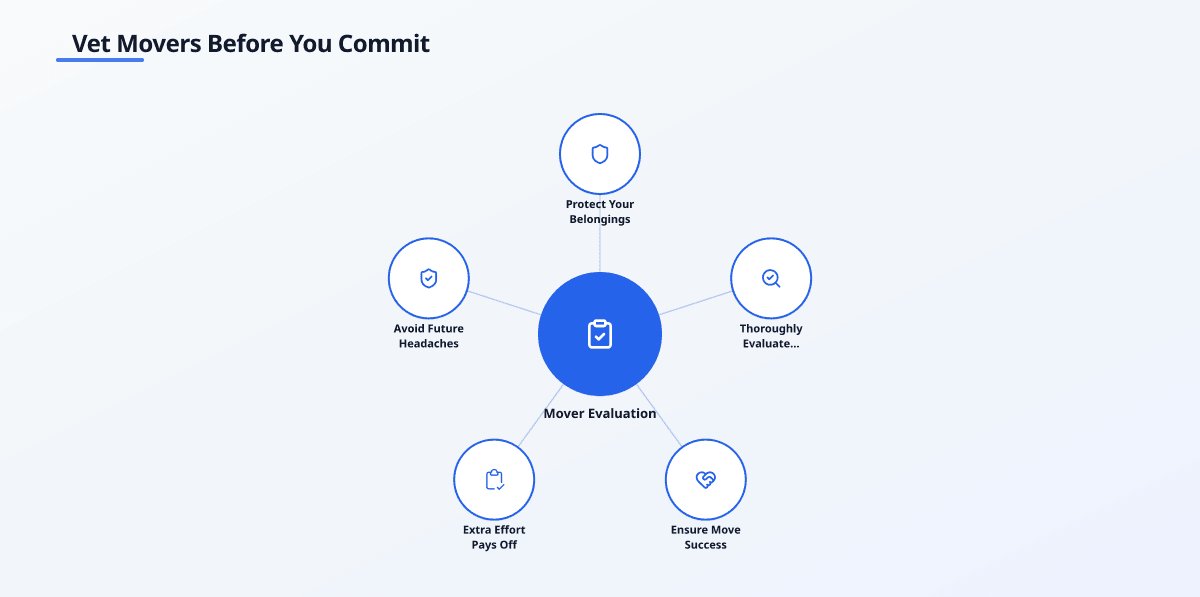
Taking the time to thoroughly evaluate potential movers is an investment in the safety of your belongings and the success of your move. A little bit of extra effort at this stage can save you from a world of headaches later on.
The Cost of Coast to Coast Moving: What to Expect
The cost of a coast-to-coast move can vary widely, and understanding the factors that influence the price can help you budget effectively and avoid surprises. The most significant cost drivers are the distance of your move, the total weight of your shipment, and the level of service you choose. Movers typically base their price on an estimated weight and distance, and they multiply that by a per-mile or per-pound rate. Additional services, such as packing, unpacking, storage, and handling bulky or odd-sized items, will add to the total cost. It is important to get a detailed, written estimate that breaks down all these charges so you know exactly what you are paying for.
Another important cost consideration is the time of year. Peak moving season, which runs from late spring to early fall, is the busiest and most expensive time to move. If you have flexibility, consider scheduling your move during the off-season, typically from October to April, to potentially secure a lower rate. Also, the day of the week can affect the price. Moving on weekdays is often cheaper than moving on weekends. Being flexible with your dates can save you a significant amount of money. Finally, always ask about any potential additional fees, such as charges for stairs, long carries, or shuttle services if the moving truck cannot get close to your home. A reputable company will inform you of these potential costs upfront, but it never hurts to ask.
To get the most value, it is not just about finding the lowest price. It is about finding a balance between cost and quality. The cheapest quote is not always the best deal, just as the most expensive one is not always the most reliable. In our guide on coast to coast moving, we explain how to evaluate quotes and choose a mover that offers fair pricing without sacrificing service. Look for a company that offers guaranteed pricing, which means they stand behind their estimate and will not hit you with hidden fees at delivery. This financial predictability can greatly reduce the anxiety associated with a long distance move.
Packing Tips for a Long Distance Move
Proper packing is the foundation of a successful long distance move. It protects your belongings during the long journey and makes the unpacking process at your new home far more manageable. If you are packing yourself, start early and pack room by room. Use sturdy boxes in various sizes, and always fill them completely to prevent items from shifting during transport. Use a generous amount of packing paper, bubble wrap, and other cushioning materials for fragile items. Label each box with its contents and the room it belongs to, and consider numbering your boxes and keeping an inventory list. This will make it much easier to track your items and ensure nothing gets misplaced.
For valuable and fragile items, such as artwork, antiques, and electronics, consider using the professional packing services offered by your moving company. Professional packers have the training and materials to handle these items with the utmost care. They use specialized boxes and crating to protect them from damage, and they often provide additional insurance coverage for these high-value items. For example, custom crating is often recommended for large or delicate items like a grand piano or a large sculpture. This is a service that Moving.Homes offers, and it can provide an extra layer of protection that is well worth the investment for items of significant monetary or sentimental value.
Creating a detailed inventory of your belongings is a crucial step that many people overlook. This list, which you can create on paper or using a digital app, should include every item you are moving, along with its condition and estimated value. This inventory serves several purposes: it helps you keep track of everything during the move, it helps the movers provide an accurate weight-based estimate, and it is essential if you need to file an insurance claim for any damage that occurs. Take photos of high-value items before they are packed, and keep this documentation in a safe place. This proactive approach will save you a great deal of stress and hassle if any issues arise.
Preparing for Moving Day
As your moving day approaches, there are several key steps you should take to ensure everything goes smoothly. First, confirm the details with your moving company a few days in advance. Confirm the arrival time, the number of movers, and any specific instructions about parking or building access. Make sure you have a clear plan for the movers to follow, including which rooms to pack and load first. It is also important to prepare a "survival kit" with essentials you will need immediately at your new home, such as toiletries, a change of clothes, important documents, medications, and basic tools. This kit should travel with you, not in the moving truck, so you have easy access to it upon arrival.
On moving day, be present and available to answer questions from the movers. Walk through your home with the foreman to confirm the inventory list and point out any items that require special attention. Keep all important personal documents, such as passports, birth certificates, and financial records, with you at all times. Do not pack these items in the moving truck. Also, keep cash, jewelry, and other valuables with you. Clear a path for the movers and make sure they have access to all areas of your home. Once the truck is loaded, do a final walkthrough to ensure everything is out and nothing has been left behind.
Before the movers leave, conduct a final inspection of the truck. Confirm that the doors are sealed properly and that the driver has all the necessary paperwork. Get the driver's contact information and the dispatch number for the moving company. Finally, ask about the delivery process. When will your belongings arrive? How will the company contact you to schedule the delivery? Having this information will give you peace of mind during the waiting period. Once you arrive at your new home, be there to receive the shipment and walk through the house with the movers as they unload. Inspect each item for damage as it is unloaded and note any issues on the bill of lading before you sign it.
In conclusion, a successful coast-to-coast move is a blend of careful planning, diligent research, and the right professional support. By understanding the services available, knowing what to look for in a moving company, and preparing thoroughly for the big day, you can turn a potentially stressful experience into a well-managed process. The right moving partner will handle the heavy lifting, literally and figuratively, allowing you to focus on the excitement of your new adventure. Remember to protect your investment by choosing a company that offers guaranteed pricing and comprehensive insurance, and always trust your instincts. With the right team and a solid plan, you can relax, enjoy the journey, and look forward to making your new house a home.